




Emergency Accommodation Survey Proposed
A proposed survey of homeless people who have experienced emergency accommodation aims to identify the difficulties inherent in using the service and explore why some people feel safer sleeping on the streets.
A proposed survey of homeless people who have experienced emergency accommodation aims to identify the difficulties inherent in using the service and explore why some people feel safer sleeping on the streets.

In this week’s reflection, Kevin Hargaden considers the well-loved parable of the Prodigal Son and wonders if we really know it as well as we think. The tale, like many others in the Bible, offers no hard and fast answers and is more likely to perplex than clarify.

The worth of the Lenten season would be increased if we could make the connection between the refugee God we seek to know better and the refugee neighbour we probably do not know at all, says theologian Kevin Hargaden in this week’s reflection.
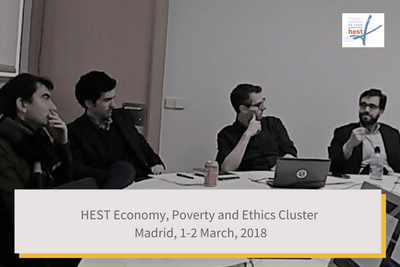
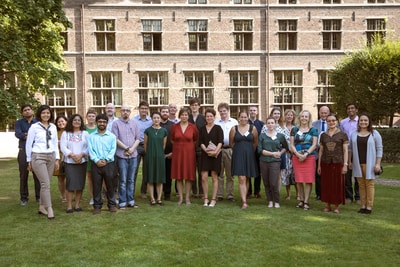
JCFJ Social Theologian, Dr Kevin Hargaden participated in the third round of meetings for the Higher Education for Social Transformation (HEST) initiative. The HEST Economy, Poverty and Ethics Cluster Update took place in Madrid, on 1-2 March, 2018.
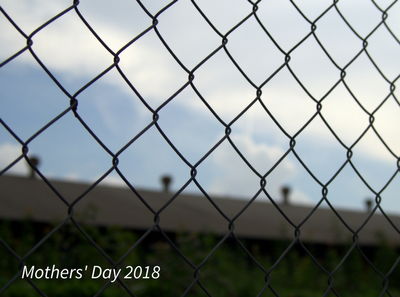
This Mothers’ Day, we think of mothers who have partners in prison. The families of individuals who are in prison have done nothing wrong, yet experience massive hardship as a result, including shame, isolation and for children, the trauma of separation from a parent.
The Shock of Exile is the theme of this week’s Lenten Reflection by our social theologian, Dr Kevin Hargaden, where he explores the anguish of exile as told in the Bible and how it is mirrored in the current housing crisis.

This week’s Lenten Reflection looks at Exodus and the Israelites in the desert to explore how the search for home sometimes leaves us discontented, regardless of how good our circumstances are.

The second week of our Lenten Reflections series is called The Risk of Leaving our Father’s Home and looks at the unreality of a housing system dedicated to profit, not shelter.

The first in our Lenten Reflections series, by social theologian Dr Kevin Hargaden invites us to ponder our own existential homelessness.
The introduction to our 2018 Lenten Reflections series, by Dr Kevin Hargaden asks that as we spiritually prepare ourselves for the celebration of Easter, we do not express our spirituality as a withdrawal from the complexities of our life into some imagined, hidden, private space where we can feel things are simple again.

The ‘Republic of Opportunity’ that Leo Varadkar spoke about on the occasion of his election as Taoiseach is not evident for young people, says James Doorley, in the latest edition of Working Notes.

Mental health is the number one health concern for young people in Ireland. This may be related to the intensity and vulnerability of youth, says Dr Tony Bates, of youth organisation Jigsaw, in our latest edition of Working Notes.
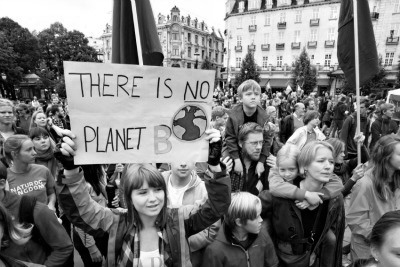
In the latest edition of Working Notes, Catherine Devitt explores how the imminent global threats of climate change and environmental degradation will affect the future of Ireland’s young adults, and the importance of education and policy-making in helping to mitigate the worst effects.

Trinity Centre for Urban and Regional Studies in association with The Jesuit Centre for Faith and Justice invites you to the symposium ‘Housing in Ireland: Philosophy, Policies and Results’.

Dr Kevin Hargaden explores the topic of media bias, and its hidden benefits. This article appeared originally in the November 2017 edition of The Sacred Heart Messenger.
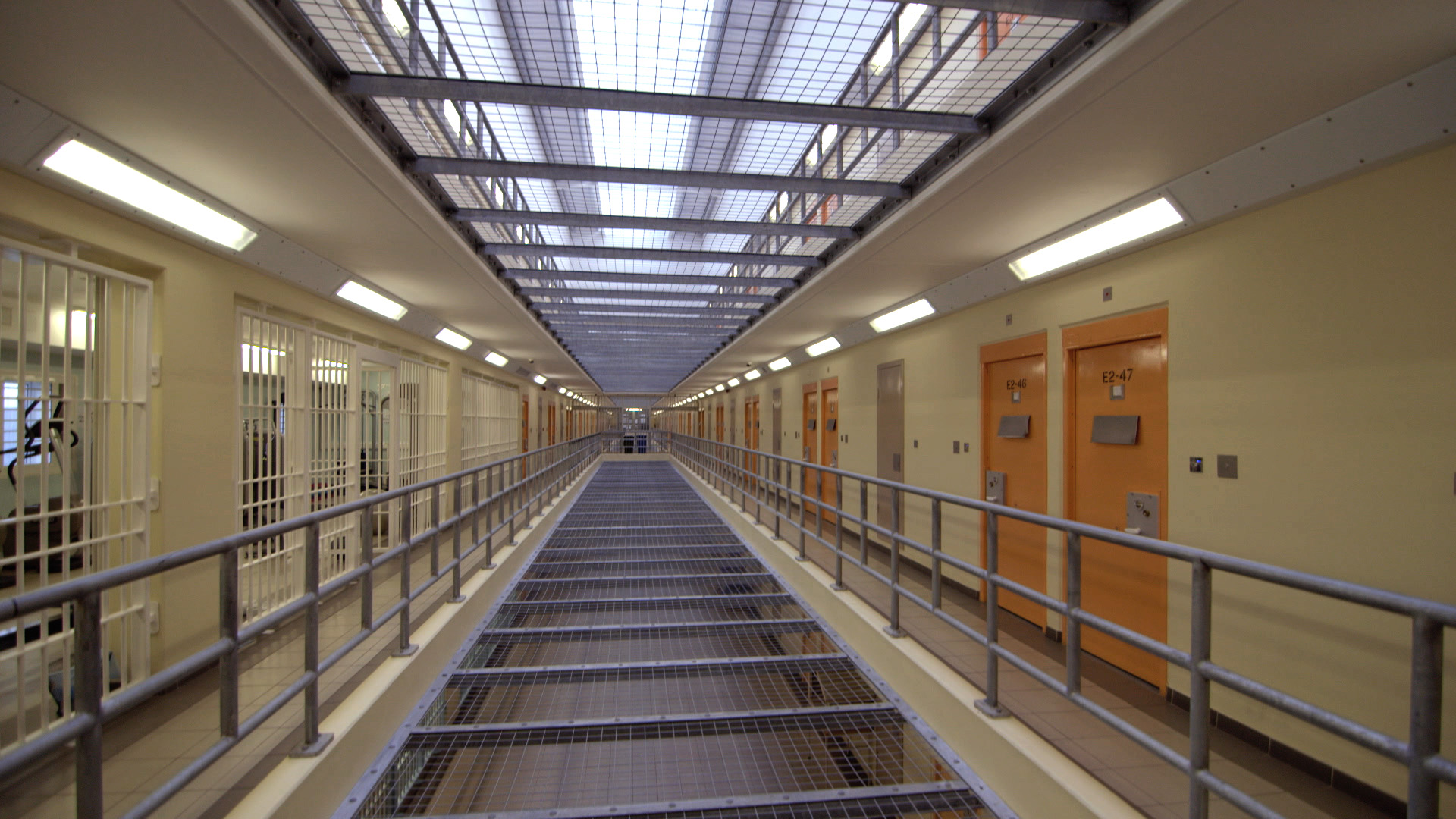
‘A Prisoner in the Family’ is an article by Deputy Director of the JCFJ, Eoin Carroll, which appeared in the November 2017 issue of The Sacred Heart Messenger magazine.
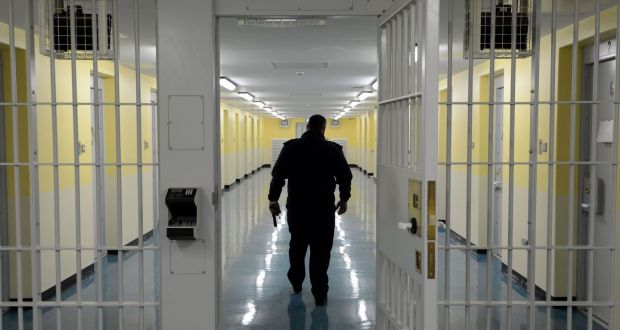
On Prisoner Sunday (12th November), Eoin Carroll, Deputy Director of the JCFJ, delivered a homily at St Francis Xavier Church, Dublin, based on the parable of the ten virgins which emphasises the need for preparation in order to be able to make good decisions.

The Jesuit Centre for Faith and Justice has welcomed strong calls from the Citizens’ Assembly for the government to increase political action on addressing climate change.
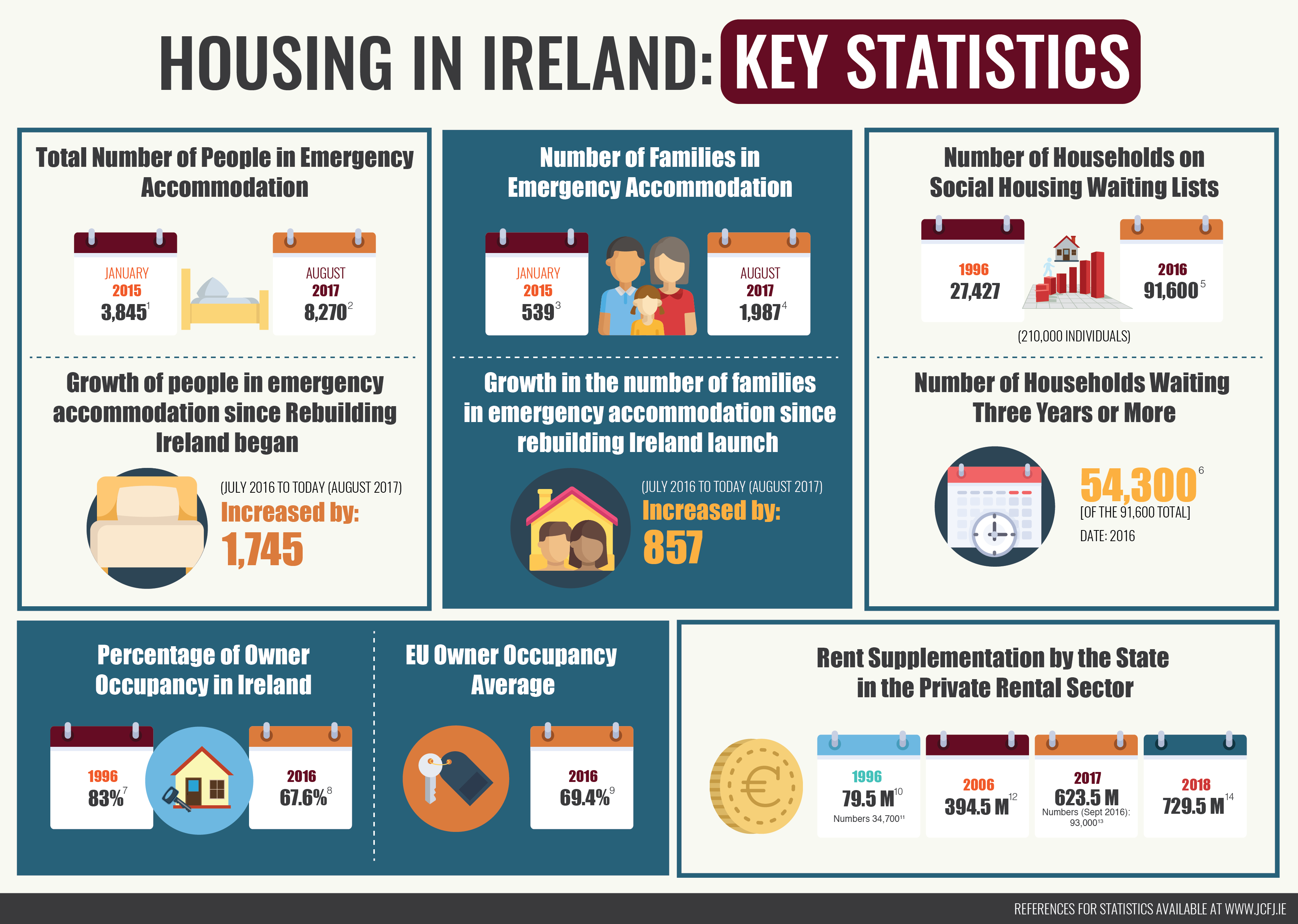
Rebuilding Ireland, the Government’s Action Plan for Housing and Homelessness, relies far too heavily on market-based solutions to the problems facing Irish housing. Because of this, it will fail in its stated objective of developing an ‘affordable, stable and sustainable’ housing system.

10th of October 2017 was Budget Day, and also World Homeless Day. It could have been the day the Irish Government committed to enshrining a right to housing in our Constitution, which would have had far-reaching implications for people experiencing homelessness.
Jesus said that you cannot serve two masters. You either hate the one and love the other, or are devoted to one and despise the other. Yet what role does faith have in an age when the one true master often appears to be the market economy?

The Jesuit Centre for Faith and Justice recently made a submission to the Citizens’ Assembly on the topic “Making Ireland a Leader in Tackling Climate Change”.
The only way to address the problems facing our societies is to understand them. This basic assumption guides an innovative new initiative from the European Jesuit provinces which seek to bring their networks of universities and social centres together to tackle the challenges that most press on European societies.
The UN Committee Against Torture has published its concluding observations from the second periodic review of Ireland, which took place in July. The examination, by ten independent human rights experts, was to assess Ireland’s adherence to the United Nations ‘Convention against Torture and Other Cruel, Inhuman or Degrading Treatment or Punishment’.
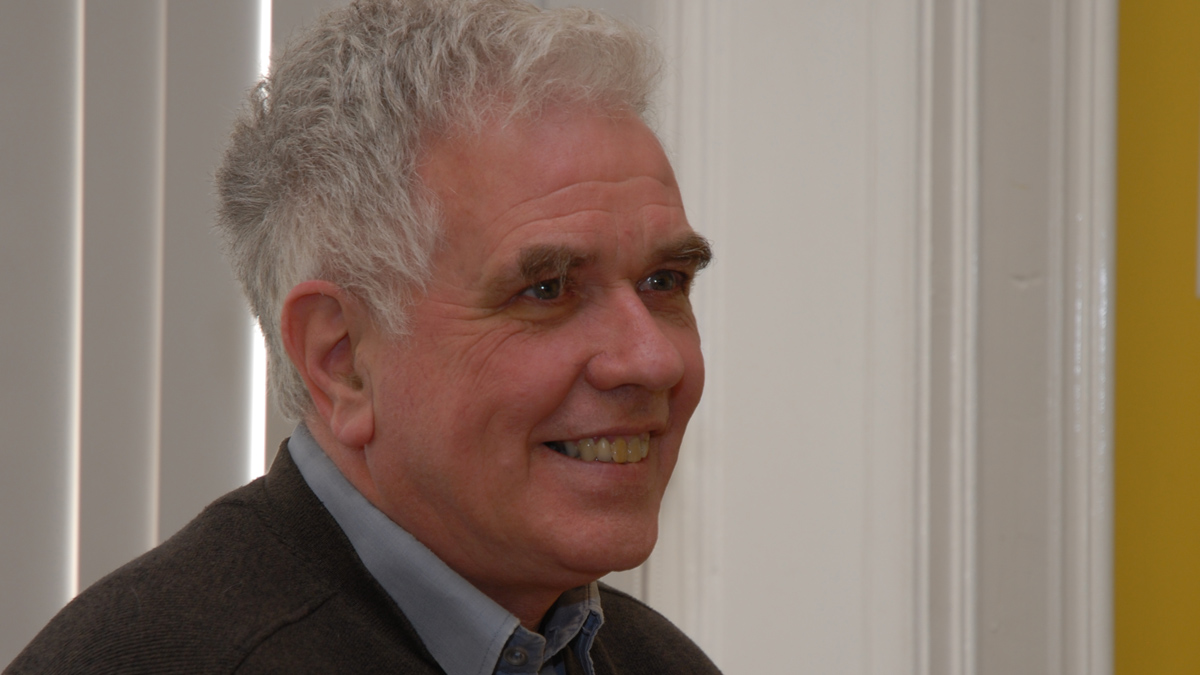
Peter McVerry responds in The Irish Times (11 August, 2017) to the assertion of An Taoiseach, Leo Varadkar that “many, if not most” of the people on the housing list already have houses.
Working Notes is a journal published by the Jesuit Centre for Faith and Justice. The journal focuses on social, economic and theological analysis of Irish society. It has been produced since 1987.