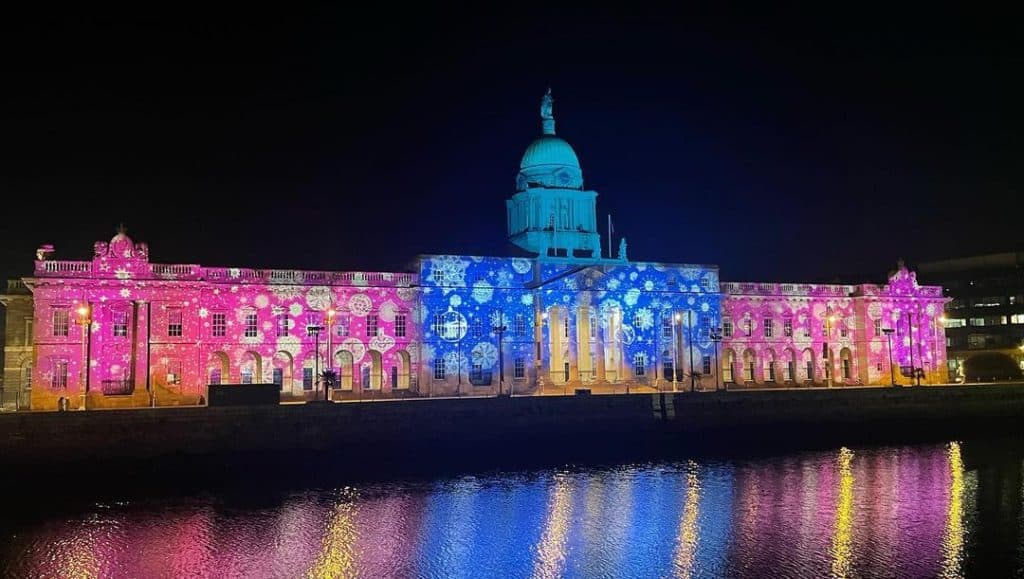


‘War on Christmas’ Rhetoric is Political Distraction
Christians don’t need to wage any wars in defence of Christmas. But we do need to find new ways to sustain the transformative message of Christmas in our contemporary age.
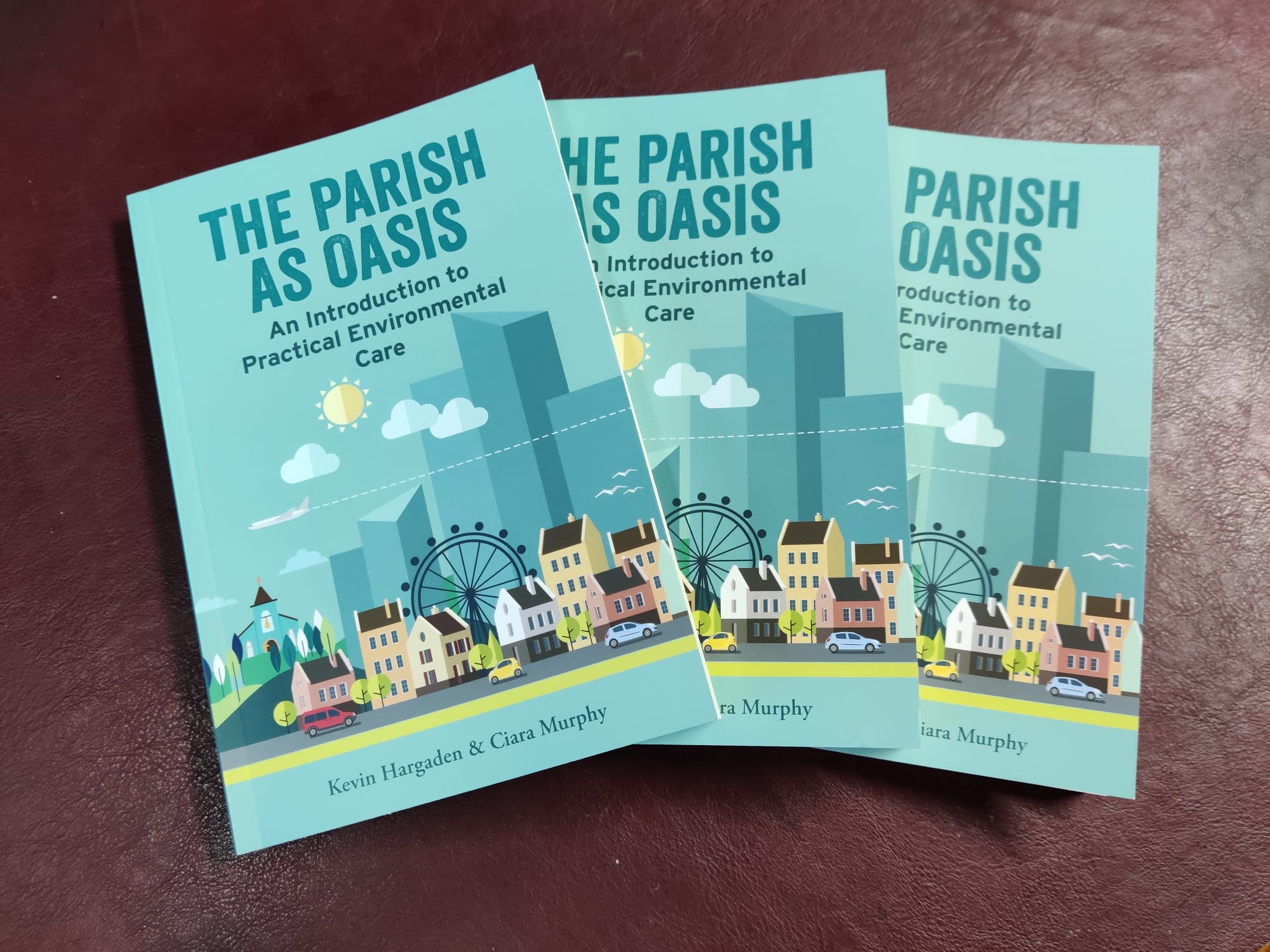
From COP in Egypt to your Parish – How we care for our Common Home COP27 – the primary forum in which nations negotiates climate action – came to an end on Sunday. The closing documents of this summit saw some advances being made in climate justice for Global South Nations with the establishment of… Read more »
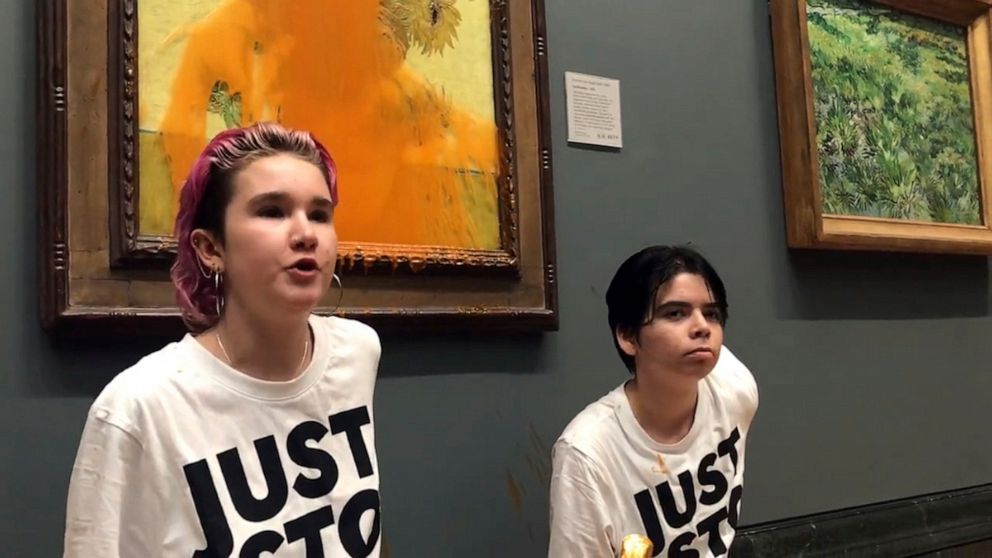
How should we respond to the disruption caused by climate activists? It seems that the pattern established in response to historical activism including the movement for universal suffrage and the civil rights campaign in the USA is being followed here. Both these movements have universal support today but were deeply distrusted and even despised when still fighting their battle.
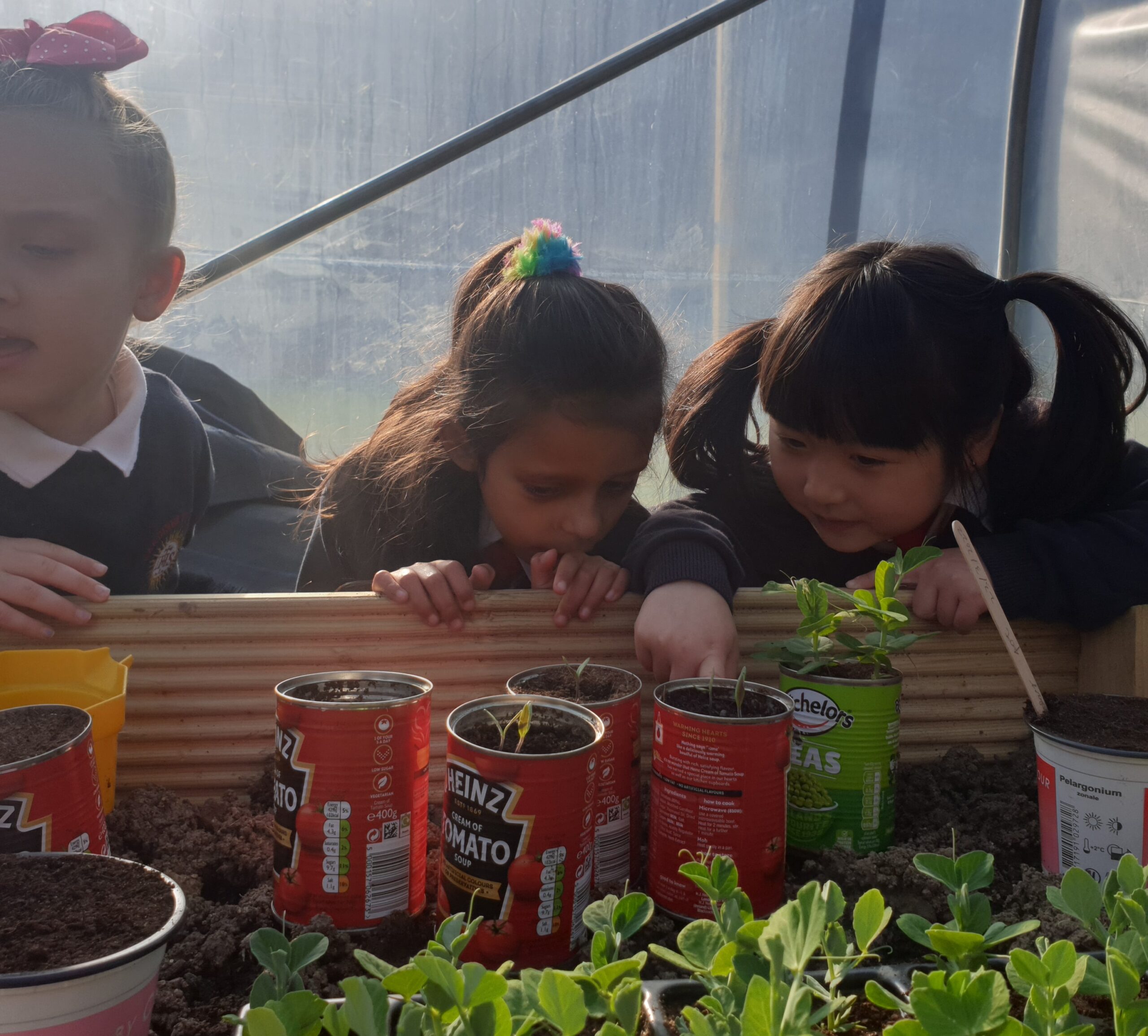
“We must treat the Earth like we do our family and friends, and give it the right to be treated with kindness and respect” The second of two youth biodiversity citizens’ assemblies concluded in Killarney last weekend. This collection of young people gathered together to consider how we should move forward in the biodiversity crisis.… Read more »
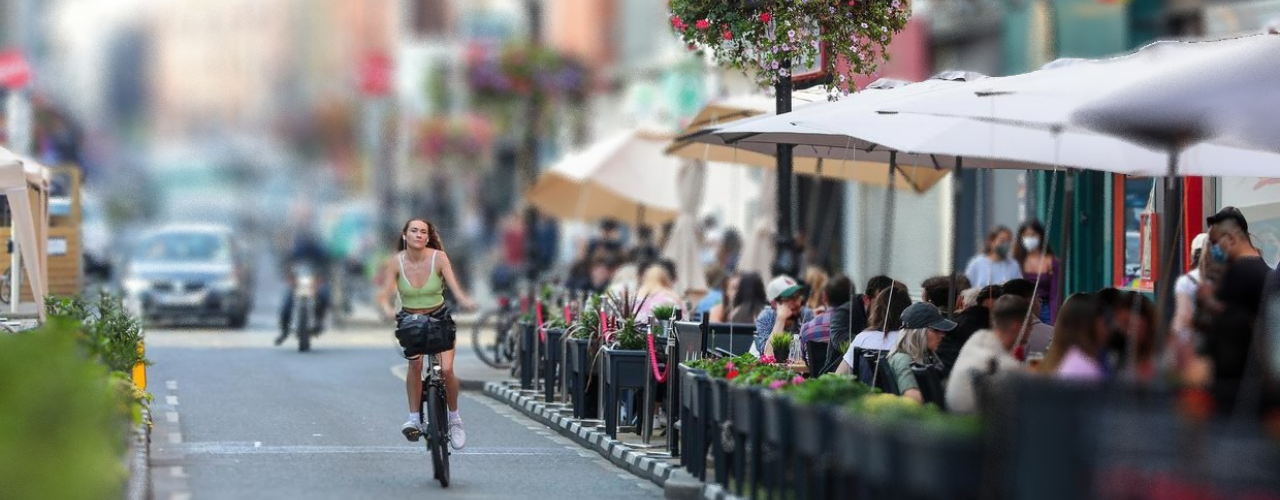
As the public consultation about pedestrianising Capel Street showed, we can work together to make our environments healthier and more enjoyable for everyone.
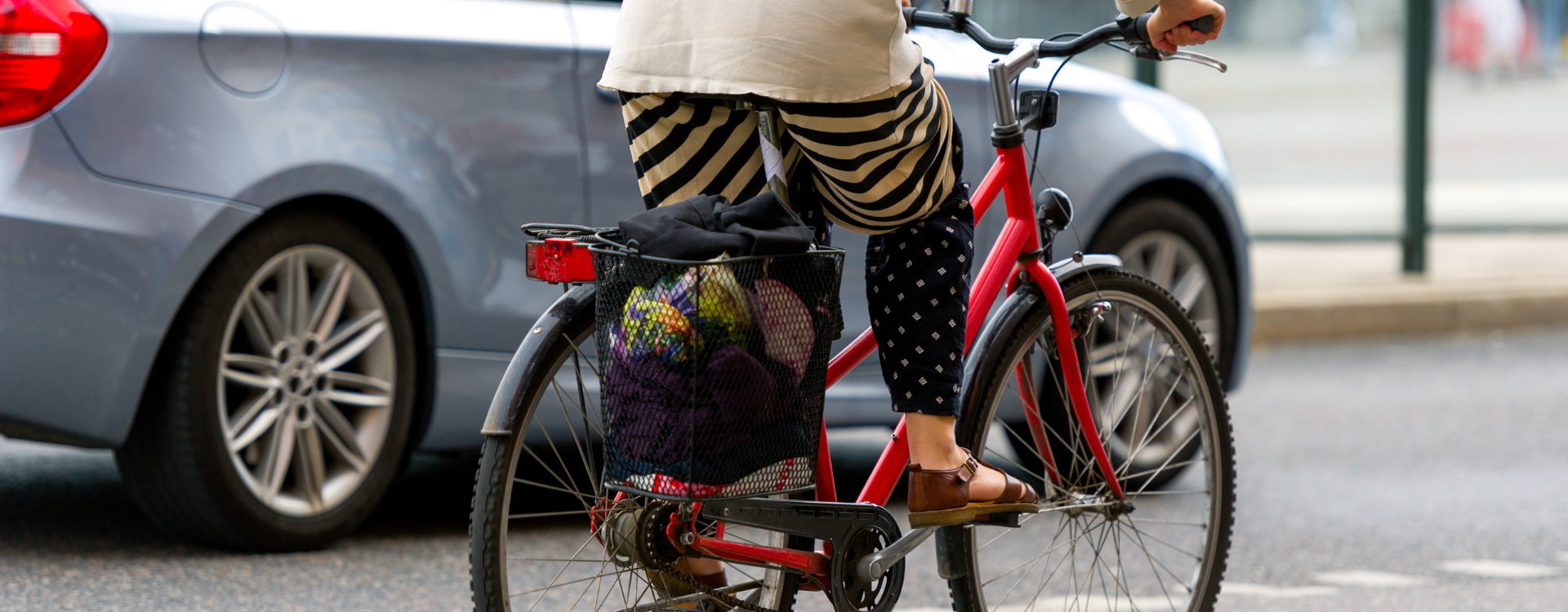
The solution for too long has been to treat the symptom and add to the number of cars moving short distances on dangerous roads. We need to tackle the root of the problem and ensure that our roads are no longer dangerous – for children cycling to school down rural roads or adults cycling to work in Salthill.
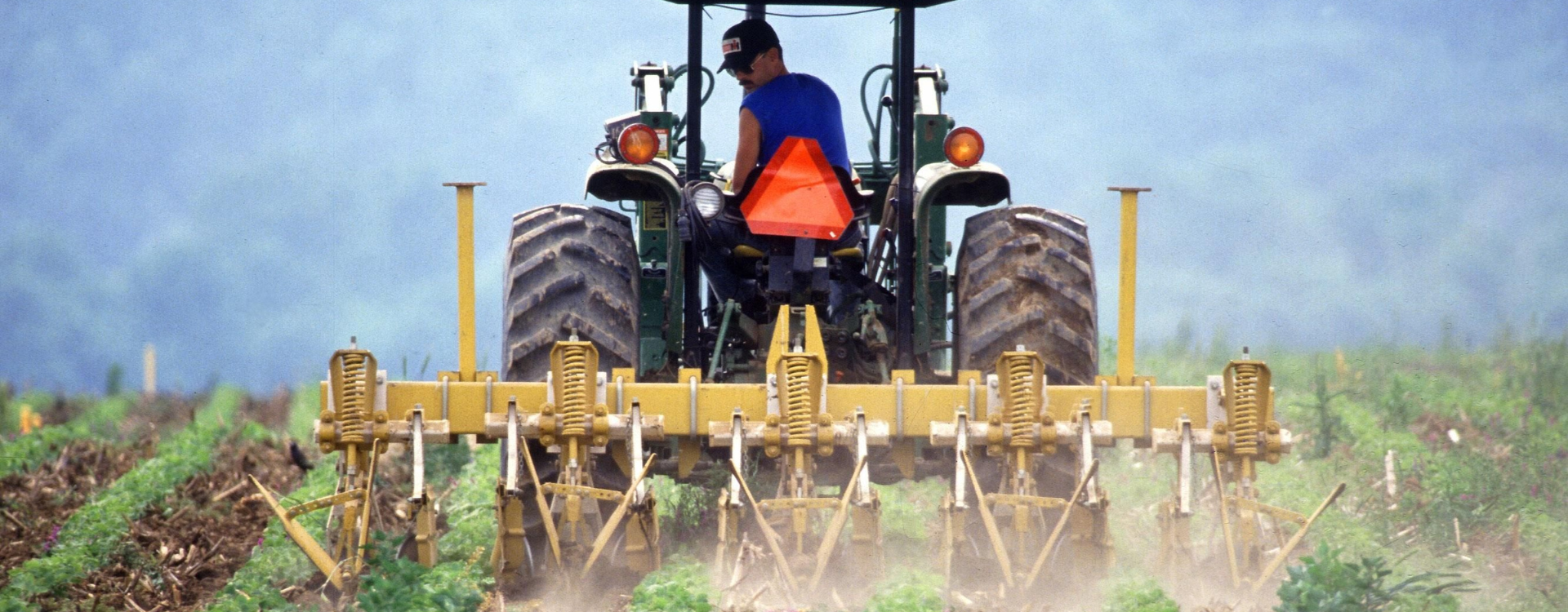
Farming is a vital part of our economy and society, but in its current form it does not work on many levels. By its nature, farming exists within ecological systems. It is both dependent on ecological services (for example biological pollination, provision of clean water and nutrient cycling) and impacts upon the ecosystems in which it exists.
Sometimes it takes walking along a road to experience a conversion, other times a cycle may be what it takes to lead to an ecological conversion. Last week I was lucky enough to have to opportunity to visit Utrecht on a study cycle tour. I took my time with travelling making my way via sail… Read more »
The earthquake of destruction that the invasion of Ukraine triggered has reverberated with a series of aftershocks for the global economy as grain shortages and threats to energy sources make an impact on our previous stability.
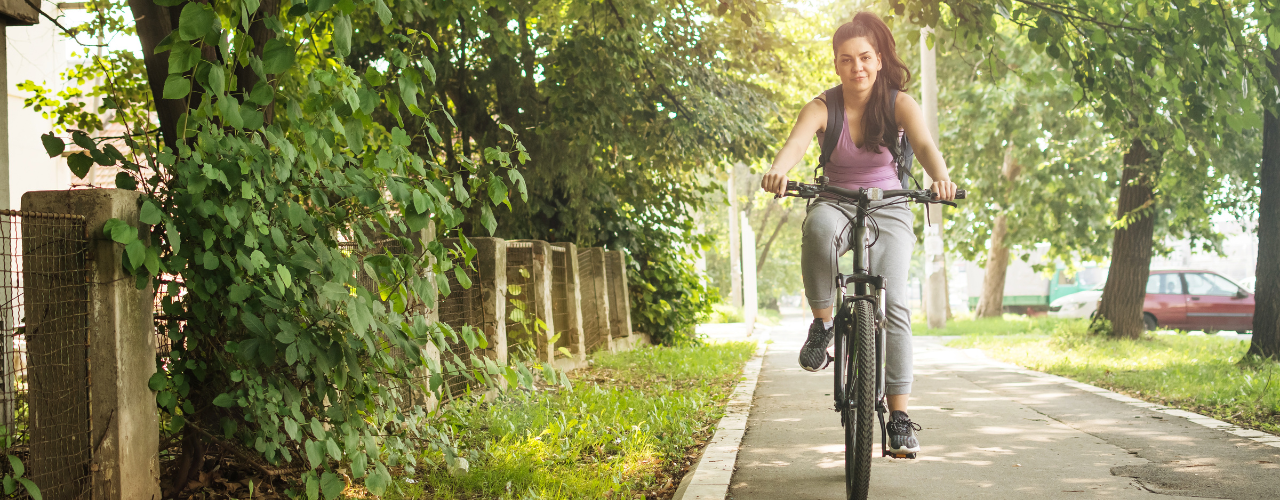
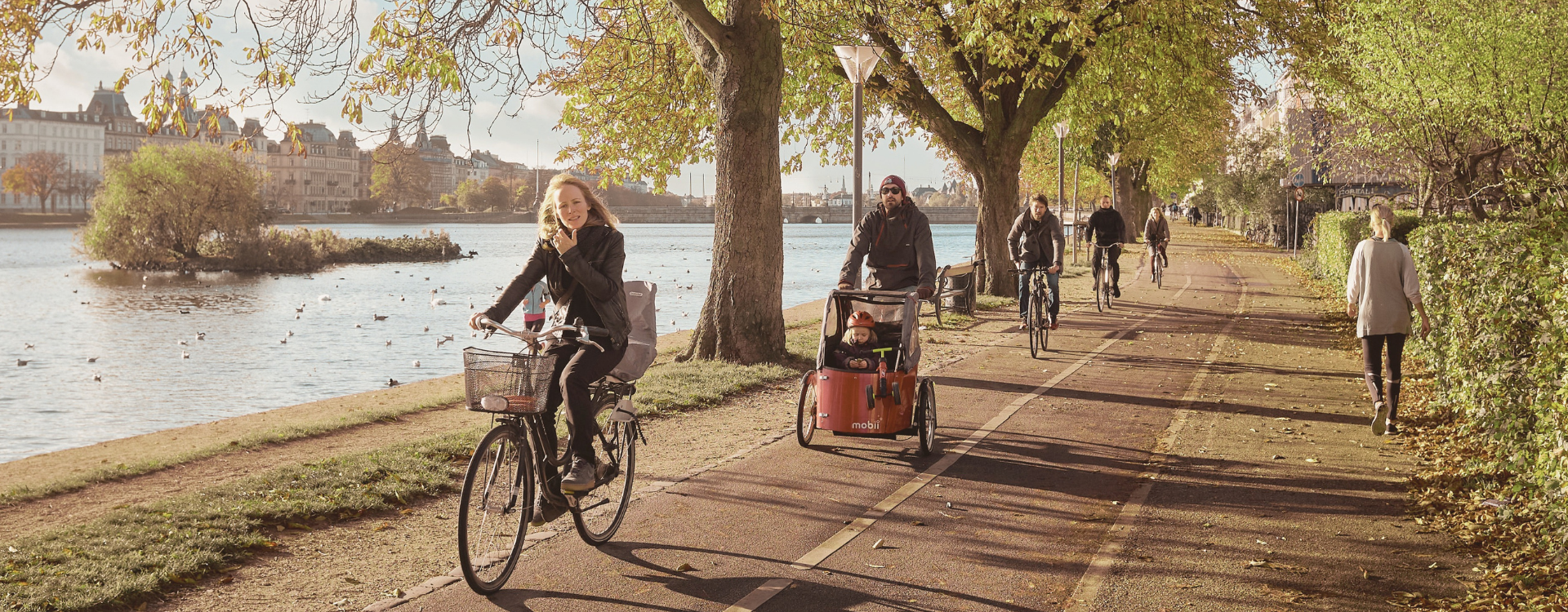
Cycling offers the most cost-effective mode of transport in the neighbourhoods where most people in Ireland live. It has associated benefits for local business, public health, and personal wellbeing.
The language differs, with the IPCC referencing integrated planning, systems thinking, and cross-sectoral perspectives as well as social dimensions, but the fundamental similarities to integral ecology are plainly visible.
We have to develop an integrated and holistic perspective. If we help people to reconnect to nature, to their own body, to their own feelings, then they will see how the quality of relationships is important and has to be promoted at all levels. With this change of perspective, people will understand that the “one health” is linked with environmental, animal, and human health.
The electric car is not a solution to our environmental problems, it is a solution to the motor industry’s problem.
The recent escalation in military activity along the Ukraine border highlights the particular ways in which war particularly interacts with energy. A lot of wars, in one way or another, are related to access to energy, particularly fossil fuels.
My life has been so enriched by cycling as a way of getting things done that I cannot help but encourage others to try it for themselves. But while I was excited to hear that my friend had a new job and also to hear he might join the thousands of people who have discovered the joy of getting to work on a bike, I was also worried. What if he and his little boy were in an accident one day? The reality is that commuting by bike – in Ireland – is taking a risk.
What seemed like common sense in 1960s Dublin would be viewed as madness today. Yet an obsession with the car continues to have a hold on the imagination of certain sections of the Irish electorate and with our city planners.
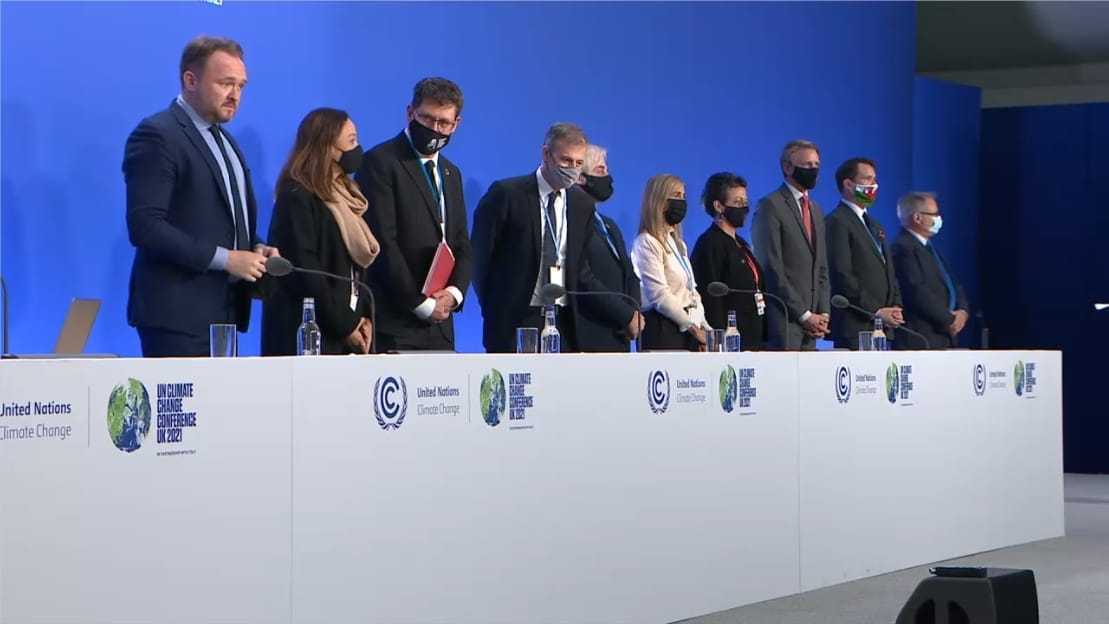
Travelling to COP was a worthwhile experience. Participating in the different aspects of it, the pilgrimage to Glasgow, the climate justice march and the Blue Zone offered different experiences and I come away with a slightly better knowledge of the mechanisms behind these international dialogues.
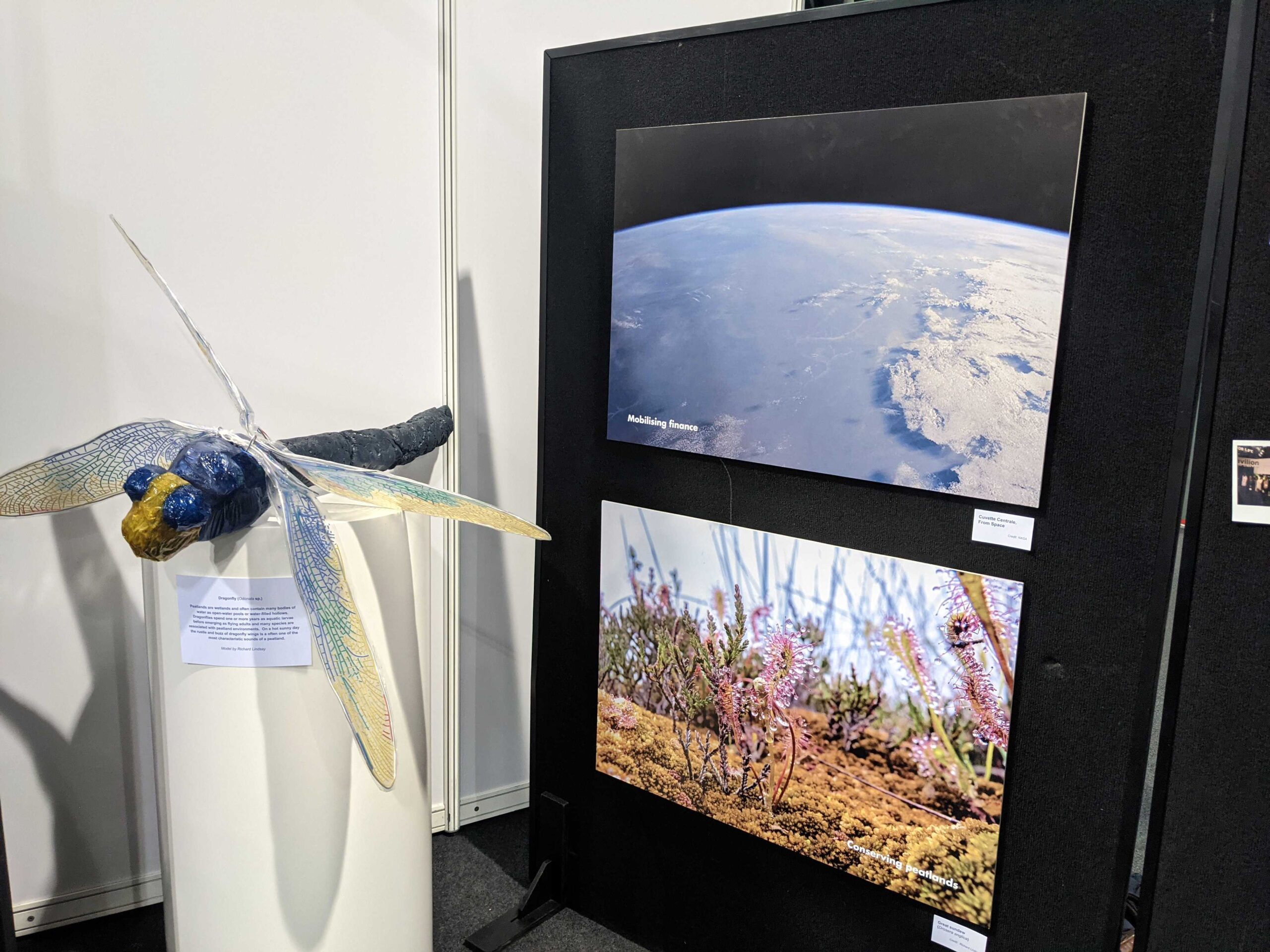
I don’t think the importance of bogs for climate action, especially in Ireland, can be overestimated.
Discussions at times got slightly heated and a little salty but I came away from the discussion with an appreciation of the hard work that must be done on a one-to-one level and by the drafters of the text, while simultaneously being very grateful not to have to do it. The meeting closed with an expectation that a ‘landing zone’ (a set of compromises that will allow a deal to be concluded) could be found.
Yesterday, armed with a blue lanyard and a ‘terrible’ photo Ciara Murphy was ready to take on the Blue Zone.
Loss and Adaptation day at COP26 was marked by an Ecojesuit webinar about climate change impacts in Oceania and Asia, and a JCFJ school talk about the interrelationships between climate change effects
Undertaking a pilgrimage is not usually done solely to satisfy the need to be surrounded by nature or to exercise but can result from deeply personal, spiritual and faithful decision. While the destination is important, the journey is equally so.
A gallery of photos from yesterday’s COP26 Global Day of Climate Justice in Glasgow. Exact numbers are hard to estimate – some reports say up to 100,000 people attended – and bystanders said it was the biggest march they had seen in Glasgow since the protests against the Iraq War in 2003. The weather… Read more »
Today [5th November], the theme of COP26 negotiations in the Blue Zone is ‘Youth and public empowerment – Elevating the voice of young people and demonstrating the critical role of public empowerment and education in climate action’. Whether by coincidence or design, it also happens to be a Friday, and there is a massive… Read more »
“When leaders call us amazing they are handing over responsibility to us” adding that “I hand the responsibility right back to them”.
Working Notes is a journal published by the Jesuit Centre for Faith and Justice. The journal focuses on social, economic and theological analysis of Irish society. It has been produced since 1987.