


‘War on Christmas’ Rhetoric is Political Distraction
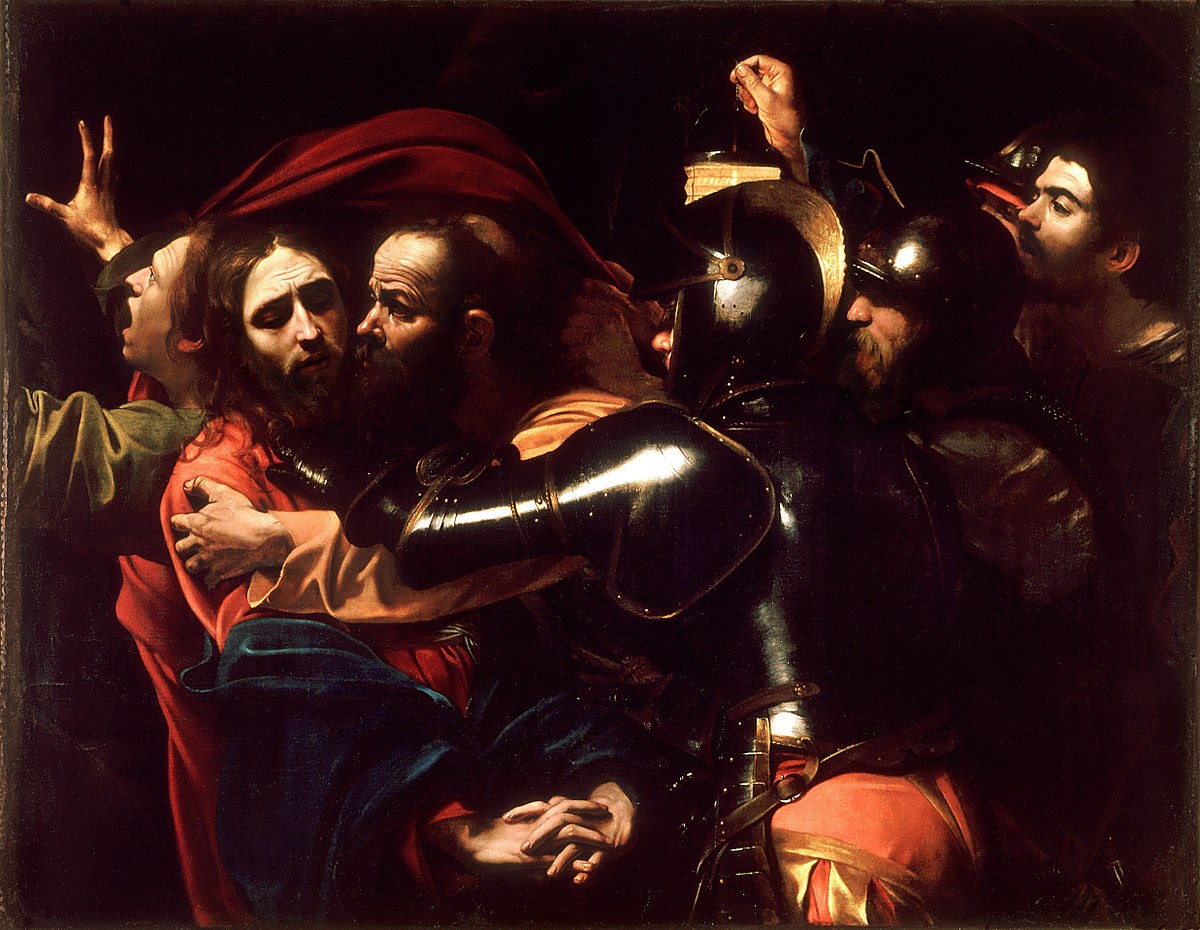
Christians don’t need to wage any wars in defence of Christmas. But we do need to find new ways to sustain the transformative message of Christmas in our contemporary age.
From COP in Egypt to your Parish – How we care for our Common Home COP27 – the primary forum in which nations negotiates climate action – came to an end on Sunday. The closing documents of this summit saw some advances being made in climate justice for Global South Nations with the establishment of… Read more »
Weeks of relentless advertising have started, all designed to part people from their money at this, ‘the most wonderful time of the year’. But there’s nothing wonderful about it for the 11,000 people who are homeless, or for more than 3,000 children who will spend it in emergency accommodation. What kind of Christmas are they going to have?
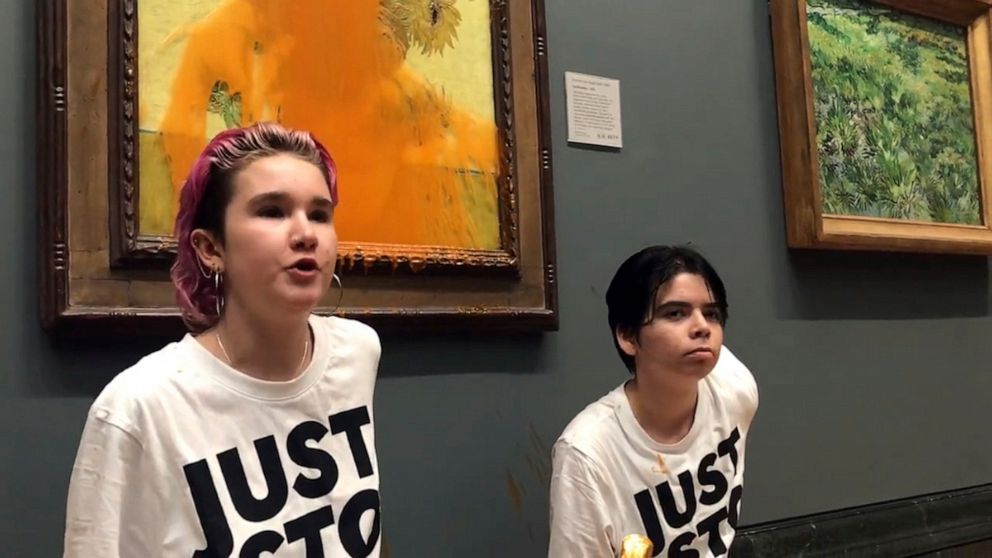
How should we respond to the disruption caused by climate activists? It seems that the pattern established in response to historical activism including the movement for universal suffrage and the civil rights campaign in the USA is being followed here. Both these movements have universal support today but were deeply distrusted and even despised when still fighting their battle.
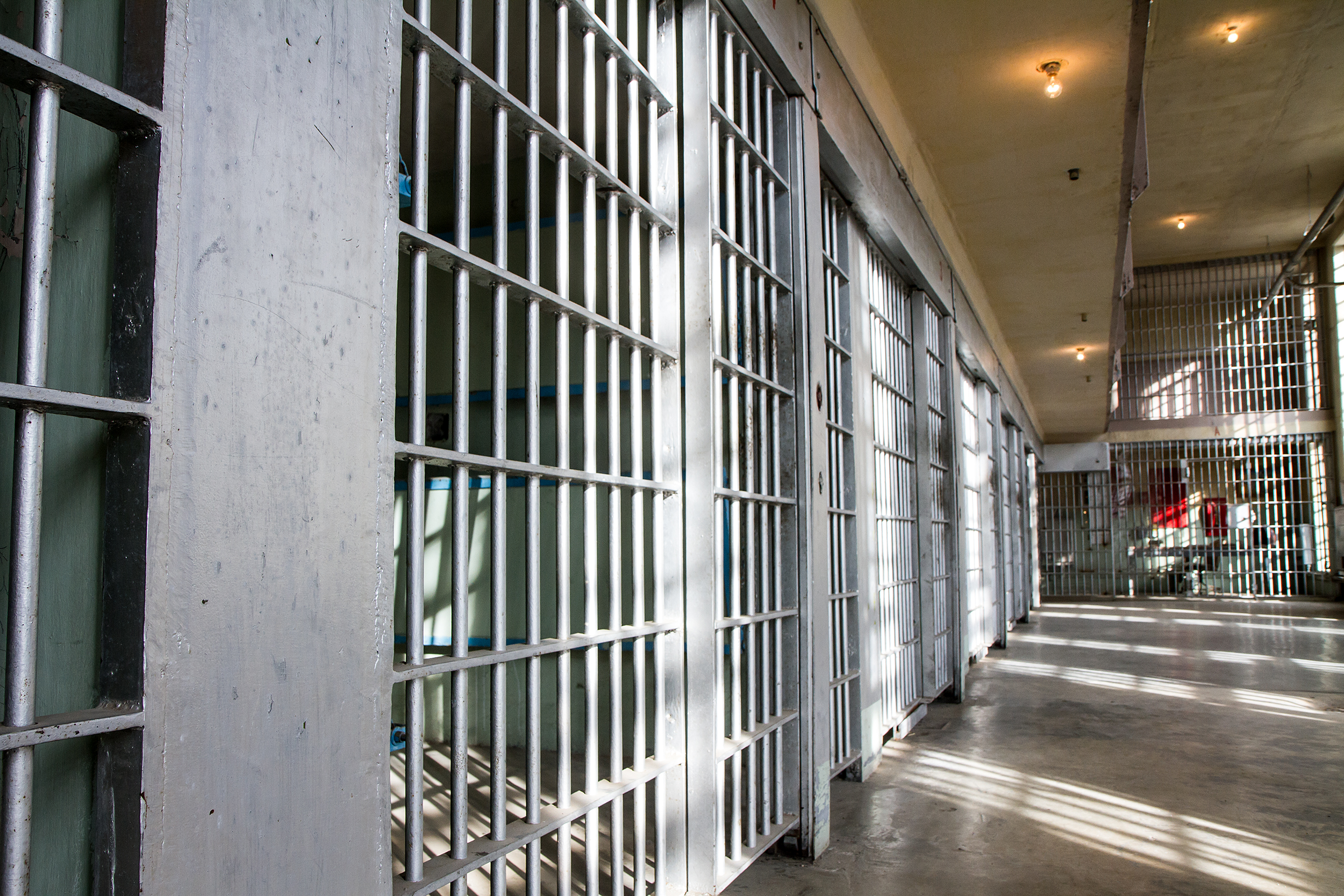
This weekend marks Prisoners’ Sunday, a moment in the year prompting us to pause and consider the men, women, and children who inhabit our prisons and places of detention. People in prison are rarely the recipients of sympathy. Their concerns and travails barely register with the general public. In fact, public opinion on penal… Read more »
“We must treat the Earth like we do our family and friends, and give it the right to be treated with kindness and respect” The second of two youth biodiversity citizens’ assemblies concluded in Killarney last weekend. This collection of young people gathered together to consider how we should move forward in the biodiversity crisis.… Read more »
Even when landlords are not selling up, tenants in private rental accommodation have limited security. One recent example reveals that private tenants in receipt of HAP don’t have the same security of tenure as someone in local authority housing, yet subsidising tenants in private rentals has been used by the State for years as a substitute for directly providing a functioning social housing system.
Our research had shown us, time and time again, that homelessness is not an inevitability, not some unintended by-product of the normal functioning of an economically developed society that had to be accepted as a part of life. The well intentioned, but essentially incorrect, statement that ‘homelessness can happen to anyone’ is not backed by the evidence.
For most of us, time is money. Quite literally. We live in a society where the majority of people exchange their waking hours for payment we call wages, so as to provide for the essentials of life and, if are fortunate, a few occasional luxuries. It is curious that for all the time we spend… Read more »
Because prisoners depend on prison staff for their most basic needs, the research concludes that it is critical to the concept of trauma-informed practice how staff exercise their power and authority in staff-prisoner relationships.
During Covid-19, the eviction ban was considered to be constitutional because we had a health emergency. It could now be re-instated on the grounds that we have a housing emergency.
As the public consultation about pedestrianising Capel Street showed, we can work together to make our environments healthier and more enjoyable for everyone.
Homelessness organisations and others in the non-profit sector have always been involved in advocacy and therefore in shaping government policy. This report continues this practice not only by its analysis of the two most recent Irish housing strategies but also by examining international examples of housing and homelessness policy.
What’s the point of having a centre for faith and justice if the faithful don’t really care about justice?
As a society, we should always be seeking to reduce both our prison population and the role of the prison. What we are currently experiencing is a mission creep—the gradual expansion beyond its original aims or goals— which is very difficult to row back once it becomes ingrained.
The solution for too long has been to treat the symptom and add to the number of cars moving short distances on dangerous roads. We need to tackle the root of the problem and ensure that our roads are no longer dangerous – for children cycling to school down rural roads or adults cycling to work in Salthill.
A referendum on the right to housing would reflect what our values as a society are, at this point in time.
If a ‘carceral feminism’ rises with a reliance on the Irish criminal justice system, then a shift will imperceptibly occur where gender-based violence becomes more narrowly defined as an individual crime rather than a broad social and political problem.
The Enola Gay was already 15 kilometres away when the bomb detonated 44 seconds later, about 700m above ground. Bob Caron was the only crew member facing the city. He saw the air crinkle from the horizon and then three successive waves caused the plane to creak, groan, and shake. The crew reported their mouths filled with a sour taste. The captain remembers whispering, “My god, what have we done?”
Farming is a vital part of our economy and society, but in its current form it does not work on many levels. By its nature, farming exists within ecological systems. It is both dependent on ecological services (for example biological pollination, provision of clean water and nutrient cycling) and impacts upon the ecosystems in which it exists.
Nobody in a wealthy country should face poverty in their last years simply because they have not managed to buy property. We need to pressure this Government to deliver a viable housing alternative that will benefit people who are not interested in gaining an ‘asset’, but simply want a home.
It was a demoralising, destructive and dehumanising experience, with no redeeming features, characterised by idleness and boredom. Some politicians and tabloid media believed the regime was not sufficiently harsh to deter them from committing further crime on release. One young person there summed it up very succinctly when he said: “This place brings out the worst in you.”
What linked all of the presentations was the theme that the Irish housing and homelessness crisis not only could have been averted but can also be solved. All that is missing from the Irish context and present in Finland, for example, is the political will to do so.
Sometimes it takes walking along a road to experience a conversion, other times a cycle may be what it takes to lead to an ecological conversion. Last week I was lucky enough to have to opportunity to visit Utrecht on a study cycle tour. I took my time with travelling making my way via sail… Read more »
When the Minister for Justice said that “six prisoners were required to be released immediately,” this is either unintentionally erroneous or misleading. These six were not prisoners by definition. Yes, they were in prison but their legal status was profoundly different from that of a prisoner. The sentence they received had been served, they were free people who were being detained in prison with no legal basis or grounding. Their sentences had expired. Something as important as the calculation of released should have safeguards with as many checks as is needed to ensure that a person is guaranteed their correct day of release.
Working Notes is a journal published by the Jesuit Centre for Faith and Justice. The journal focuses on social, economic and theological analysis of Irish society. It has been produced since 1987.