

Green Bill is not black and white
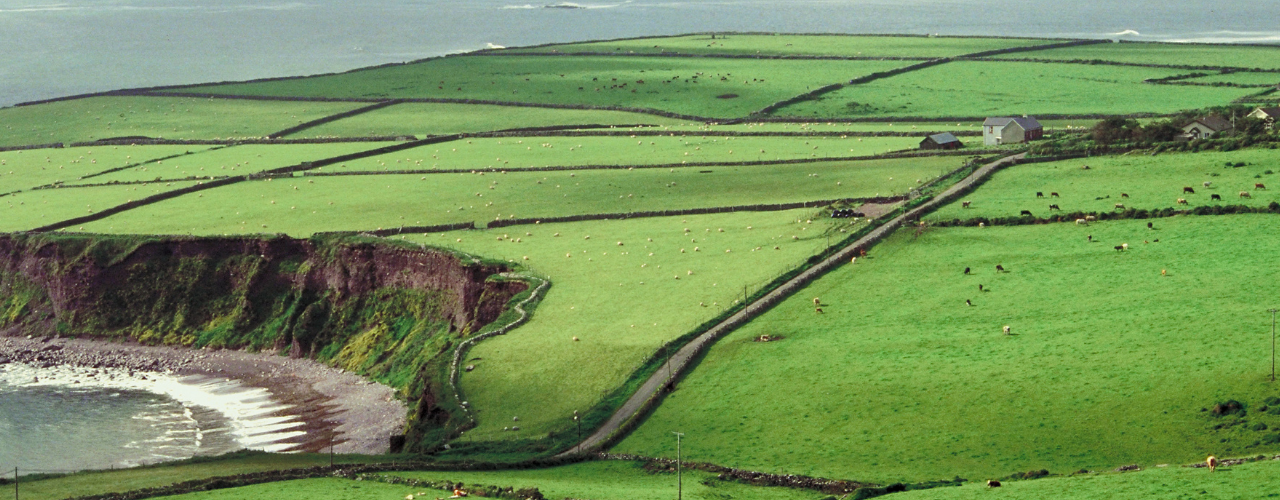
The most ambitious Irish commitment to emissions reduction to date, simultaneously falls short in committing us to doing our fair share in dealing with the climate crisis.
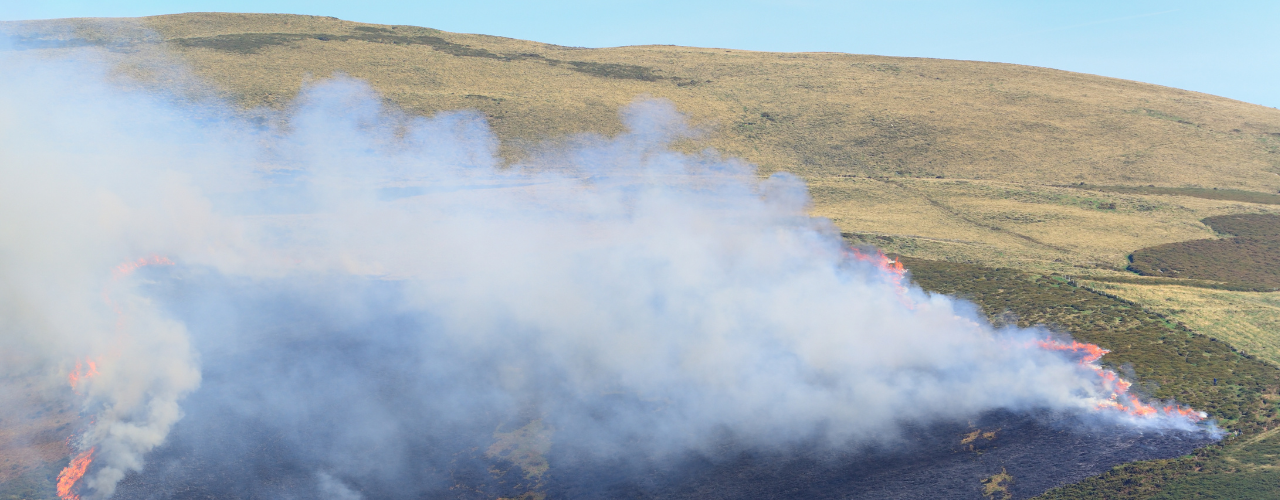
Less than three weeks into the nesting season, which is legally closed for gorse clearing, and Ireland has already experienced several serious incidences of wildfires in hills around the country. While the smoke may have cleared from the wild fires which ravaged the hills around Kerry, Laois and Wicklow the ecological devastation will remain for years.
We can see that the claims that landlords are fleeing the Irish housing market is false. There is no grand exodus. And the stable numbers of landlords have less debt and more revenue than they have had in the past.
Kevin Hargaden reviews Seán McDonagh’s new book ‘Robots, Ethics and the Future of Jobs’, which explores the impact of automation, robotics, artificial intelligence and 3D printing on society and the economy.
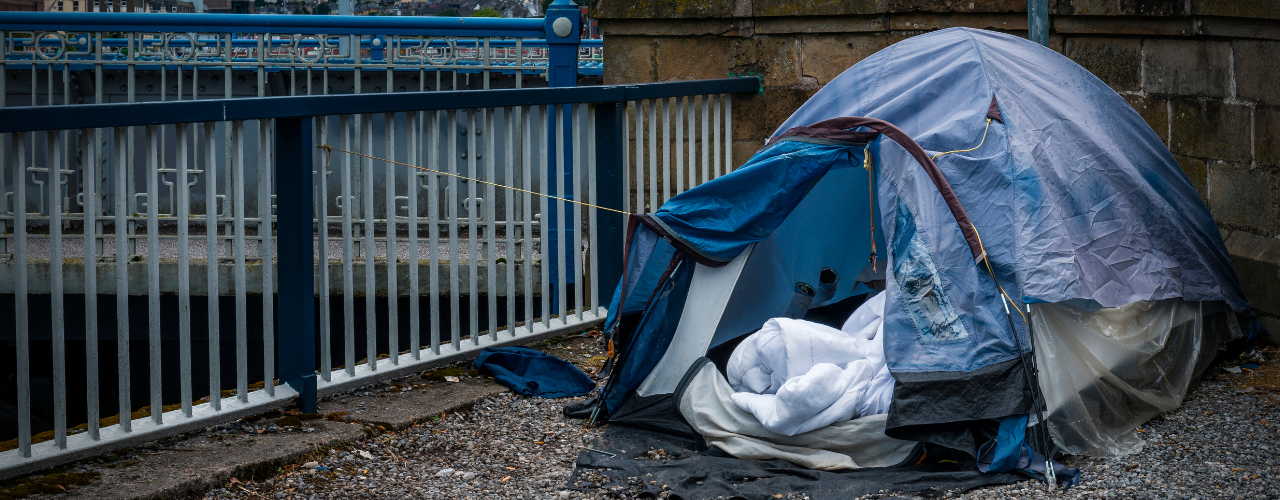
To address the problem of homelessness, we obviously need to understand the causes and nature of it. Unfortunately, there are some myths about homelessness, even amongst decision-makers, which prevents the problem from being resolved, says Peter McVerry SJ.
This blog post is the final of a three part series on policy-making as storytelling. In this week’s piece, Keith Adams considers how to make further sense of the stories around homelessness by looking at the sources of the housing which families enter into as they exit homelessness and how we can end homelessness.
In the second of our three-part series on Policy-making as Storytelling, Keith Adams continues to analyse the Quarterly Homeless Progress Reports to see who remains in emergency accommodation, and for how long? In next week’s final piece, we will look at how we can prevent homelessness.
This blog post is the first of a three part series by the Jesuit Centre for Faith and Justice on policy-making as storytelling. Using the Quarterly Homeless Progress Reports, this series will consider the stories which are central to homeless policy in Ireland and if other stories exist. This post will focus on exits from homelessness with the second post next week reflecting on families prevented from entering homelessness. Duration of stay in emergency accommodation will be the focus of the third blog post and round off the series.
Environmentalism is one of the few substantial ideologies left standing in Western politics. Environmentalists believe in something more than mere utility. CETA is an excellent opportunity not to “play senior hurling” but to testify to the fact that another, better world is possible. It should be rejected wholesale and replaced with a framework fit for the 21st century.
Into the hole they poured all their surplus money and when the money filled the hole, a door slid open at the bottom and the money drained out. The people cheered when this happened because this proved they were the most efficient and productive and hardworking people. This truly was the best little country in the world to dig a hole.
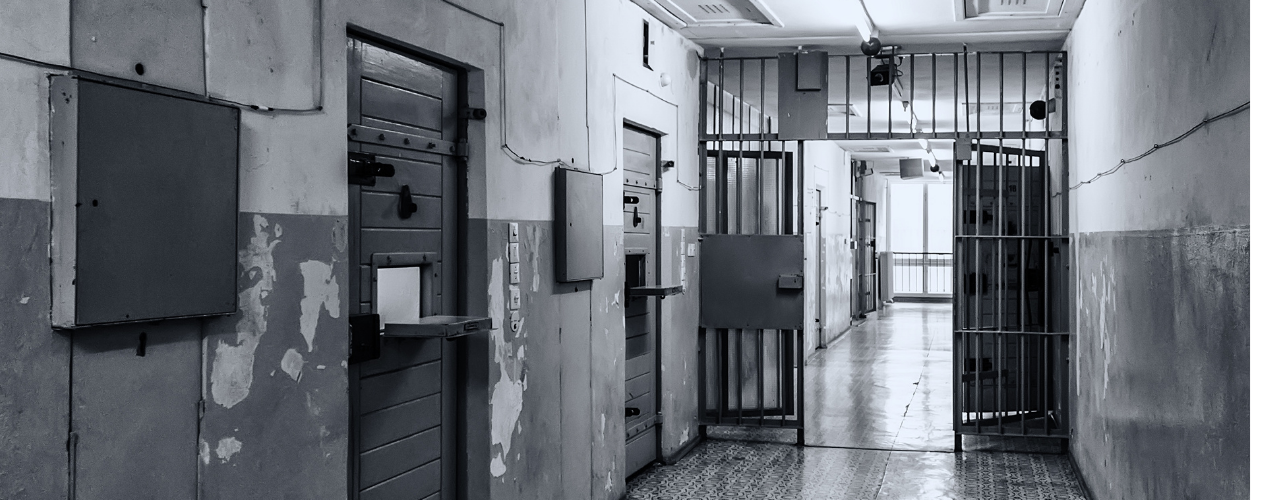
“I want to make a simple proposal that if our judges were more aware of the prison environment, to have walked the tiled floors or listened to the experiences of those they may have imprisoned first-hand, the numbers in pre-trial custody would reduce.” Peter McVerry SJ
Economics and policy, a marriage made in the public, political and societal eye – is one that not even debt can tear apart. The two are inextricable , and the power dynamic within their relationship is an important one to consider. When fiscal priorities are the parameters that frame policies, the results may not… Read more »
In early 1998, Tony Blair, then UK Prime Minister, addressed the French National Assembly. In fluent French, he described the political ethos shaping New Labour and, more broadly, Third Way politics, as “an attempt to make realistic sense of the modern world. It is a world in which love of ideals is essential but… Read more »
At the start of last year, we in the Jesuit Centre for Faith and Justice looked forward to 2020. We were full of anticipation of progress on environmental issues, saw signs of hope in the growing divestment from fossil fuels movement and were able to celebrate the Irish Government’s participation in that process. What… Read more »
It is important to ask why a request to vaccinate prisoners in the early stages of the programme is met with vehemence and opposition. The force of emotion expressed reflects something of our punitive instinct around justice and this particular instance exposes how in the end, that desire is self-destructive.
On Saturday 21st November, the ACRE Project came together to construct a Bug Hotel in the grounds of its community house in Mullacreevie Park, Co. Armagh.
Trade agreements are difficult things to discuss because they require such specialised knowledge and attention to detail. But they have such an impact on our economy and society that we must be alert to what they contain.
Perhaps the EPA report, which is unrelenting in its assessment, is the catalyst we need to become painfully aware of what is happening in our country as well as for a plan we can follow to change our collective habits.
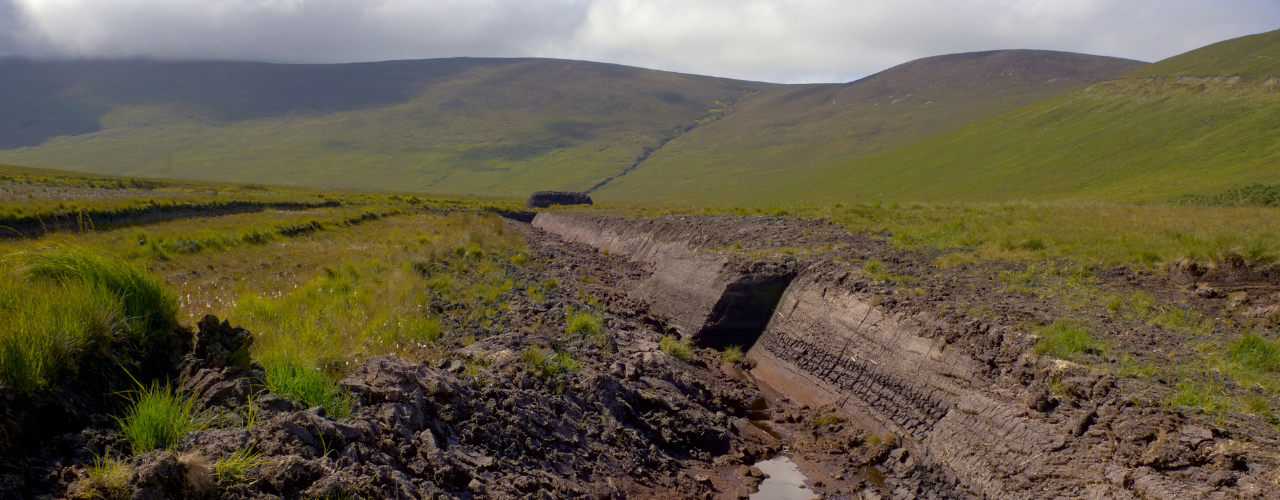
Amongst the news of the US election and of potential vaccines that will hopefully help end this twilight zone of social distancing we must not be deaf to the continuing reality of the climate and biodiversity emergency. Hurricanes, wildfires, and bog slippage , which are all part of the complex story of climate change… Read more »
The first step in this direction is acting on the promises made in the Programme for Government and definitively closing off all avenues of fracking importation and fossil fuel exploration in Ireland.
In an echo of the call we make to politicians here in Ireland to amend the Climate Bill, we now call on our MEPs and demand that they vote for an improved Common Agricultural Policy.
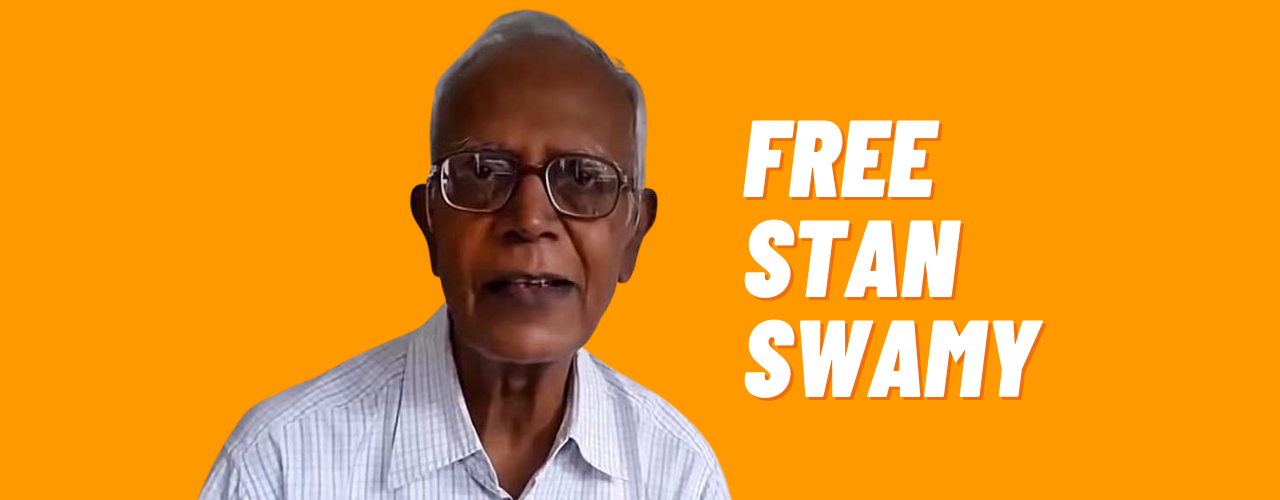
Stan Swamy SJ is an 83-year-old Jesuit and human rights defender in India who has been arrested on false charges of involvement with extremist groups. We demand his release.
Keith Adams considers, from a sociological and theological perspective, what it means for the terminally-ill to die in prison.
Fratelli Tutti unpacks what this means: the nation state must be relativised and the natural right of migration must be recognised, global orders of law, especially dedicated towards the preservation of fundamental human rights must be established, private property must be exposed as a delusion and relegated to its proper place as a secondary right, derived from the inescapable fact that every good thing is a gift that is owed to everyone.
Chaplains are unique, in that they have no agenda other than the welfare of prisoners and prison officers. There is no career path or advancement for chaplains that might compromise how they work. Thus, they are almost universally respected by prisoners who place a high level of trust in them. They will talk to the chaplain about issues in their life, traumas they may have experienced in childhood and their fears for the future. Most prison officers, too, hold the chaplain in high regard and appreciate the work they do.
Working Notes is a journal published by the Jesuit Centre for Faith and Justice. The journal focuses on social, economic and theological analysis of Irish society. It has been produced since 1987.