
Article Category: Poverty & Inequality

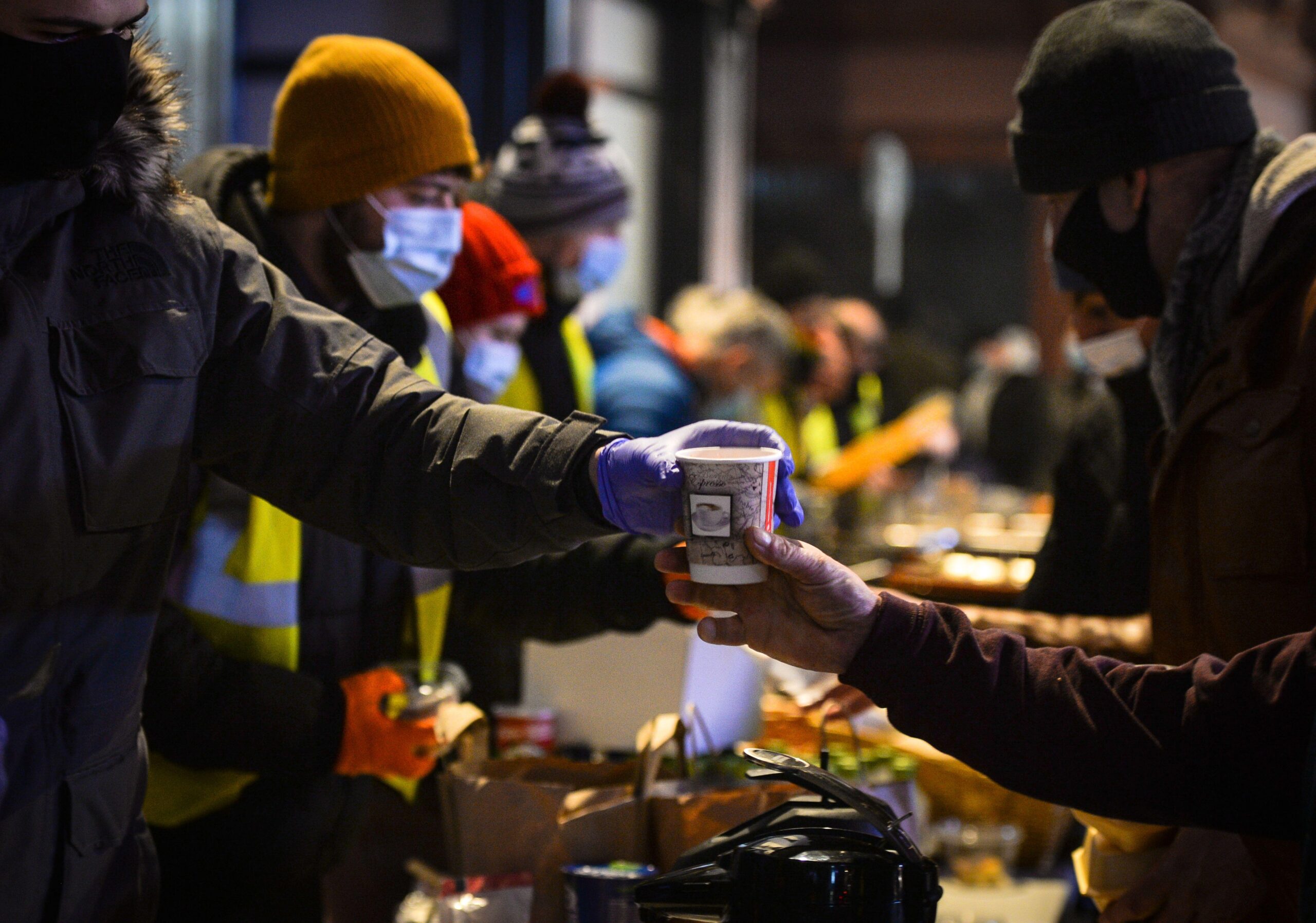
Food Provision for People Experiencing Homelessness: An International Snapshot

Divya Ravikumar-Grant in association with Professor Saoirse Nic Gabhainn and Professor Colette Kelly Affiliation: Health Promotion Department, University of Galway Divya Ravikumar-Grant is an assistant lecturer in health promotion and nutrition at ATU Sligo. She is a registered dietitian with a master’s in health promotion. Divya has also worked as a researcher on several health… Read more »

Food Waste and Old Wisdom

Edmond Grace SJ Edmond Grace SJ is a research fellow with the Jesuit Centre for Faith and Justice. He studied theology in the Milltown Institute, law at Trinity College Dublin, and Columbia University. He is the author of Democracy and Public Happiness, Advisor on Citizen Participation on The Wheel, and former Secretary for Ecology in… Read more »

Destabilising the Fight Against Poverty

Introduction Many people in Ireland live in poverty. This daily reality for countless households is evident by the large network of organisations—statutory, community, and voluntary—that seek to alleviate poverty and its pernicious effects. These organisations target an array of demographics and focus on ameliorating its specific symptoms such as unemployment or low educational attainment. It… Read more »

3 sets of hands holding up an inflatable globe

Nature, Consciousness and the Anthropocene– Security Within an Ecosystem?

Dr Mark Mellett Vice Admiral, Dr Mark Mellett was Ireland’s highest ranking military officer, Government’s Principal Military Advisor and member of the National Security Committee and the EU Military Committee. He now runs his own company Green Compass advocating for sustainability and is Board Chair of the Maritime Area Regulatory Authority and Sage Advocacy. INTRODUCTION… Read more »

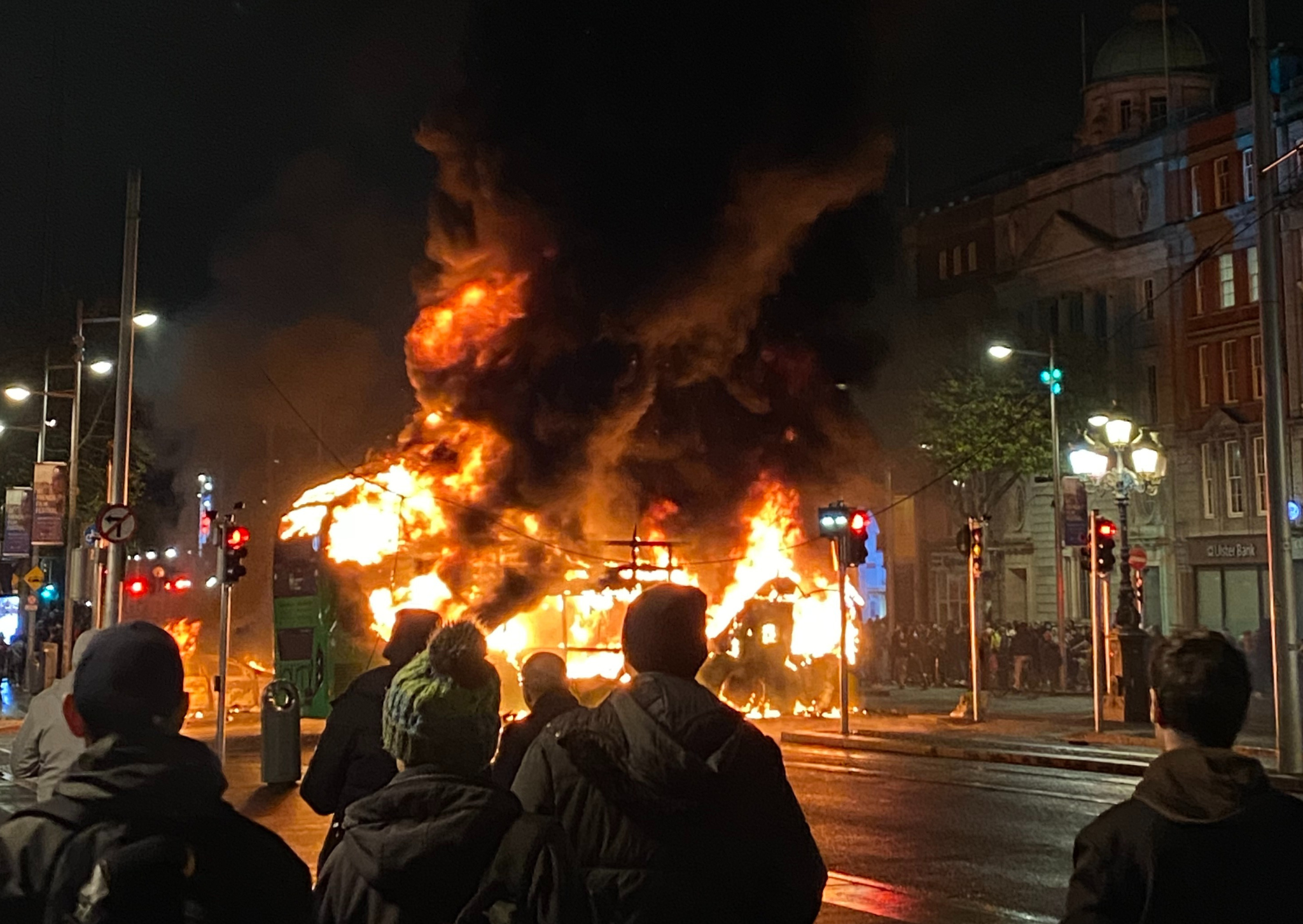
Image of Dubliners watching a dublin bus and luas buring on O'Connell Street

Reading the City Centre Riots: Thoughts, Feelings and Reactions of the Dublin Community Co-op

Unaddressed social issues are the bedrock upon which extremist actors have been able to incite racism and
violence against migrants.

Women and child working together over school work

Early Childhood Home Visiting- a Critical lifeline for families in Dublin’s Inner City.

Resilience is the ability to bounce back from
adversity, adapt to challenges, and recover
from setbacks. While Dublin City Council
workers cleaned up the streets after the
riots and restored the physical space, Home
Visitors were addressing the emotional and
mental trauma experienced by children and
families and supporting them to recover
from these awful events.

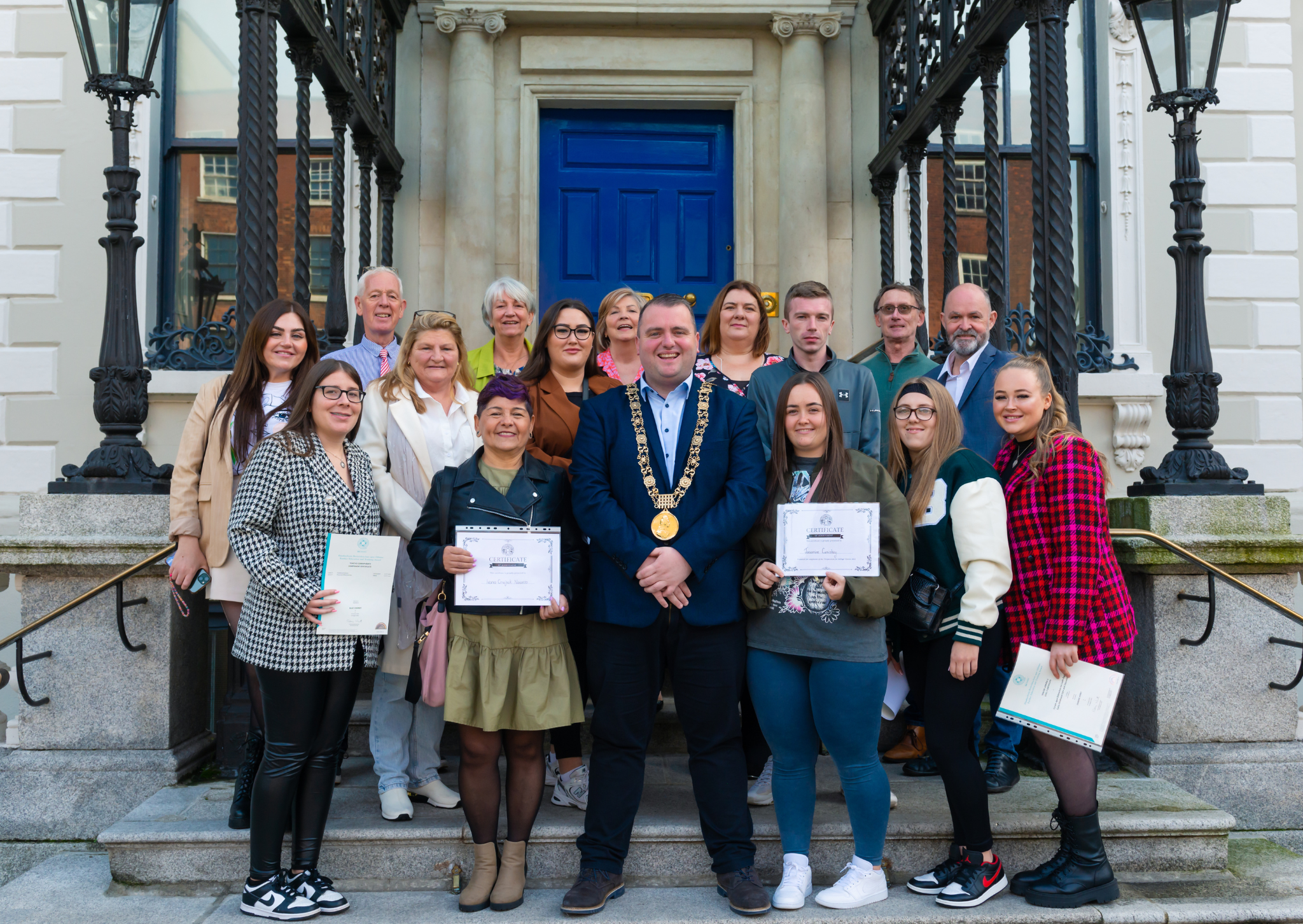
16 people from the community after schools Project Awards, recieving awards

Community education and the NEIC

The popular idea of formal education and raising educational outcomes as a way out of disadvantage is not true.8 It is more challenging for disadvantaged children to engage in education and achieve curriculum outcomes compared to their better off peers. The hidden curriculum with its unwritten rules and expectations of the dominant culture, makes it more difficult for children from disadvantaged communities to thrive in school. Schools provide an advantage to those already advantaged by their cultural capital and established security as beneficiaries of the status quo.

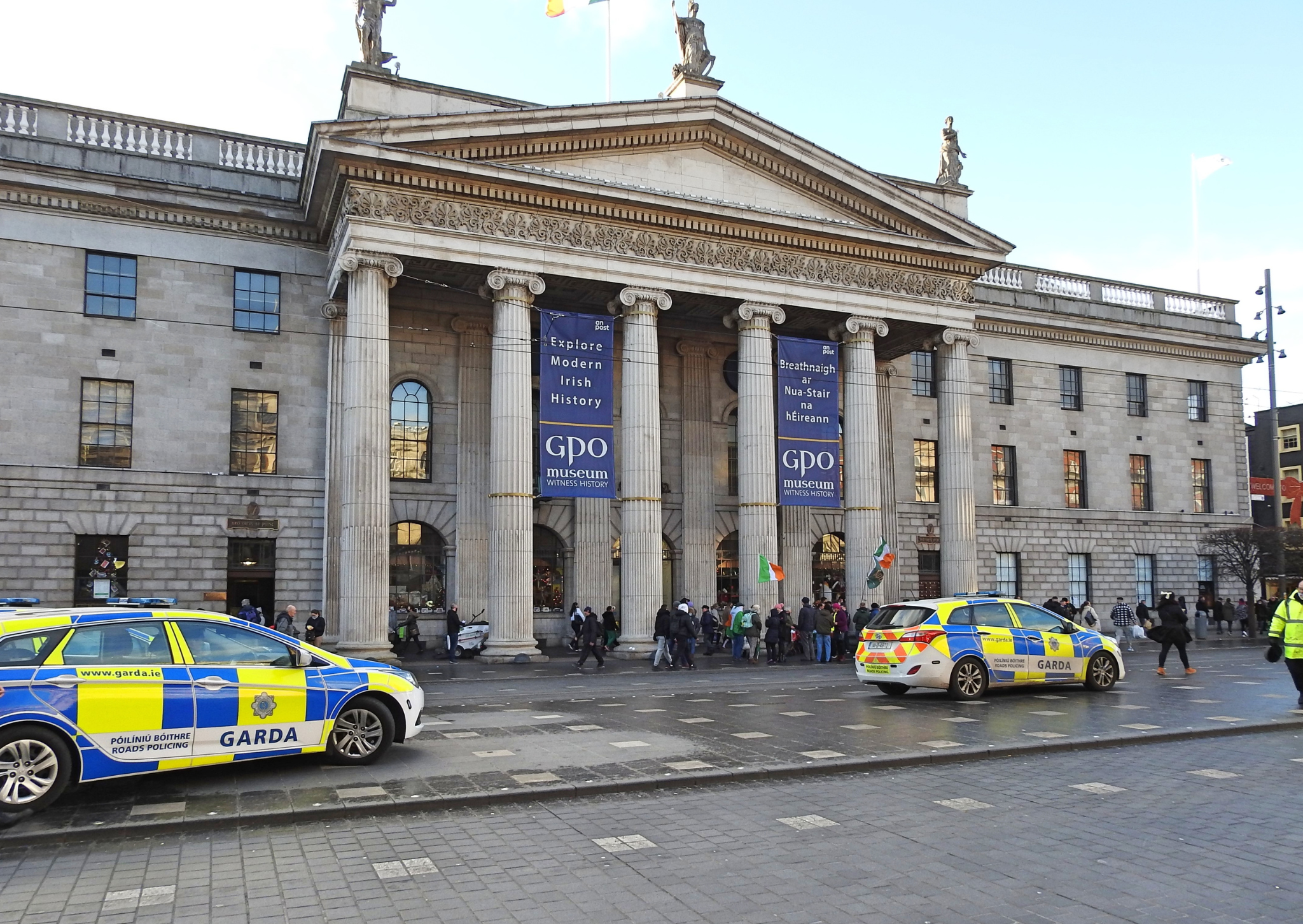
two Garda Cars parked outside the GPO Museum

Stretched to the Limit: Policing in Dublin’s North-East Inner- City

Children’s access to an illicit drug free
environment is not possible. There are knock on
effects for their life chances – restricted
education opportunities or a pathway to
serious crime. As the neglect of these areas
continues, the illegal drug industry could
become integral to the economy of the
area

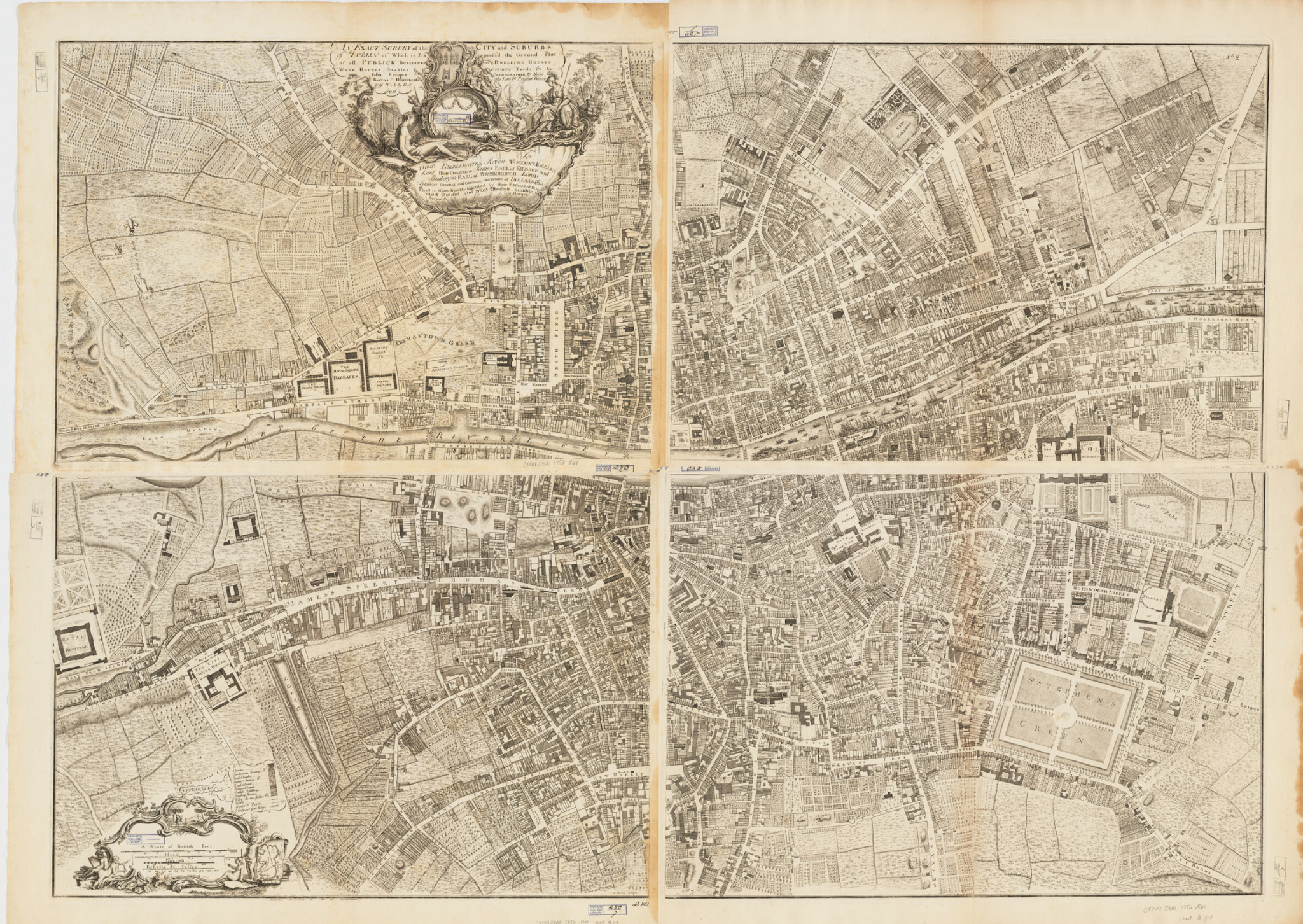
A map of Dublin from 1756.

This is the Air We Breathe: Sharing suburban place and story in the North-East Inner-City of Dublin.

Every time you go from one neighbourhood and enter another and see an inequality and say ‘that is the way it is’ you are calling that which is demonic, natural.

“Sewing” Justice: A Theological Response to Garment Worker Exploitation

Written by Céire Kealty Céire Kealty is a PhD candidate in Theology at Villanova University and freelance writer, exploring Christian spirituality, environmental ethics, and the global garment industry. Restless Distractions In his work Confessions, St. Augustine identifies a deep restlessness in every human heart. He insists that this restlessness finds its release in God;[1] advertisers… Read more »

Irish Travellers and Prison: Discrimination, Education, and Lateral Violence

Travellers are loose threads in the fabric of Irish society. They exist at the edges rather than being interwoven into the whole. This is often excused by settled people as being their choice, and even their fault. We have all heard about, and read about in the media, Travellers’ propensity to crime and disruption. But what we don’t hear about is Travellers’ struggles to exist and find their place in a society that was designed for a settled lifestyle.

Where Is My Mind: Traveller Accommodation and Mental Health

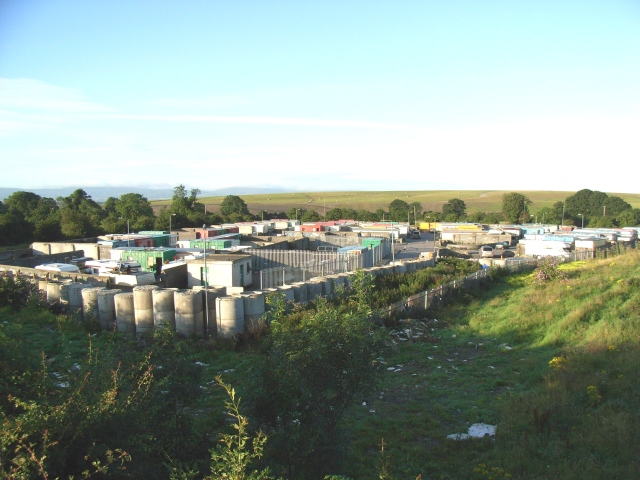
Many Travellers continue to live on sites such as the ones described above, motivated by a deep cultural yearning for proximity to kin, and for some it is preferable than to be placed in a house, in a hostile housing estate, many miles from anyone who knows them, cares for them or will support them. The family, including respect for the older generations and the celebration of marriage and children, is at the heart of Traveller culture. The importance of these values cannot be overstated, and in a context where Travellers find themselves excluded from mainstream services that the settled community take for granted, the safety of the family unit becomes ever more important.

Power Issues: Energy Poverty in Irish Traveller Communities

“I can’t afford to keep the place warm. The second the heater goes off it’s freezing, there’s no double glazing, no insulation. The children go to bed early with extra blankets, it’s the only way to keep them warm […] I sit up with a candle rather than turn on the lights because I can’t afford the electric.”

The Promise of Theology from the Edgelands

In the 1970s, James Cone shocked the church from its immoral slumber on racism by declaring that God is black. Horne reminds us that Christ is Traveller.

“Advise, assist and befriend”: Client Perspectives on Probation from the 1980s to Present-day

“Advise, assist and befriend” was first introduced into the Irish probation lexicon under the Probation of Offenders Act 1907 which was enacted prior to Ireland’s independence from Britain. Section 4 of the Act provides that the probation officer must ensure that the person under supervision abides by the terms of their order and in doing so is required to “advise, assist and befriend” them. 

Editorial

I have suggested that rehabilitation is a noble pursuit because it is a creative act and requires vision and imagination. But these insightful essays, taken as a whole illustrate that rehabilitation is an act of hope.

Co-op Care – the Case for Co-operative Care in Ireland

Co-operatives in the care industry are currently not the norm in Ireland and suffer from their niche position. For the potential of elder care co-operatives to be fulfilled a number of supports and initiatives would need to be implemented.[35] These include support from other co-operatives, increased awareness of co-operatives among care beneficiaries and care sector providers and greater support from the State.

A Year in Irish Prisons: Chaplains’ Annual Reports

The determined efforts and commitment of Prison Chaplains in the difficult working environment of prisons is clearly evident. While the support of the Irish Prison Service for chaplaincy is regularly acknowledged, the annual reports also highlight shortcomings within the prison system and the wider criminal justice system. 

Delegating Love

Ireland spends just 0.2% of its GDP on childcare each year, investing the smallest percentage of its GDP in early years of any developed country, and with the greatest reliance on private services. The average spend across Europe is four times as high. When it comes to old age spending, Ireland also sits at the bottom of the league table at 3.4%.

Editorial

Reading these essays, the threads that interconnect the different elements of care in our society are clear. When you lack care for one aspect of existence it is easy to imagine this seeping into all other areas.

Working with Families from Direct Provision Centres in Cork

Several of the women I speak to tell me they were in Direct Provision for more than five years. They have had children in that time, children who still do not know anything other than sharing just one room with their family in an overcrowded centre full of people. When you have lived in an institution for a long period of time, the constraints can start to feel like safety. One woman tells me that she has had her papers for a couple of months and is preparing for the move out of the centre, but her relief at leaving is tinged with trepidation. At least in the centre, she says, there are always others to turn to, but “nobody looks out for you outside.”

Forced Displacement: Well-Founded Fear of Home

Global threats to human security and safety require a global response. On 17 December 2018, the UN General Assembly affirmed the Global Compact on Refugees (GCR).[16] The main objectives of the GCR are to: ease pressures on countries that welcome and host refugees; build self-reliance of refugees; expand access to resettlement in third countries; and support conditions in countries of origin for safe return. Undoubtedly, the GCR has admirable goals and a vision to effect positive change for refugees and forcibly displaced persons worldwide. However, the challenge is to ensure the high-level commitments translate into actions that address the needs on the ground and impact positively on the lives of forced migrants and their families.

A World of Flows, Woes and Foes: Growth, Capitalism and Climate Breakdown

That is the way we should be thinking about the planetary crisis, in terms of new opportunities for rethinking the good life, rethinking human relationships with each other, rethinking human relationships with the earth, and so on at this time. Contrast this to the dominant public discussion of this issue in terms of framing it (and therefore delimiting it) to a continuation of business as usual. The effect of this is to maintain capitalism, consumerism, and our lifestyles as they are now, but perhaps drawing on renewable energy to do so.

Forced Displacement in a Global Context

As the UN High Commissioner for Refugees (UNHCR) has recorded, between 1990 and 2010 there was a fairly consistent level of global forced displacement of between 30-50 million people per annum. However, the past 10 years have seen a significant increase in all forms of forced displacement, defined by UNHCR as displacement resulting from “persecution, conflict, violence, human rights violations or events seriously disturbing public order.”

False Accounting: Why We Shouldn’t ask People Who Commit Crimes to Pay their Debts to Society

It does not work to replace ‘paying your debts’ with ‘repairing the harm’, then. Drawing on the work of penal theorist Antony Duff, we suggest the metaphor of “fulfilling a civic obligation” as an alternative tool to guide our responses to crime. Duff argues that, done very differently, “criminal punishment could and should be inclusionary, as something we can do, not to a ‘them’ who are implicitly excluded from the (law-abiding) community of citizens, but to ourselves as full, if imperfect, members of that community.”[15]