Article Category: Health Issues

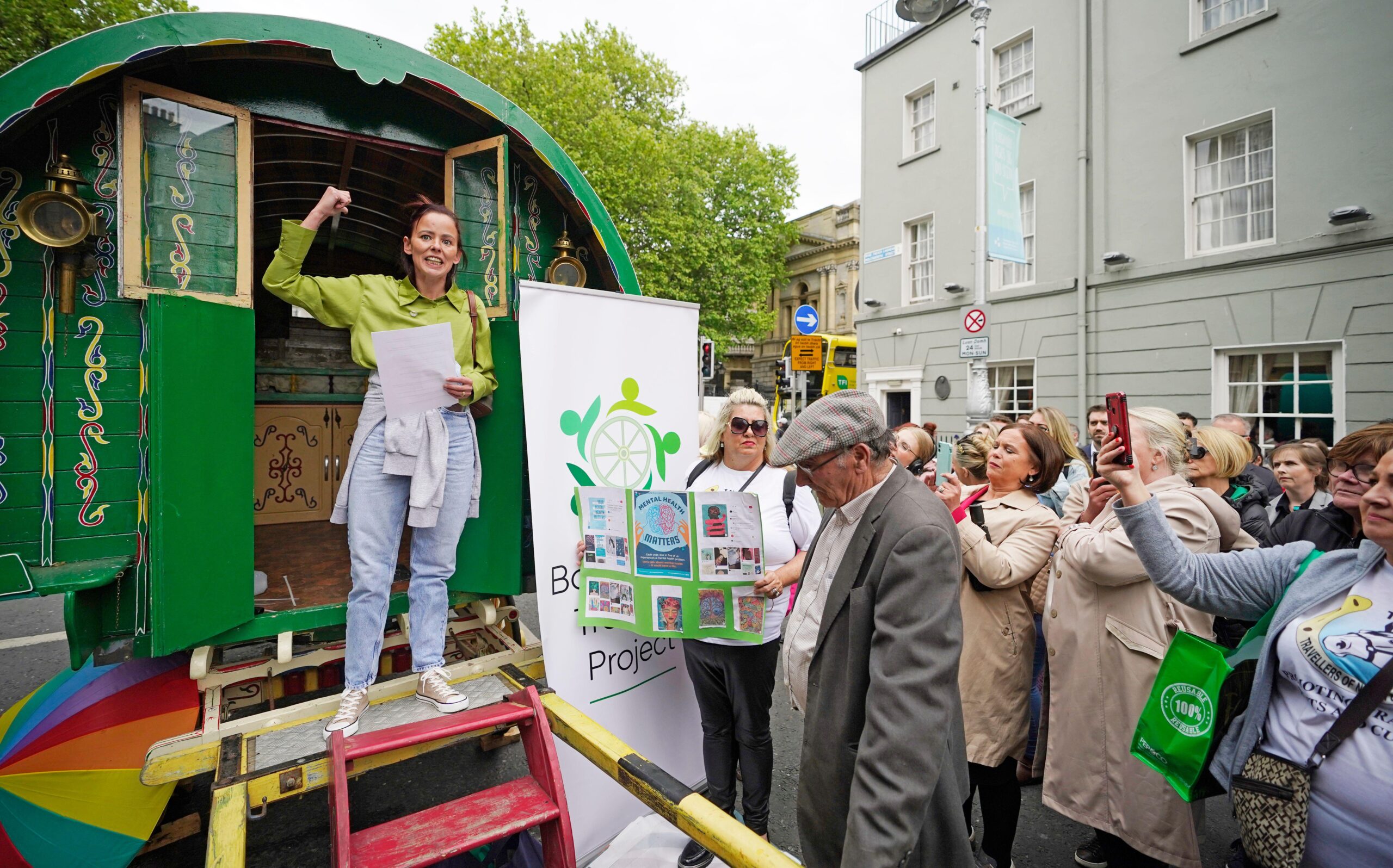
Where Is My Mind: Traveller Accommodation and Mental Health

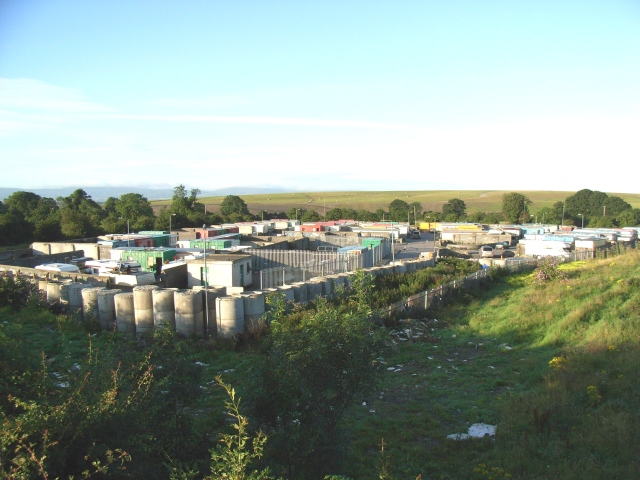
Many Travellers continue to live on sites such as the ones described above, motivated by a deep cultural yearning for proximity to kin, and for some it is preferable than to be placed in a house, in a hostile housing estate, many miles from anyone who knows them, cares for them or will support them. The family, including respect for the older generations and the celebration of marriage and children, is at the heart of Traveller culture. The importance of these values cannot be overstated, and in a context where Travellers find themselves excluded from mainstream services that the settled community take for granted, the safety of the family unit becomes ever more important.
Power Issues: Energy Poverty in Irish Traveller Communities

“I can’t afford to keep the place warm. The second the heater goes off it’s freezing, there’s no double glazing, no insulation. The children go to bed early with extra blankets, it’s the only way to keep them warm […] I sit up with a candle rather than turn on the lights because I can’t afford the electric.”

Co-op Care – the Case for Co-operative Care in Ireland

Co-operatives in the care industry are currently not the norm in Ireland and suffer from their niche position. For the potential of elder care co-operatives to be fulfilled a number of supports and initiatives would need to be implemented.[35] These include support from other co-operatives, increased awareness of co-operatives among care beneficiaries and care sector providers and greater support from the State.

Housing Rights for Disabled People

At present there are few options for disabled people to acquire the necessary supports to live independently. This is having a significant impact on disabled people and their families. Disabled people are aging in the family home with their parents. There is a denial of a right to live independently, coupled with an onus on families to provide care when they are aging.

Delegating Love

Ireland spends just 0.2% of its GDP on childcare each year, investing the smallest percentage of its GDP in early years of any developed country, and with the greatest reliance on private services. The average spend across Europe is four times as high. When it comes to old age spending, Ireland also sits at the bottom of the league table at 3.4%.

Editorial

Reading these essays, the threads that interconnect the different elements of care in our society are clear. When you lack care for one aspect of existence it is easy to imagine this seeping into all other areas.

Letter from the Director of the Jesuit Centre for Faith and Justice

  As we go to press with this issue of Working Notes, we at the Jesuit Centre for Faith and Justice are keenly aware of how the theme of “Integral Ecology” might appear distant from the pressing concerns of the pandemic. But appearances can deceive. While Pope Francis does not mention the risk of novel… Read more »

Ageing, Risk and Housing in Ireland

In the early 1990s, Professor Anthony Clare addressed a Dublin conference audience of some 300 people. It was an inspiring address and among the words that resonated were the following: “‘The elderly’ are not ‘them, out there’; ‘the elderly’ are us, writ large writ later.” Pithy and fundamentally true, it is a good starting point… Read more »

Alcohol: A Key Public Health Issue

The television documentary, When the Party’s Over, presented by Dr Mark Hamilton and broadcast on RTE just before Christmas 2008, provided many memorable images of Ireland’s current drinking habits and of the consequent impact on individuals and society as a whole.

Universal Health Insurance: What is it and would it be effective in Ireland?

The Irish health care system is failing to meet the needs and expectations of Irish people in so many different areas where care ought to be provided.1 Dominating a range of failures in the system is the fact that care is provided in an inequitable manner. This is despite the stated commitment of the 2001 Health Strategy, Quality and Fairness, and of its 1994 predecessor, Shaping a Healthier Future, that ‘equity’ would be one of the core values underpinning Irish health care

Some Christian Perspectives on Health and Sickness

Introduction ‘There’s nowt so queer as folk’ – this, now non-politically correct, maxim from the North of England applies pretty well to the common human experience of taking good health for granted, while becoming anxious at the onset of illness. But, of course, there may be good reason for such anxiety – even minor ill-health… Read more »

Irish Health Services: Money, Inequality and Politics

On 10 March 2009, the Minister for Health and Children, Mary Harney TD, said in the Dáil that emerging pressures on the finances of the Health Service Executive (HSE) would mean that savings of €480 million would have to be made elsewhere in its budget over the course of the year. The HSE, however, said on 12 March 2009 that in order to meet the new pressures and stay within budget it would have to make savings in other areas amounting to over €1 billion.

A Horrible Warning? Lessons for Ireland from Michael Moore’s Film, Sicko

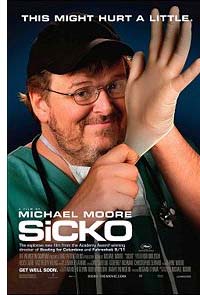
Introduction Michael Moore’s film, Sicko, now on general release, dramatically highlights how the wealthiest country in the world, and one which spends a much larger percentage of its GDP on health than other developed countries, fails to provide an adequate and fair system of care for its citizens. The film carries its message through people’s… Read more »

Health

Everyone agrees that ‘health’ will be one of the major issues in the coming General Election. In reality, however, it is not health but health services that will be the focus of debate. But the state of the nation’s health ought to merit some serious attention, and some promises of action, by those who would aspire to form the next government.

Alcohol and Drugs

One of the notable features of prosperous Ireland has been its level of spending on alcohol and illegal drugs. The Strategic Task Force on Alcohol report of 2004 calculated that the country’s annual expenditure on alcohol of nearly €6 billion of personal income in 2002 represented €1,942 for every person over fifteen years of age.1… Read more »

Getting to Grips with Ireland’s Alcohol Problems

Recent months have seen the publication of two important reports on alcohol in Irish society – the Report on Alcohol Misuse by Young People, issued by the Oireachtas Joint Committee on Health and Children in June 2004, and the Second Report of the Strategic Task Force on Alcohol, which was published in September. (1) These… Read more »