
Archives: Articles

IssueM Articles

Green background with a single-line peace dove

Editorial

Dr Ciara Murphy “Every war leaves our world worse than it was before. War is a failure of politics and of humanity, a shameful capitulation, a stinging defeat before the forces of evil.” Pope Francis, Fratelli Tutti Pope Francis in Fratelli Tutti articulates the utter devastation which war leaves in its wake.1 As the Irish… Read more »


a cartoon image of four politicians standing at podiums arguing and pointing to each other while there is a globe with explosive war happening in front of them as they ignore it

Overturning the Economics of War to Deliver a Co-operative Future and Peaceful Green Prosperity

Deborah Burton and Dr Ho-Chih Lin Deborah Burton is one of the co-founders of Tipping Point North South, a non-profit set up by former debt, trade and tax justice campaigners to work across both the creative and NGO sectors through campaigns, events and cinema documentary production. She leads on Tipping Point North South’s primary policy/advocacy… Read more »


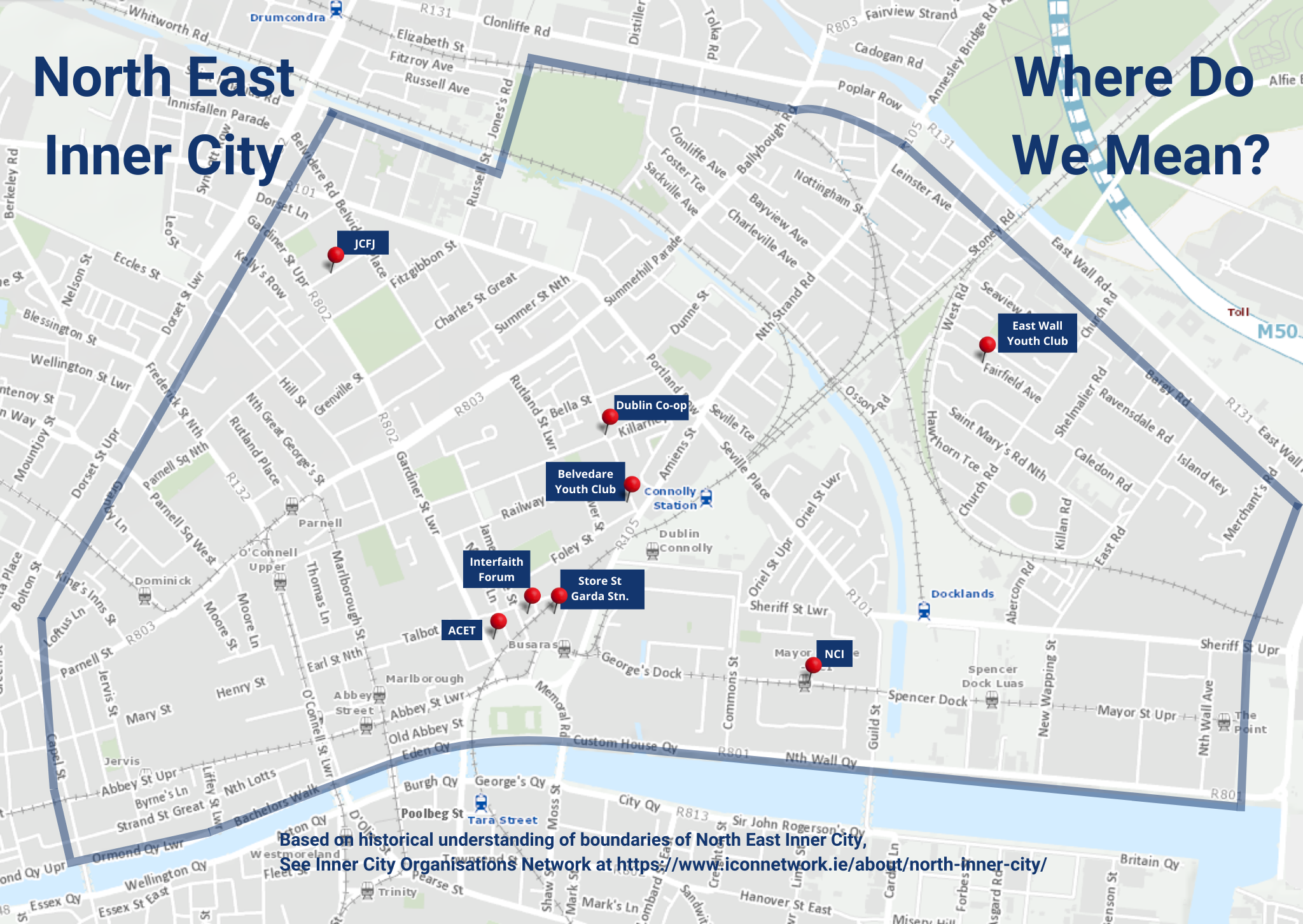
A map of the North East Inner City with Interfaith forum, ACET, East Wall Youth, JCFJ, NCI, Dublin Co-op, and Belvedere Youth Club labeled

Editorial

Martin Luther King famously said that “a riot is the language of the unheard.”1 The ordinary people of the North-East Inner-City were not involved in the riots; they are its victims. But their voices remain largely unheard. We hope that this issue of Working Notes helps raise the voices of the people of the North-East Inner- City and that the many brilliant initiatives they sustain become more famous than the tired stereotypes and caricatures that seem to dominate among our political leadership. My neighbours deserve that.


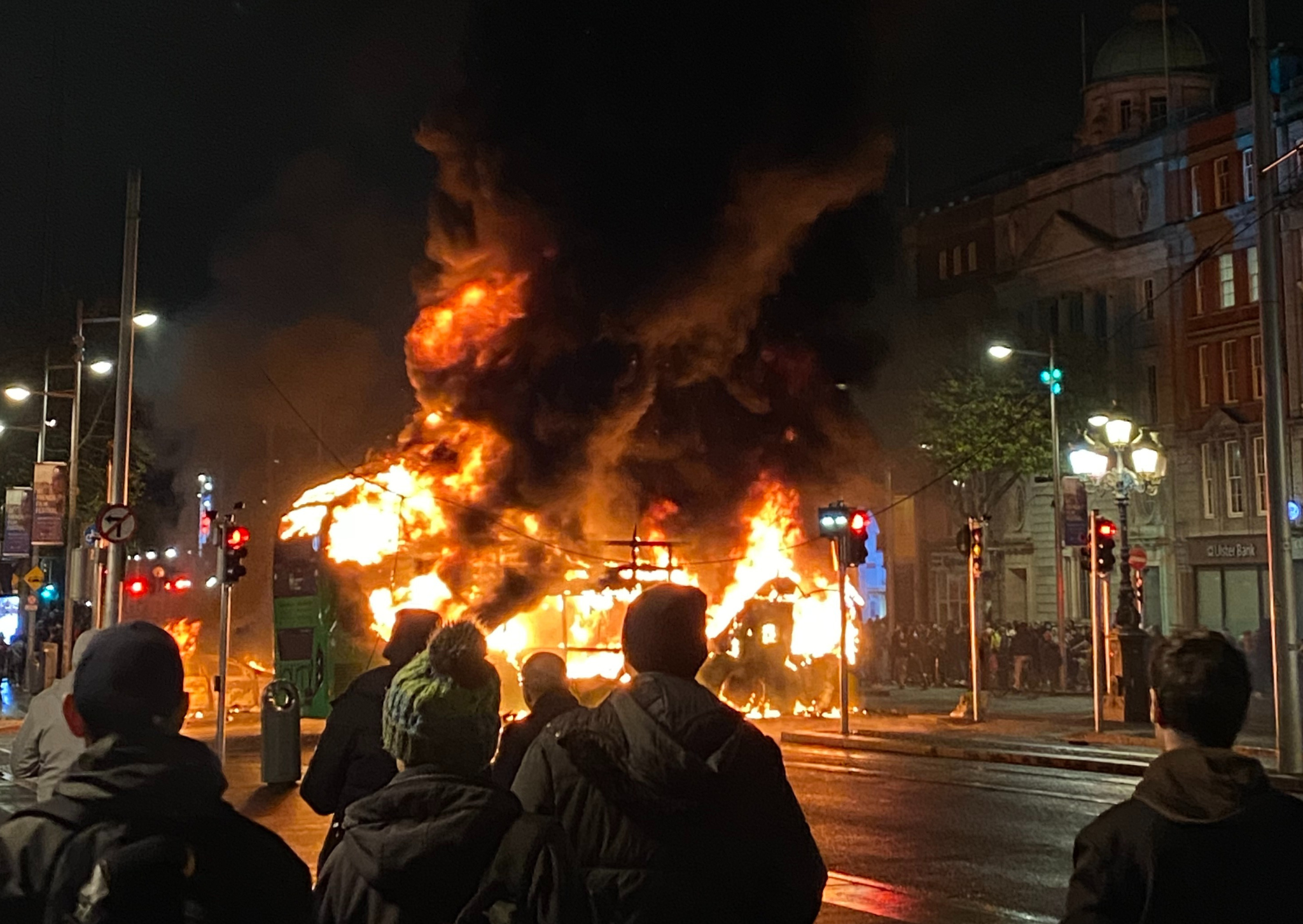
Image of Dubliners watching a dublin bus and luas buring on O'Connell Street

Reading the City Centre Riots: Thoughts, Feelings and Reactions of the Dublin Community Co-op

Unaddressed social issues are the bedrock upon which extremist actors have been able to incite racism and
violence against migrants.


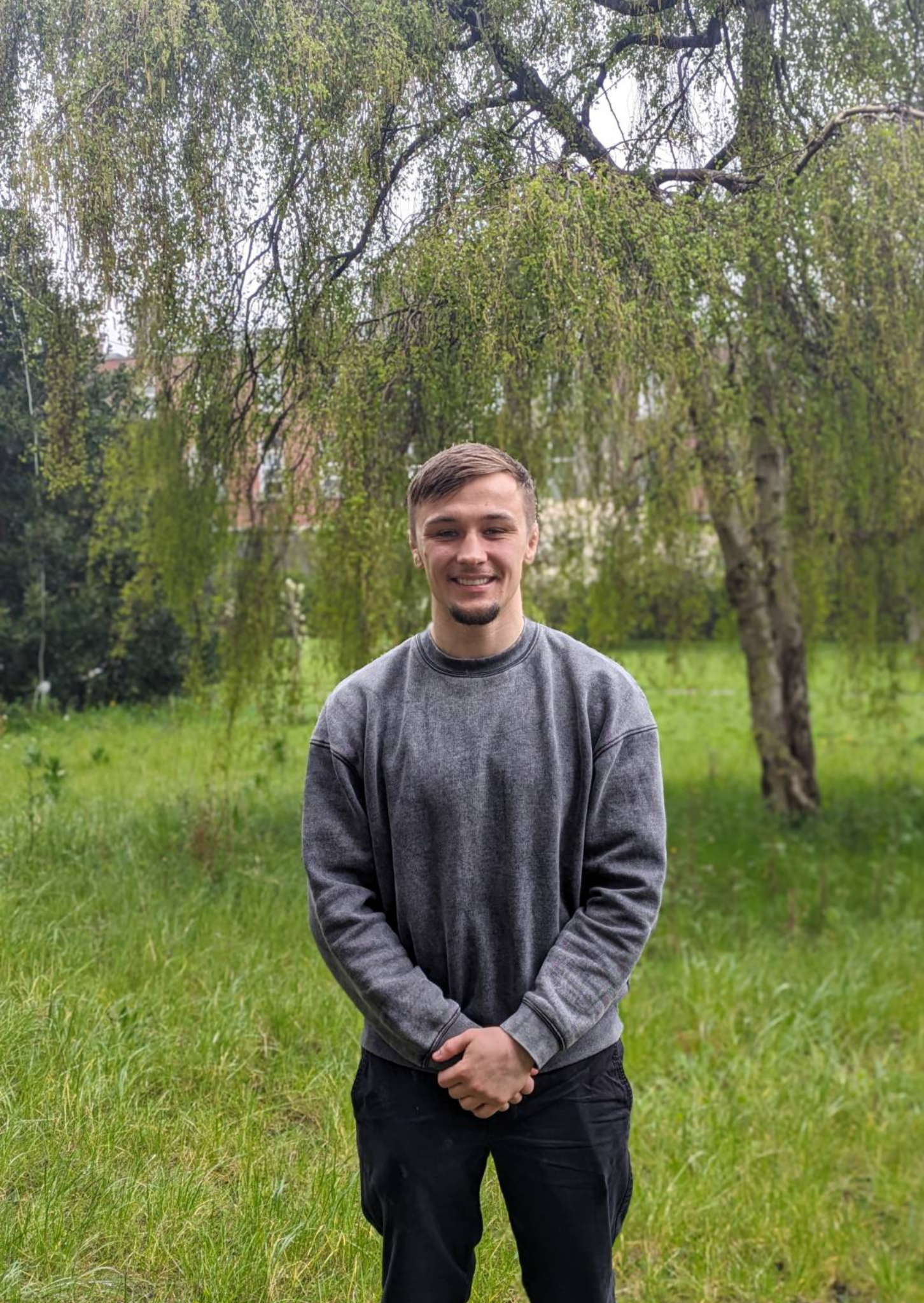
Young man with Sandy blonde hair

Humans of the NEIC – Lewis

Lewis Byrne was born and raised in Ballybough and is a Community Worker with Dublin Community Co-Op.


Women and child working together over school work

Early Childhood Home Visiting- a Critical lifeline for families in Dublin’s Inner City.

Resilience is the ability to bounce back from
adversity, adapt to challenges, and recover
from setbacks. While Dublin City Council
workers cleaned up the streets after the
riots and restored the physical space, Home
Visitors were addressing the emotional and
mental trauma experienced by children and
families and supporting them to recover
from these awful events.


Image of Adrianne a women, with brown hair, wearing the ELI uniform pink shirt and blue jacket and smiling

Humans of the North-East Inner-City: Adrianne

Adrianne works in ELI and has been a Parent-child plus Home Visitor for 16 years. Born in the NEIC and raising her own family here.


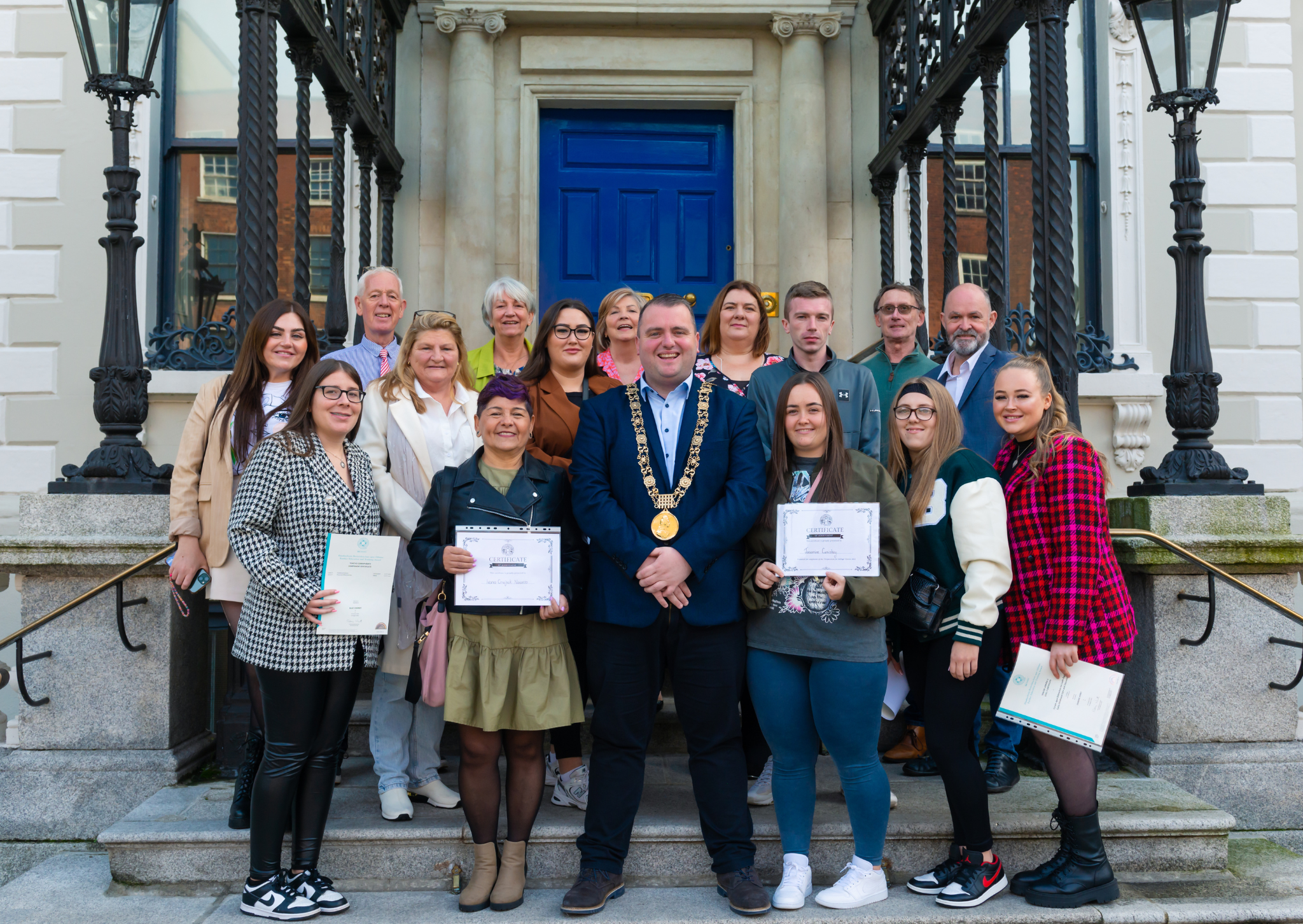
16 people from the community after schools Project Awards, recieving awards

Community education and the NEIC

The popular idea of formal education and raising educational outcomes as a way out of disadvantage is not true.8 It is more challenging for disadvantaged children to engage in education and achieve curriculum outcomes compared to their better off peers. The hidden curriculum with its unwritten rules and expectations of the dominant culture, makes it more difficult for children from disadvantaged communities to thrive in school. Schools provide an advantage to those already advantaged by their cultural capital and established security as beneficiaries of the status quo.


Smiling Amy with brown hair in a ponytail, light green glasses, and a darker green long sleeve top

Humans of the North-East Inner-City Amy

Amy Cooney is a ELI Parent plus worker, born and raised in NEIC


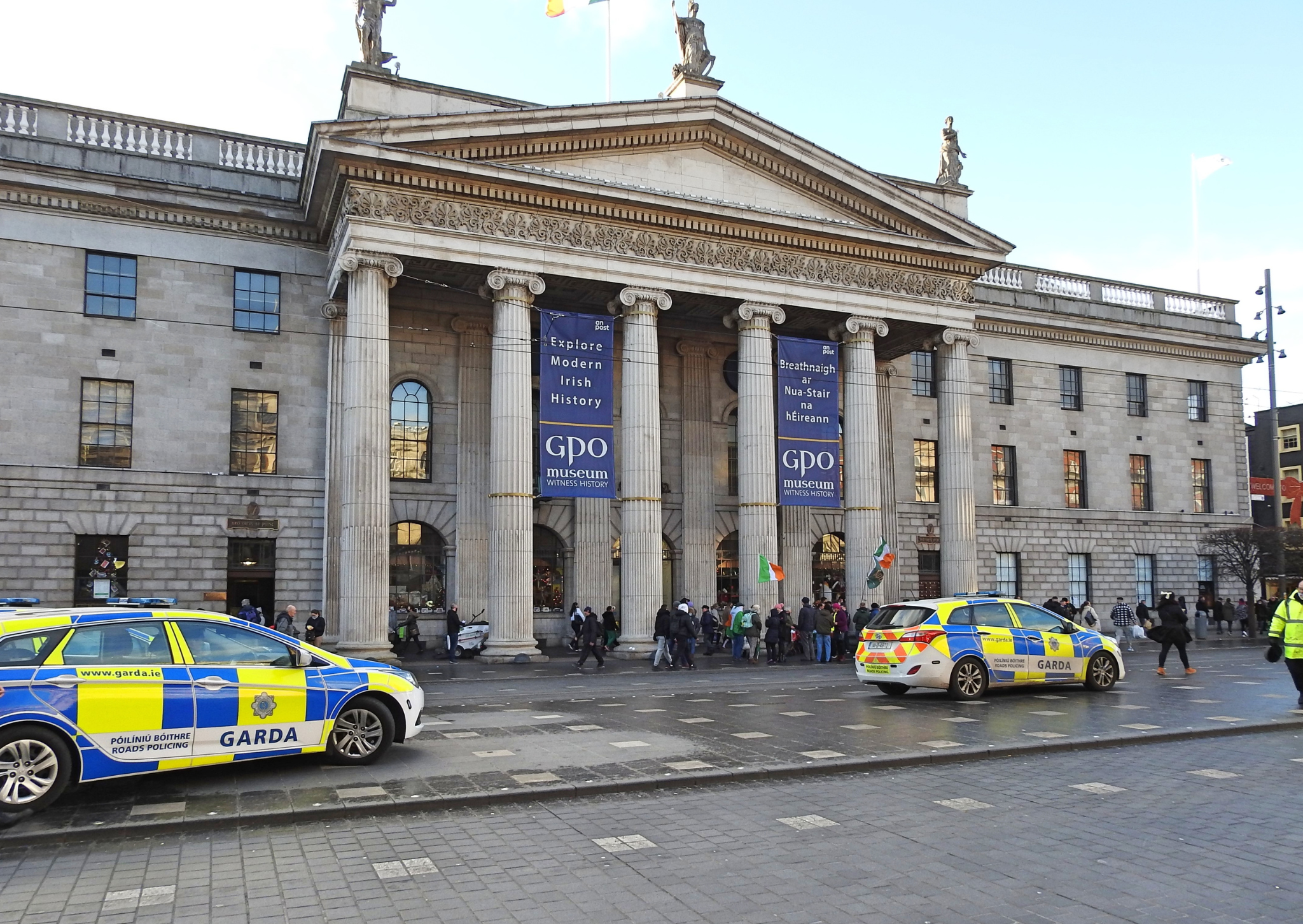
two Garda Cars parked outside the GPO Museum

Stretched to the Limit: Policing in Dublin’s North-East Inner- City

Children’s access to an illicit drug free
environment is not possible. There are knock on
effects for their life chances – restricted
education opportunities or a pathway to
serious crime. As the neglect of these areas
continues, the illegal drug industry could
become integral to the economy of the
area


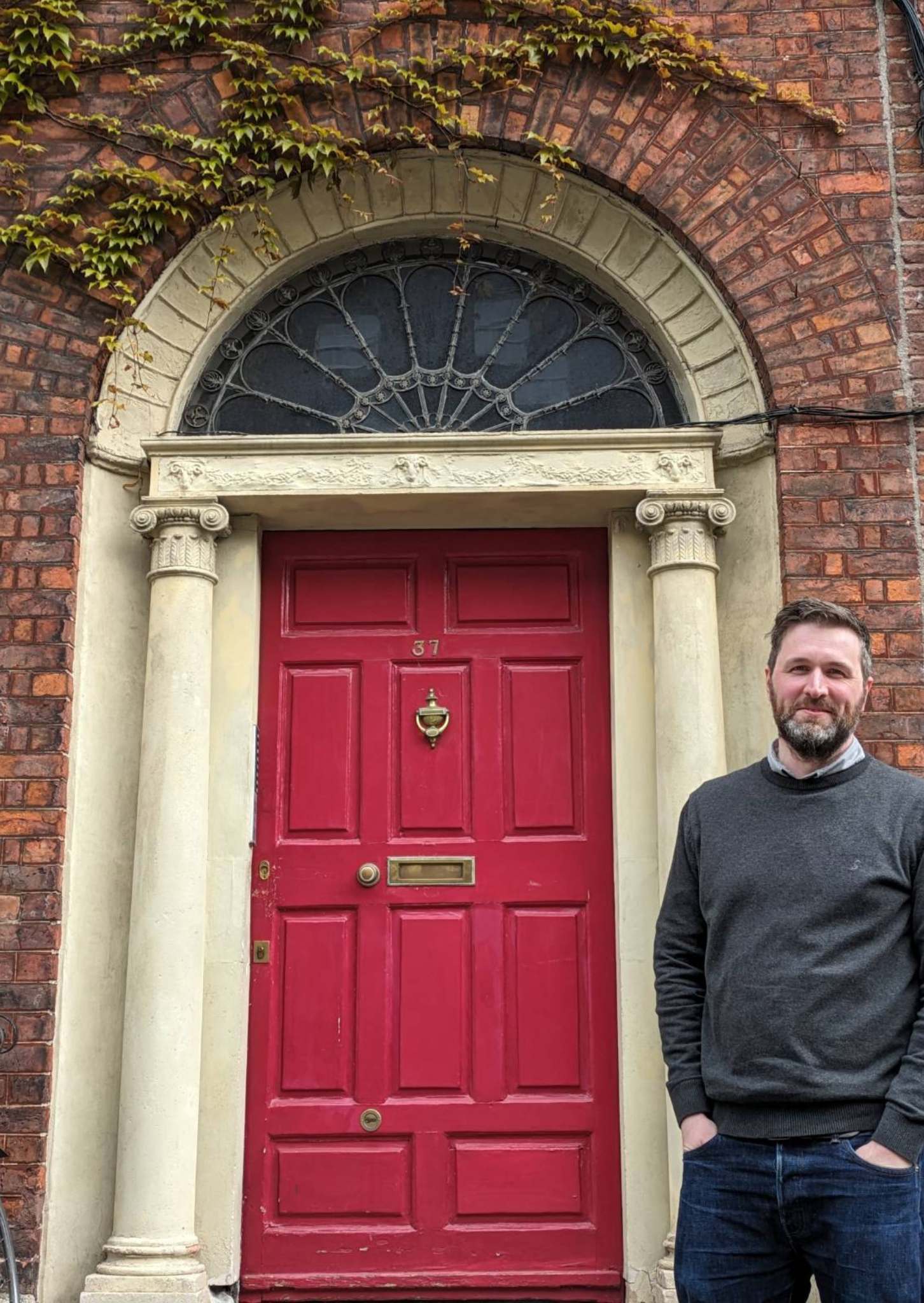
Ian wearing in a grey nit sweater over a button down shirt. Smiling in front of the red door of his office on North Great George Street

Humans of the North-East Inner-City Ian

Ian Tracy is an Architect based on North Great George Street for 12 years. 


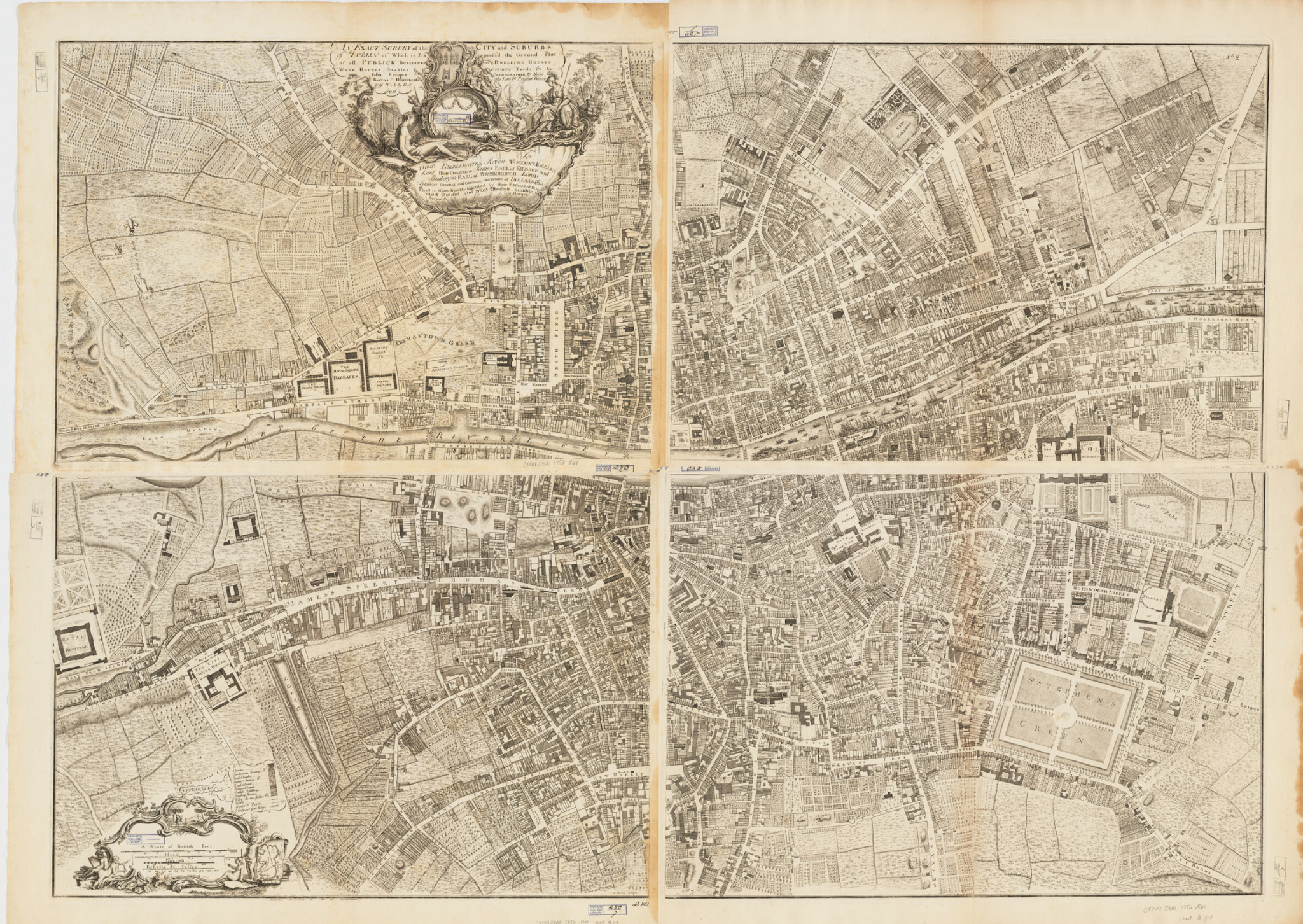
A map of Dublin from 1756.

This is the Air We Breathe: Sharing suburban place and story in the North-East Inner-City of Dublin.

Every time you go from one neighbourhood and enter another and see an inequality and say ‘that is the way it is’ you are calling that which is demonic, natural.


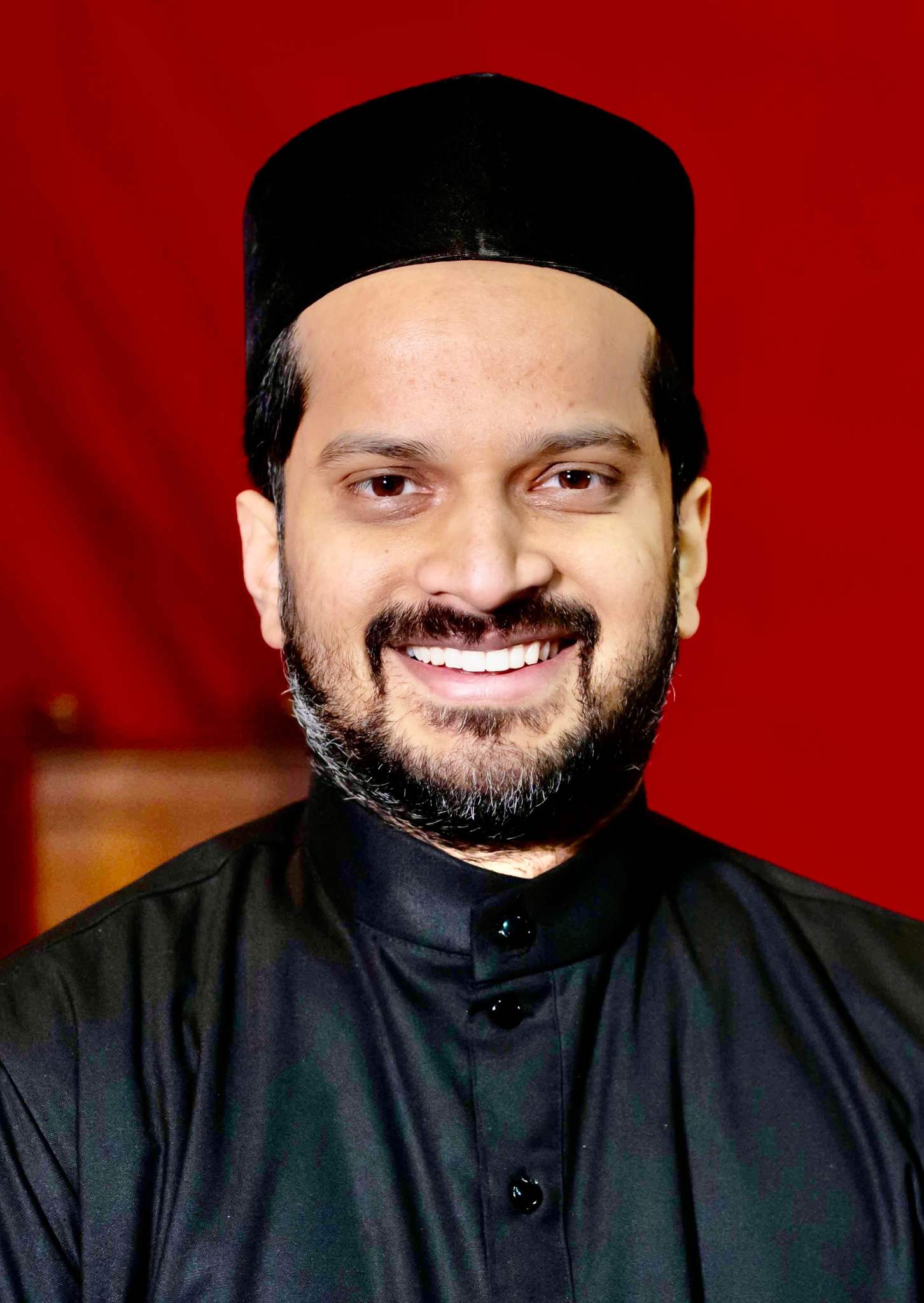
A smiling man in his all black priestly Indian Orthodox garb

Humans of the North-East Inner-City: Fr. Anish

Fr. Anish John is the Indian Orthodox Priest for the Parish worshipping at Cathal Burgha St. George Street’, a Migrant and a Father. 


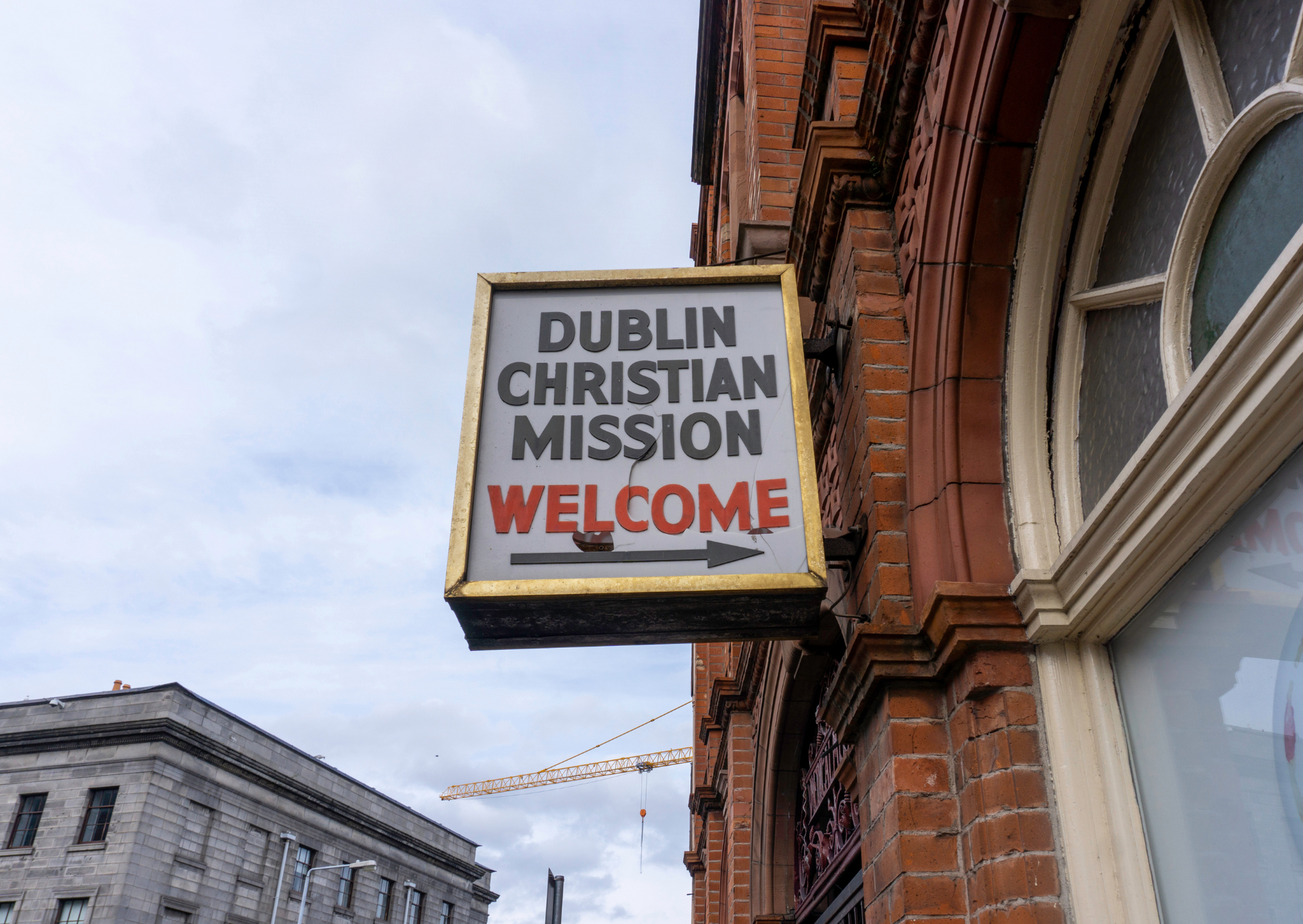
sign hanging in a brick wall saying Dublin Christian Mission Welcome

The Changing Faith of Dublin’s North-East Inner-City: Building Bridges Across Communities with Dublin City Interfaith Forum

In 2006, in the North-East Inner-City of Dublin alone, the scale of the change in the religious landscape was staggering and evident to those paying attention.


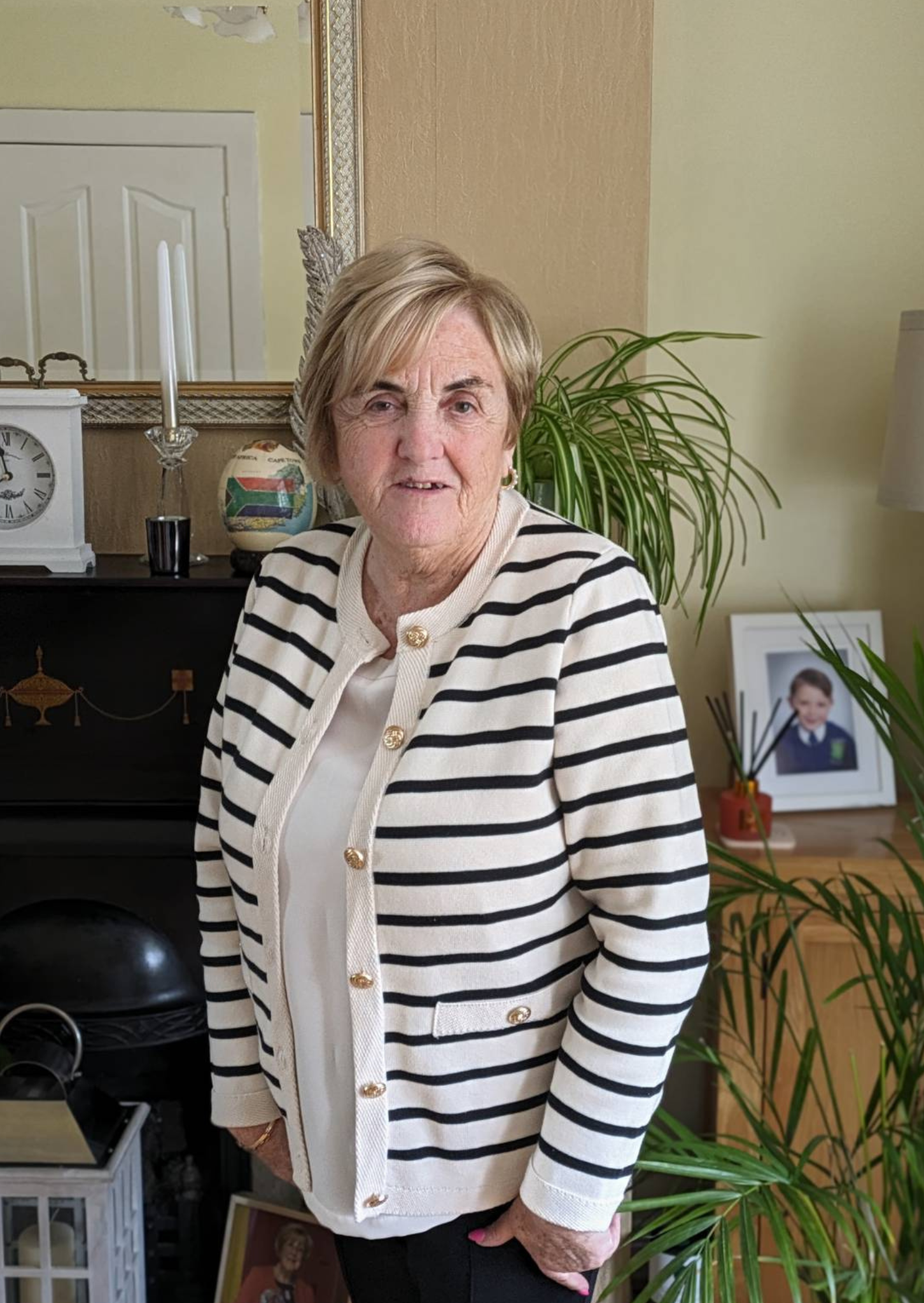
A smiling lady wearing a white Blazer with black stripes and gold buttons. She has light blonde hair and she's has a lovely smile and pink nails

Humans of North-East Inner-City: Carmel

Carmel Cosgrove is a volunteer and founding member of East Wall Youth, Founding member of HOPE, Board member of Friends of Gateway and previous Lord Mayor of East Wall. 


From a Just Hope to a Just Wage Economy

by Daniel Graff and Clemens Sedmak Prof. Dan Graff is professor of practice in the Department of History and director of the Higgins Labor Program of the Center for Social Concerns at University of Notre Dame. He is the recipient of Notre Dame’s 2023 Rev. William A. Toohey, C.S.C., Award for Social Justice and won… Read more »


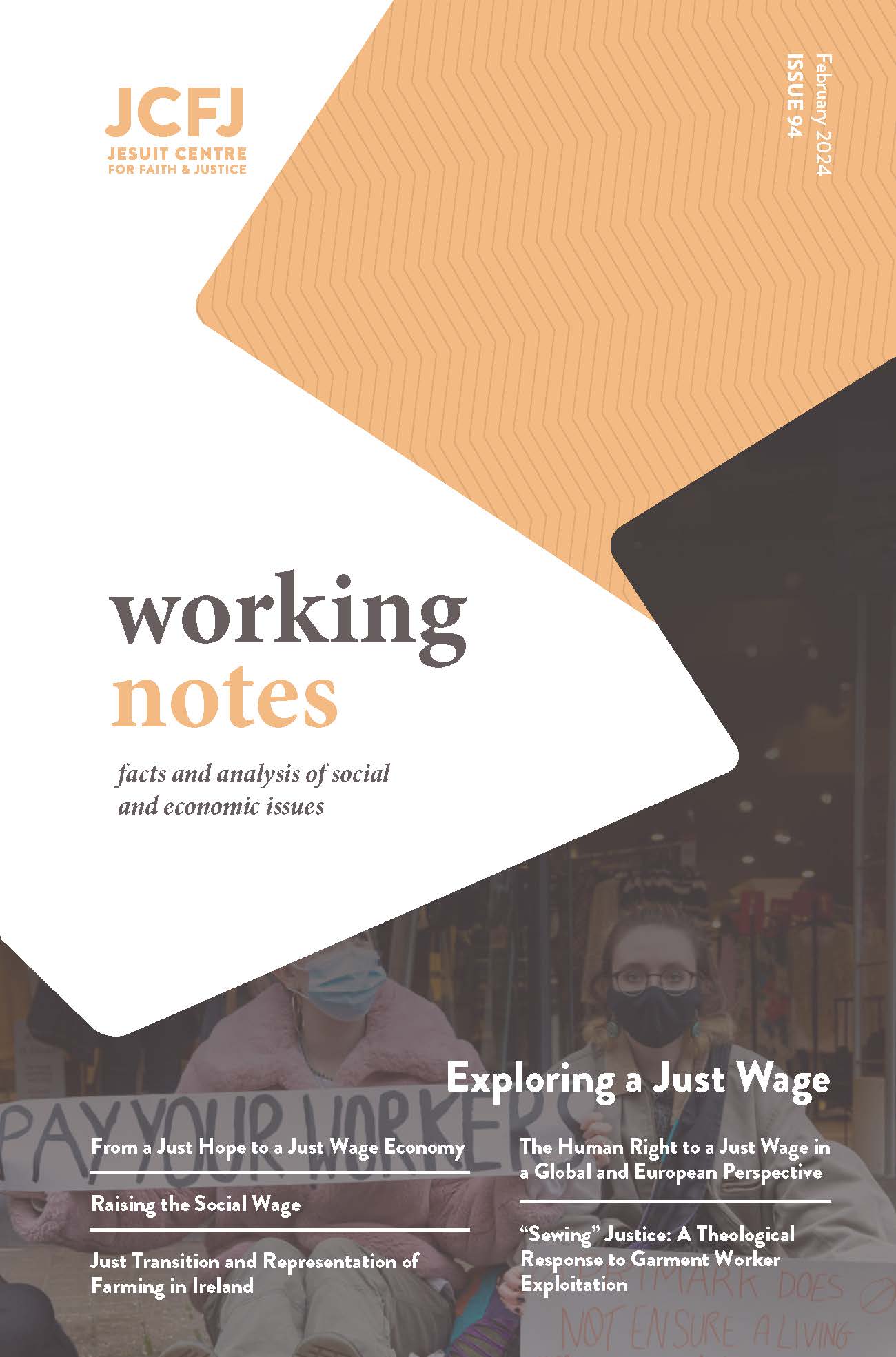
Peach and grey toned Working notes covered. An image of protesters sitting with masks on in front of a store asking to be paid a livable wage.

Editorial

The Just Wage Initiative is an interdisciplinary project based in Notre Dame University’s Center for Social Concerns. Working since 2017, and deeply rooted in the Catholic Social Teaching tradition, this initiative has established seven basic criteria which must be met to ensure a given wage is just. Developed between academics, employers, employees, and other stakeholders,… Read more »


Raising the Social Wage

Written by Dr. Laura Bambrick Dr Laura Bambrick is the Social Policy & Employment Affairs Officer at the Irish Congress of Trade Unions. Congress is the umbrella body for 46 unions and seven associate members, representing over 700,000 workers and their families, and the largest civil society organisation on the island of Ireland. Introduction The… Read more »


Just Transition and Representation of Farming in Ireland

Written by Prof. Patrick Brereton Prof. Patrick Brereton is an emeritus Professor at the School of Communications at Dublin City University. His most recent monograph was Essential Concepts of Environmental Communication: an A-Z Guide (London: Routledge, 2022) and he was one of the editors on the important Palgrave volume, Ireland and the Climate Crisis (2020).… Read more »


The Human Right to a Just Wage in a Global and European Perspective

Written by Professor Dr. Andreas Müller Professor Dr. Andreas Müller, LL.M. (Yale) holds the Chair of European Law, International Law and Human Rights at the University of Basel. His research focuses, amongst others, on international and European human rights law.   The core dimensions of the right to a just wage The right to a… Read more »


“Sewing” Justice: A Theological Response to Garment Worker Exploitation

Written by Céire Kealty Céire Kealty is a PhD candidate in Theology at Villanova University and freelance writer, exploring Christian spirituality, environmental ethics, and the global garment industry. Restless Distractions In his work Confessions, St. Augustine identifies a deep restlessness in every human heart. He insists that this restlessness finds its release in God;[1] advertisers… Read more »


Irish Travellers and Prison: Discrimination, Education, and Lateral Violence

Travellers are loose threads in the fabric of Irish society. They exist at the edges rather than being interwoven into the whole. This is often excused by settled people as being their choice, and even their fault. We have all heard about, and read about in the media, Travellers’ propensity to crime and disruption. But what we don’t hear about is Travellers’ struggles to exist and find their place in a society that was designed for a settled lifestyle.


Where Is My Mind: Traveller Accommodation and Mental Health

Many Travellers continue to live on sites such as the ones described above, motivated by a deep cultural yearning for proximity to kin, and for some it is preferable than to be placed in a house, in a hostile housing estate, many miles from anyone who knows them, cares for them or will support them. The family, including respect for the older generations and the celebration of marriage and children, is at the heart of Traveller culture. The importance of these values cannot be overstated, and in a context where Travellers find themselves excluded from mainstream services that the settled community take for granted, the safety of the family unit becomes ever more important.


Power Issues: Energy Poverty in Irish Traveller Communities

“I can’t afford to keep the place warm. The second the heater goes off it’s freezing, there’s no double glazing, no insulation. The children go to bed early with extra blankets, it’s the only way to keep them warm […] I sit up with a candle rather than turn on the lights because I can’t afford the electric.”


The Promise of Theology from the Edgelands

In the 1970s, James Cone shocked the church from its immoral slumber on racism by declaring that God is black. Horne reminds us that Christ is Traveller.