

Spoiler alert! Hot Fuzz
The 2007 film Hot Fuzz is set in a town which regularly wins the tidy towns competition; there is no graffiti, living statues or underage drinkers. A secret cabal, sinister hooded tidy-town zealous residents, decides what action needs to be taken – usually involving murder – ‘for the greater good’. This undemocratic process leaves a lot to be desired, including the fact that the majority of the residents of the village didn’t agree that a tidy town is particularly worth mass murder.
While not quite as egregious, the process by which the Irish Government decides what is for the Greater Good, the common good, of strategic importance or even what is essential infrastructure is similarly opaque. While there may not be a secret cabal, ‘expert reports’, consultants’ opinion and Government ministers influenced by intensive lobbying by interested groups often decide what is for the greater good of the country. This strategy does not leave much room for a truly democratic conversation or even, in some cases, serious reflection on the reality of the ecological or social crises.
Energy Before All Else
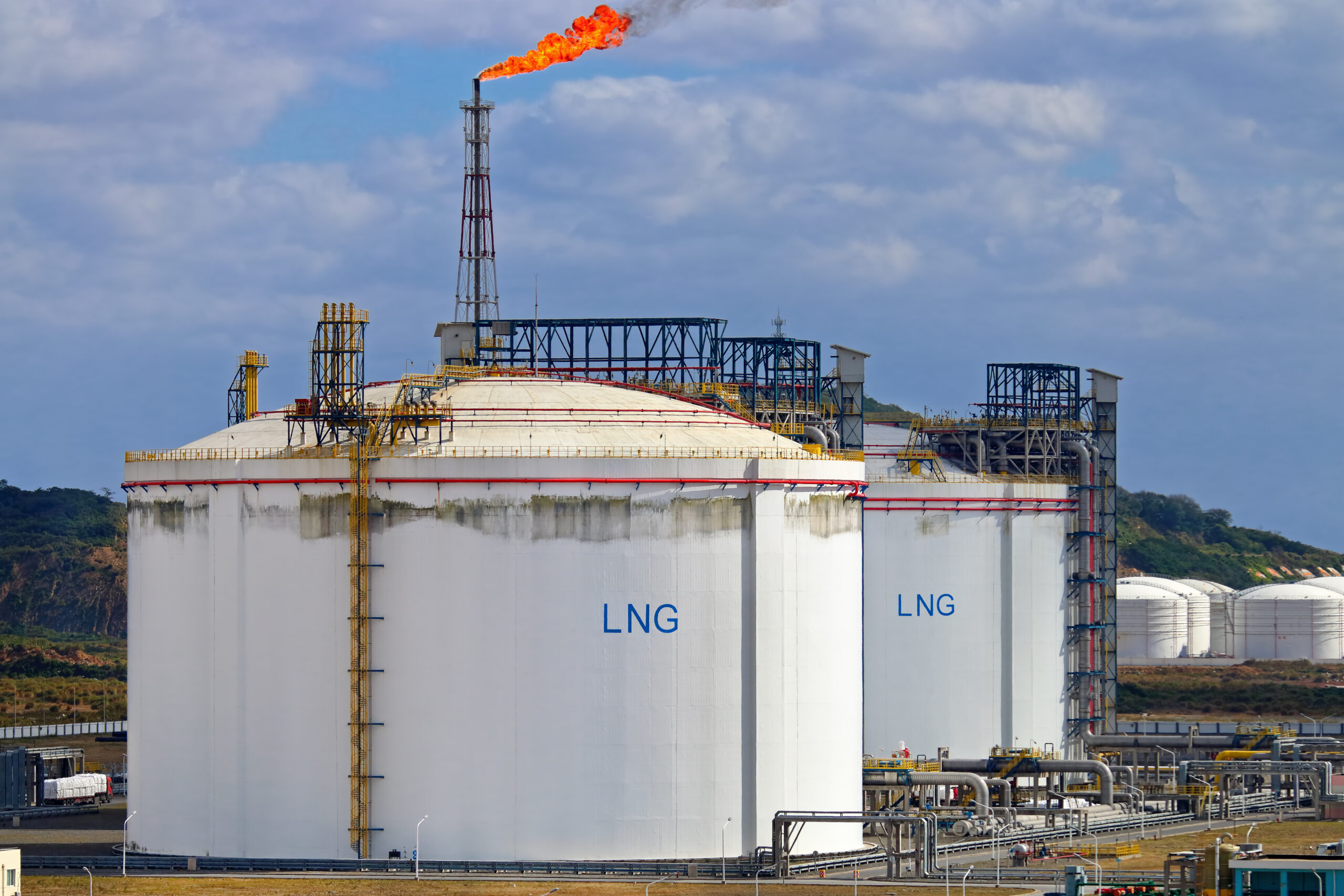
The Strategic Gas Emergency Reserve Bill 2025 provides a legislative basis to fast track the development of a national strategic gas emergency reserve. The Bill also aims to address the requirements of the Climate Act in a bespoke manner. The premise of the Bill is that Ireland is energy insecure and the solution to that should be to build a massive fossil fuel infrastructure and import gas, primarily fracked gas from the US. The Bill maintains that this infrastructure is ‘in the public interest’. The bespoke manner which this Bill fulfils the requirements of the Climate Bill is to deem it so.
This legislation conveniently bypasses the public interest of a stable and healthy climate which any fossil fuel infrastructure puts further out of reach. It ignores the environmental devastation that fracking – the method by which most of the gas would likely be produced – wreaks in the source country. It opens Ireland to further fossil fuel infrastructure. Once the door is open to one LNG infrastructure project it is incredibly hard to close the door to others. It could also, ultimately, reduce Ireland’s energy security by allowing us to become reliant on the US for our energy needs. Bringing this particular infrastructure forward also explicitly ignores all other energy security solutions including massively ramping up renewables, energy storage, reducing demand or even increasing the number of interconnectors.
By stating this we are not denying that Ireland has an energy security issue – the two things can be true at the same time. However, keeping both of these realities in equal weight does not result in the proposed infrastructural solution. Addressing one societal issue by completing ignoring another does not pave the way for a harmonious and healthy future.
Evolving Realities
Since this Bill was pushed through a hasty pre-legislative scrutiny process earlier this year the entire reality which this legislation built its foundation on – that an LNG terminal would increase Irelands’ energy security – has shifted. Shipping fossil fuels has become more difficult and incredibly expensive in the wake of the war America and Israel started in the Middle Eastern region. Energy security is never just about supply but also the cost – as fossil fuels become prohibitively expensive Irish citizens will become more energy insecure and impoverished.
When energy security is viewed solely as fossil fuel security and supply, we will never have a holistic grasp of our reality. Ireland can never be truly energy secure if we are completely reliant on importing fossil fuels. Changing geo-political realities mean that what was once secure is now not and what was once cheap is now expensive. Being over-reliant on one specific type of energy, especially when we have a dwindling domestic supply, is not secure – no matter what technical reports or lobbying groups try to tell us.
Concept of societal good – who decides?
Creating a world where resources are shared and infrastructural projects (e.g. public transport and housing) are built for the benefit of society at large is a worthwhile and important vision. Working on mitigating the climate crisis and protecting and restoring ecosystems to ensure ecological function flourishes benefits everyone in society. However, we have a situation where those in power think that they are being sensible and non-ideological but what is really happening is a non-democratic, highly ideological process which undermines environmental and social greater good in favour of perceived economic stability.


