

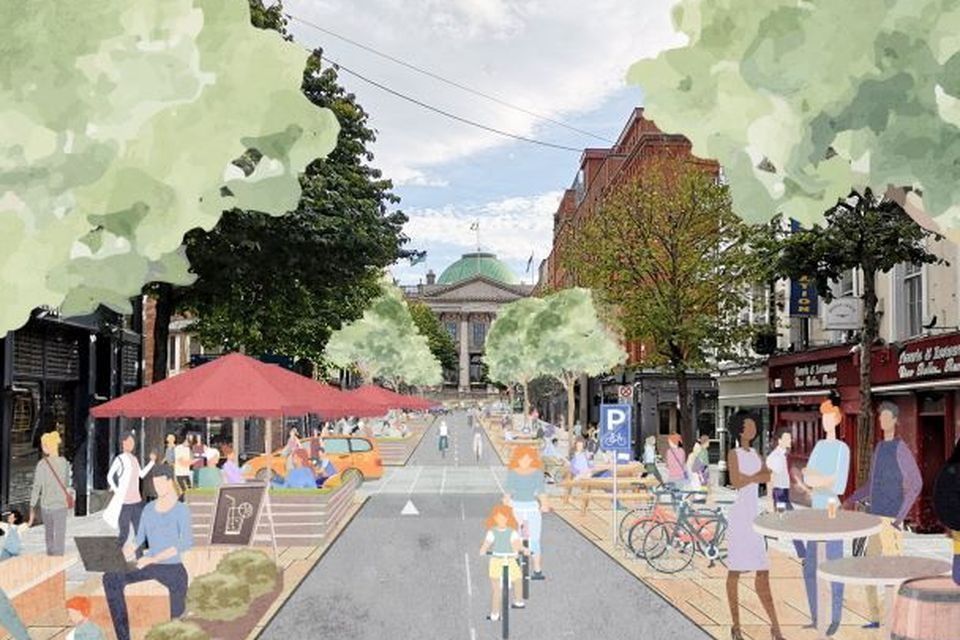
Plan with Dignity
Land use requires a juggling act of different needs. Offices, housing, parking, green space, retail, transport and schools all vie for the same spaces.
Land use requires a juggling act of different needs. Offices, housing, parking, green space, retail, transport and schools all vie for the same spaces.

Environmental politics are heating up. Over the last year, we have observed a backlash to the “Green wave” across the continent. Whether it is farmers in the Netherlands or France or coal workers in Poland, long-forgotten pop stars in the UK, or Irish aviation billionaires, there are increasing signals that large numbers of citizens are… Read more »
Introduction We are in the middle of multiple crises. The lives lost and absolute devastation caused by senseless wars in Gaza and Ukraine, as well as the increasing hostilities towards those seeking refuge in our country, can leave one feeling numb. When so many lives are lost, when there is so much anger and resentment,… Read more »
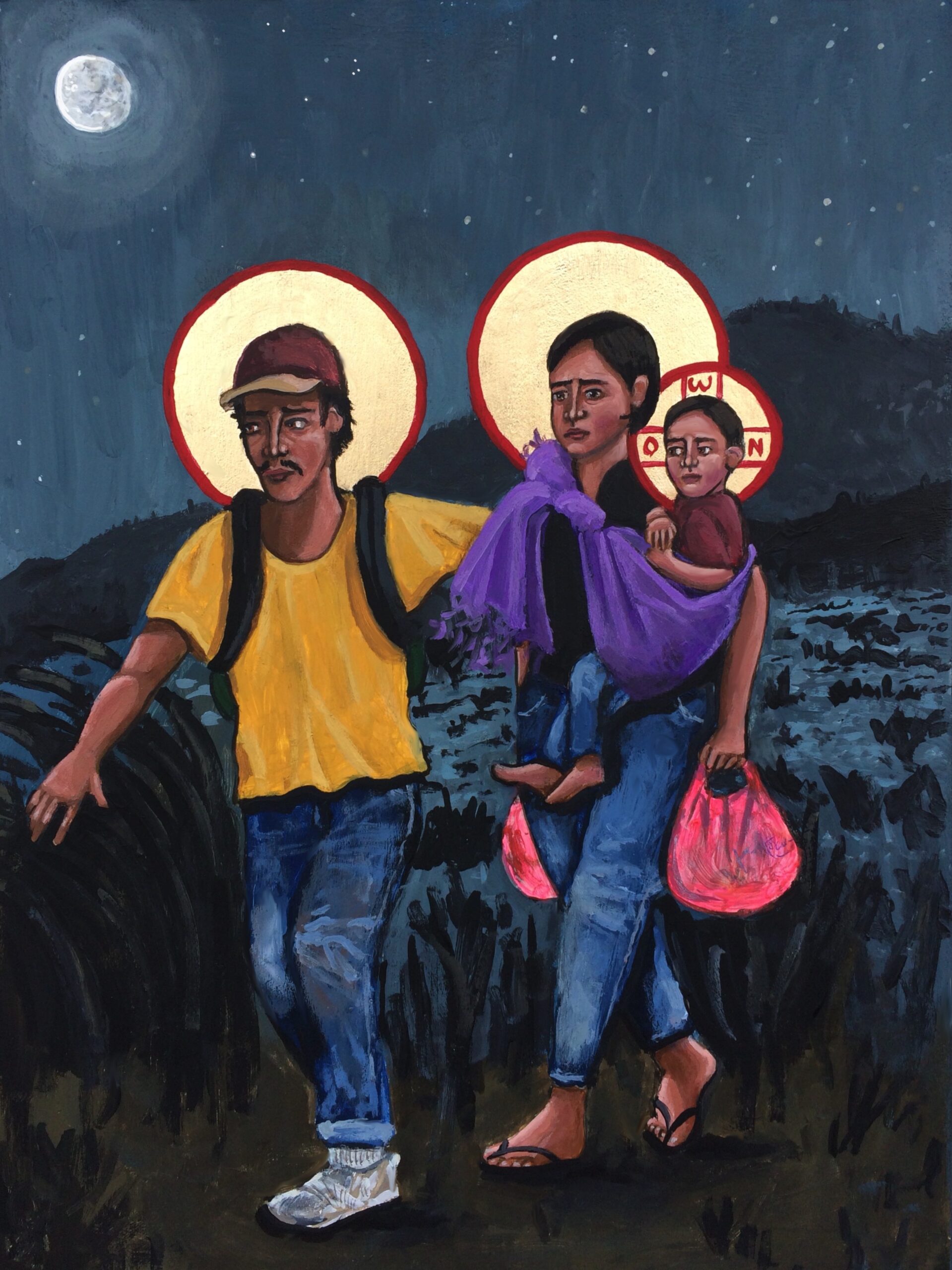
On Sunday, the Ross Lake House Hotel in Rosscahill was burned down. This was an act of callous and brutal savagery. The empty hotel was due to become a refuge to dozens of people who badly needed it. This was not an accident. It was a crime born in craven fear. It is one of… Read more »
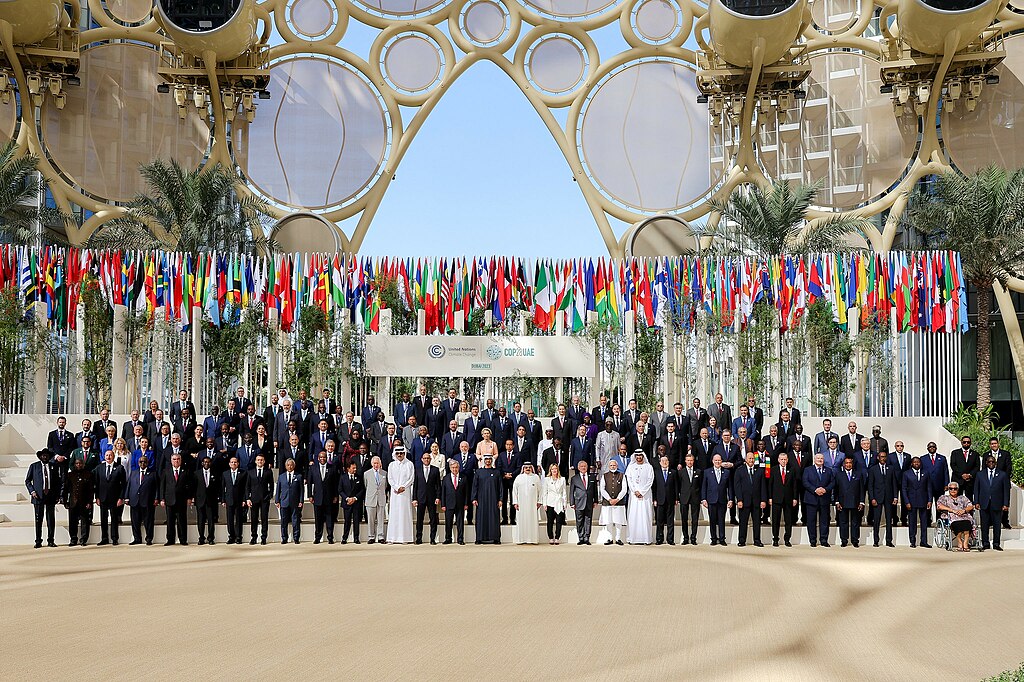
A little after 2am – hours after the end of the final official day (Tuesday 12th November) of COP28, delegates were told to go to bed and await a new draft text in the morning. The initial draft was roundly rejected on Monday as being too weak on action on fossil fuels. Sultan Al Jaber,… Read more »
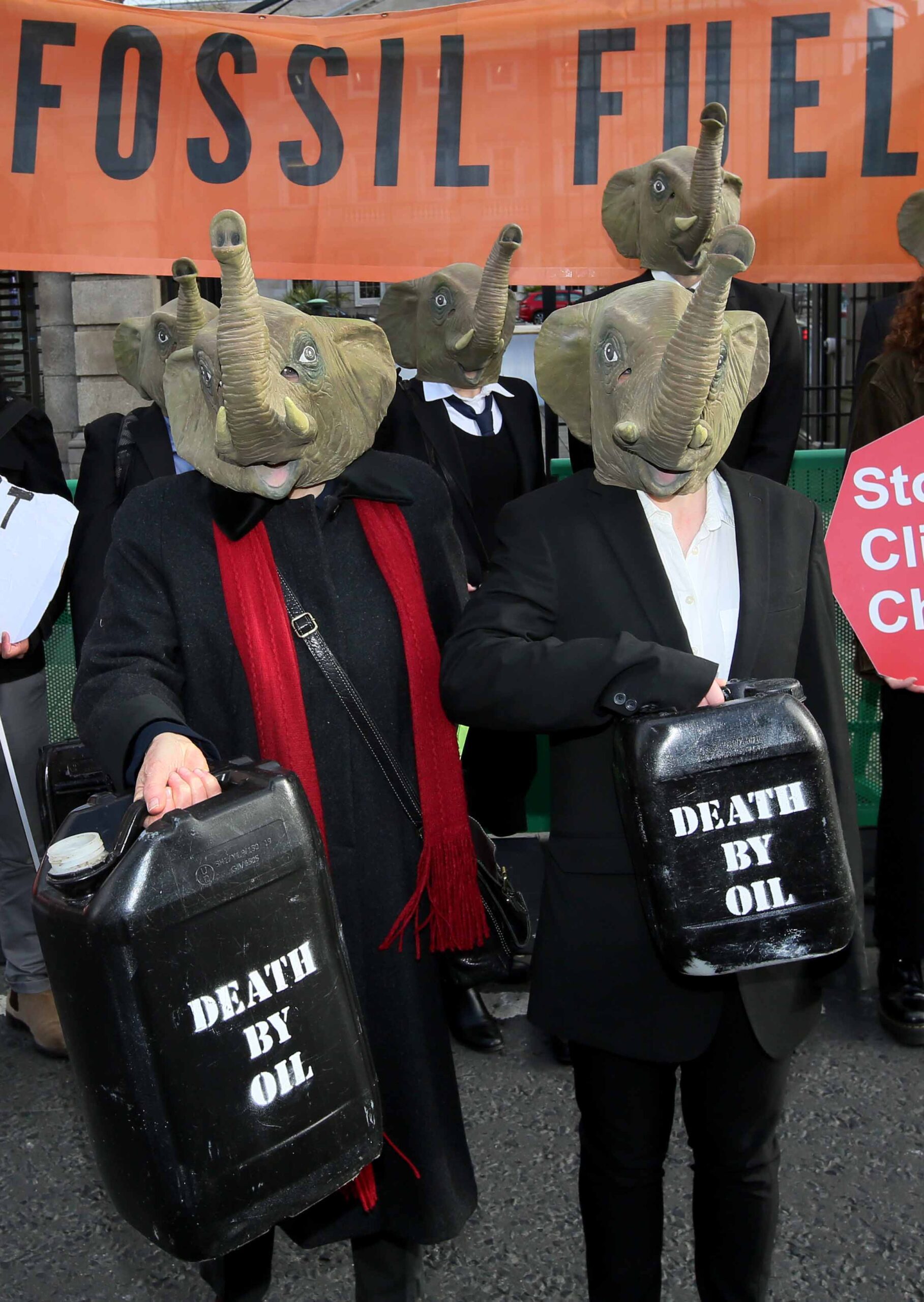
At COP28 they rested on the 7th day and today restarts with a focus on ‘Youth, Children, Education and Skills’ alongside the continuous negotiations on the final text. COP28 has, so far, been a mixed bag with some incredibly promising agreements tempered by compromises and mixed messages. The Loss and Damage Agreement, which was rubberstamped… Read more »
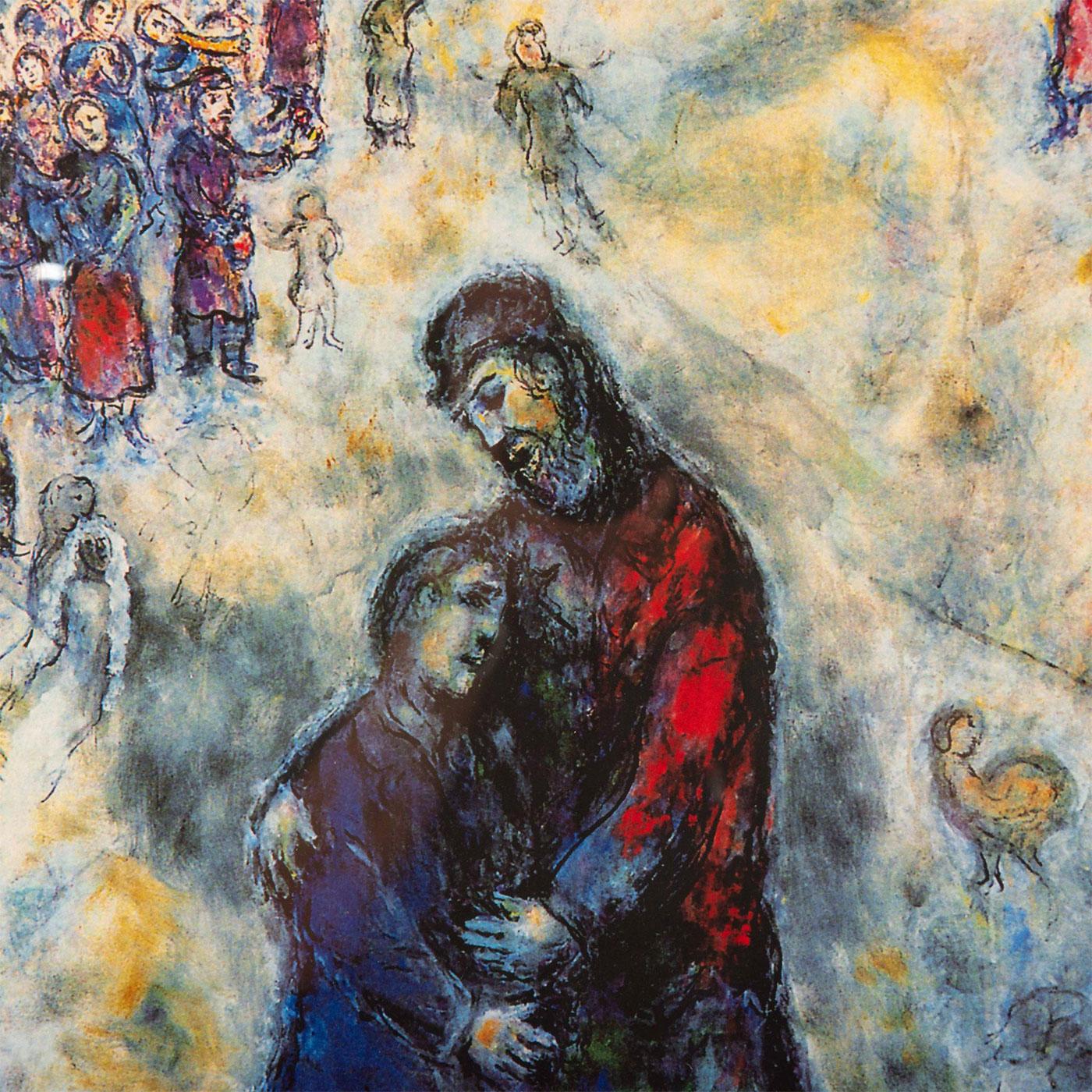
Very few events during the Taoiseach’s present term will be as fundamentally happy as the safe return of Emily Hand to her family. The Tánaiste’s statement went basically unnoticed. Indeed, the Taoiseach’s full statement has also mostly been bypassed. What has been noted – with fury by many on social media and with rancour by… Read more »
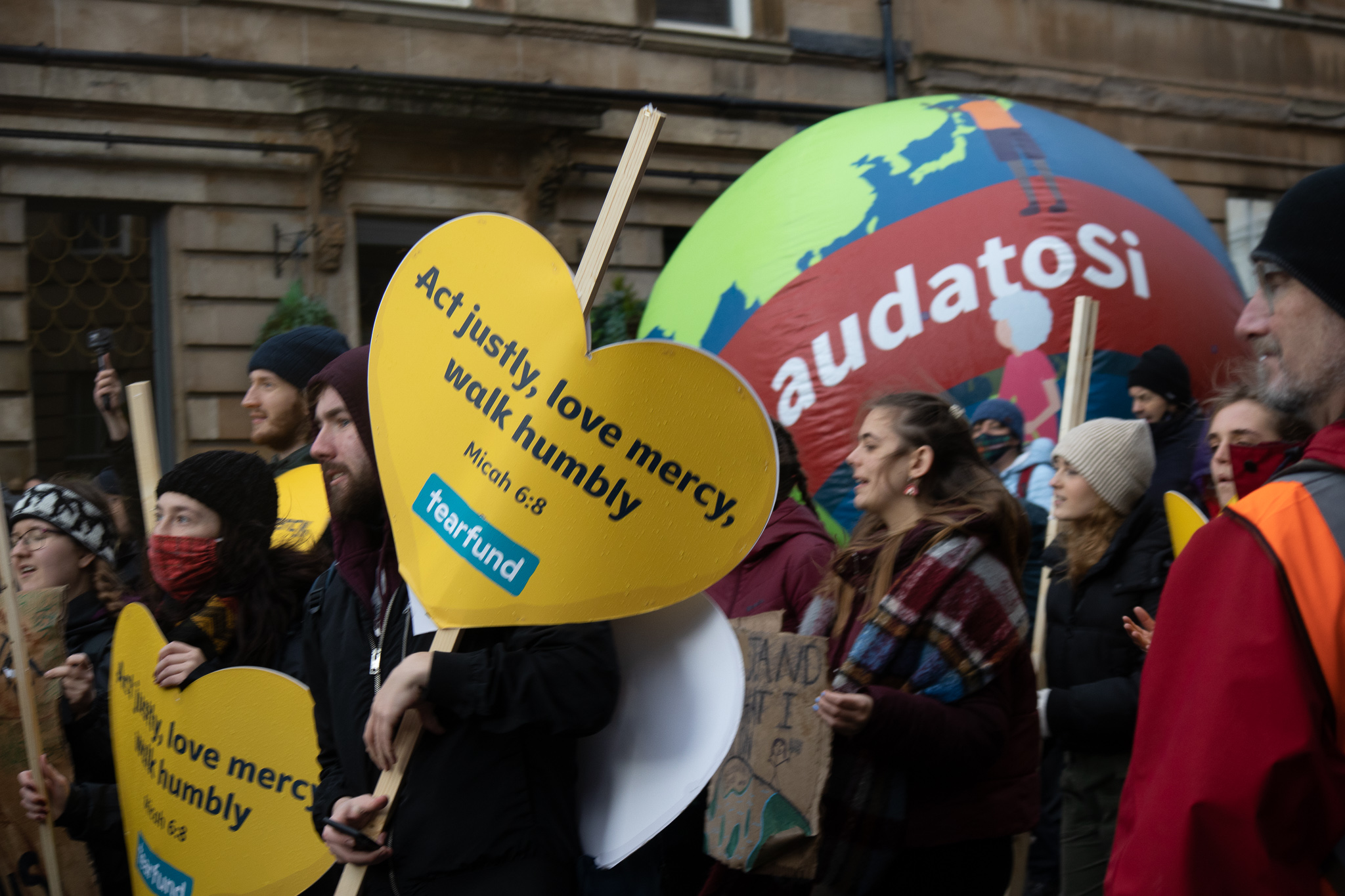
What is loss and damage and why is it important? The causes and impacts of climate change are widely accepted. We know that more carbon pollution in the atmosphere, primarily from the burning of fossil fuels releasing carbon dioxide, leads to an overall increase in global temperatures. This causes a wide variety of impacts including… Read more »
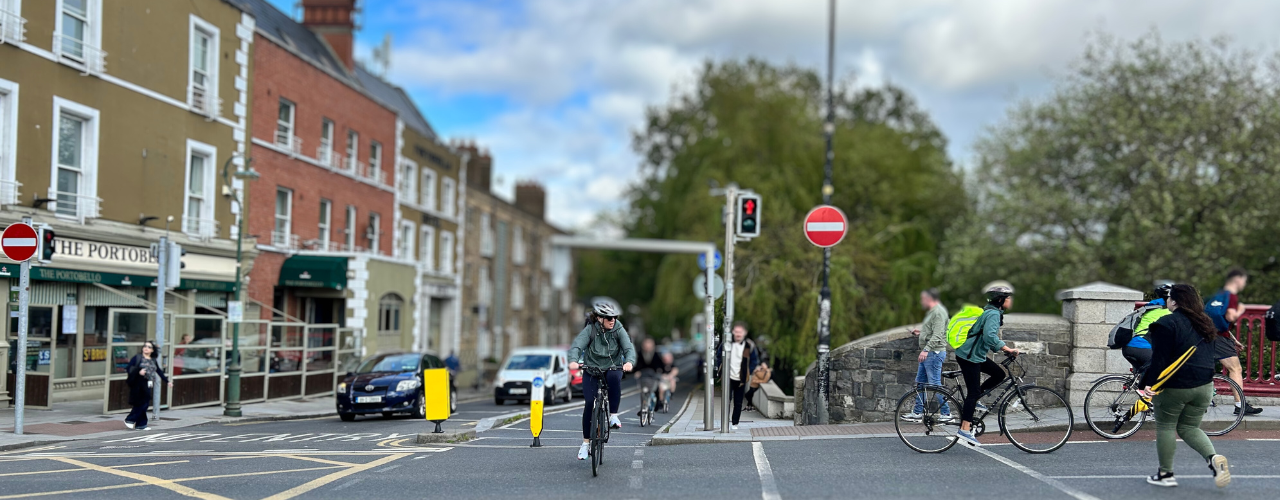
Stop de Kindermoord ‘Stop de Kindermoord’, or ‘Stop the Child Murder’ was a road safety campaign in the Netherlands during the 1970s. It precipitated the widespread installation of active transport infrastructure for which the Netherlands is now famous. This campaign was led by parents who feared for the safety of their kids, and communities who… Read more »
“If we are confident in the capacity of human beings to transcend their petty interests and to think in bigger terms, we can keep hoping that COP28 will allow for a decisive acceleration of energy transition, with effective commitments subject to ongoing monitoring. This Conference can represent a change of direction, showing that everything done… Read more »
The new prison testifies to a societal failure … [w]e have an obligation to provide something better than a brighter prison.
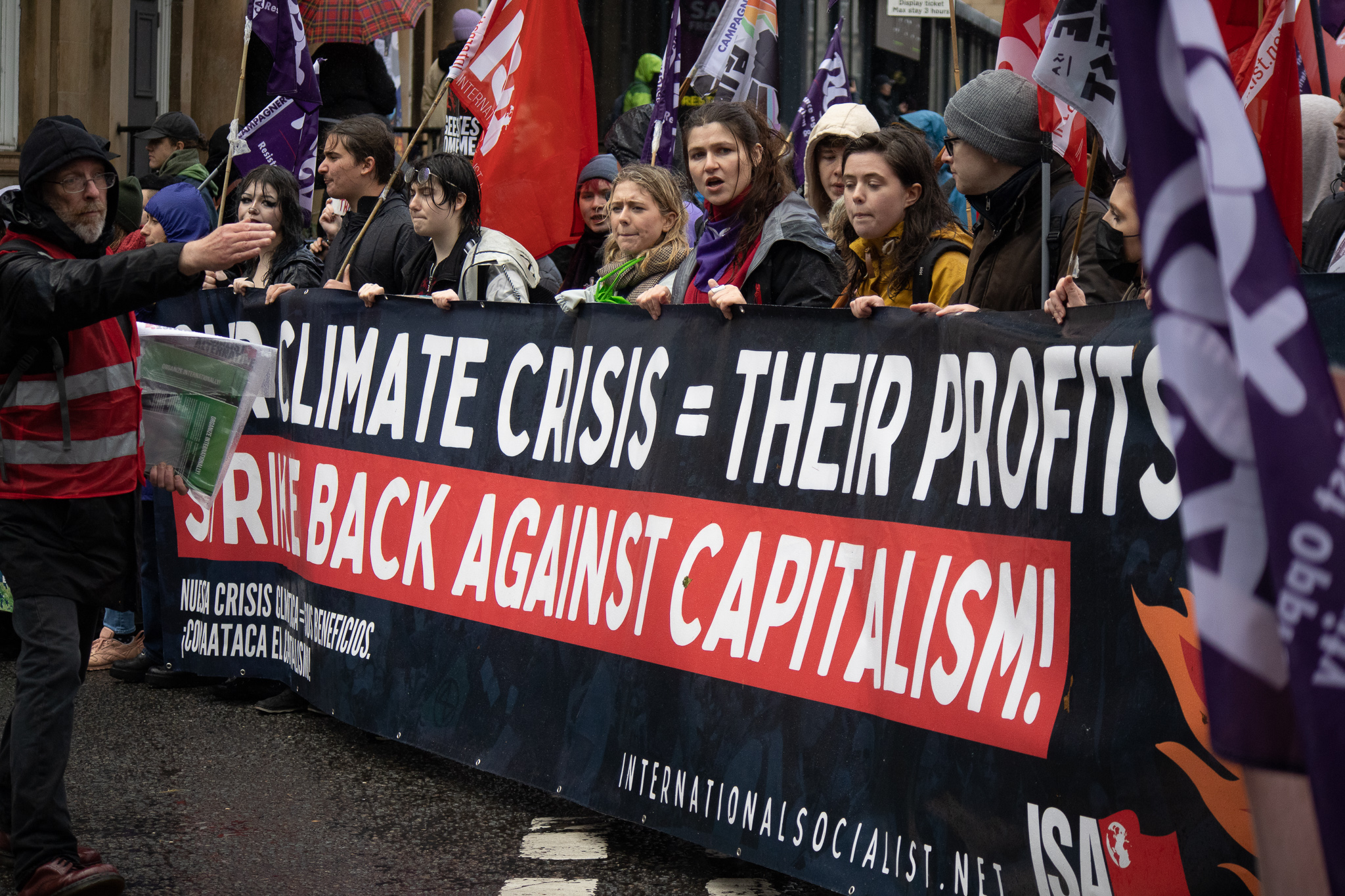
The urgency in Francis’ communication to us makes it clear that ecological action cannot wait until it feels comfortable – we do not have time to allow his message to transition slowly from head to heart to hands but we must consider how the action of our hands can help us understand the crisis both intellectually and emotionally
Irish Travellers are overrepresented in homelessness services and Traveller families can be left in emergency accommodation for years, which adds another level of trauma to the institutional abuse they have endured for decades. In a group whose suicide rates are several times that of the settled community, the impact of every factor which impacts upon mental health must be lessened, making the provision of secure, appropriate housing for Travellers a matter of urgency.
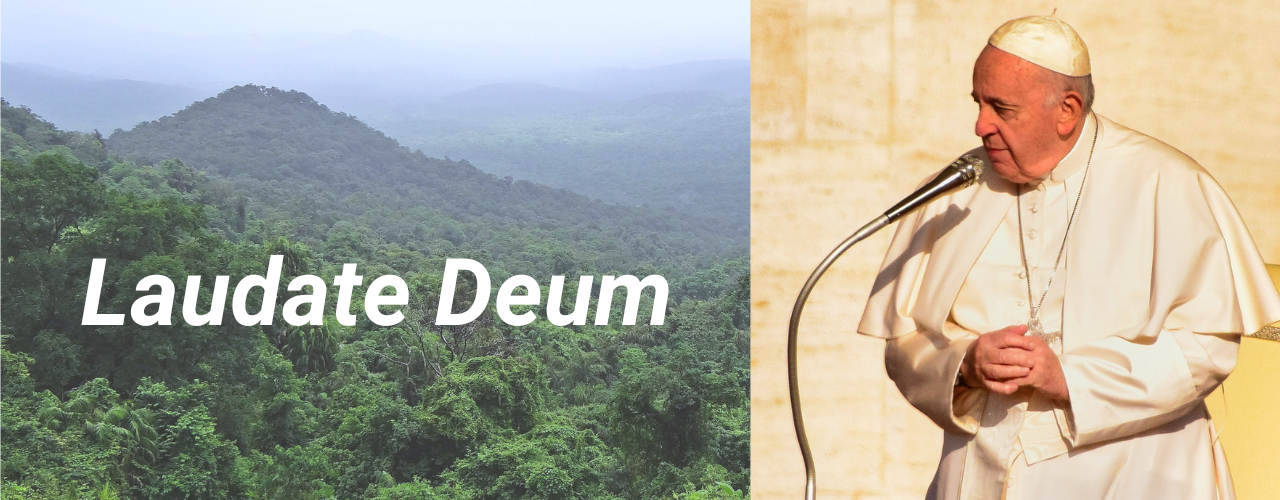
Laudate Deum is clearly written to inspire the delegates who will attend the COP28 meetings in Dubai in December. Francis carefully lays out how previous COPs concluded with high hopes that have never quite delivered. The reader can almost hear his frustration at how every year the Great and the Good gather and discuss these critical issues and every year they disappoint.
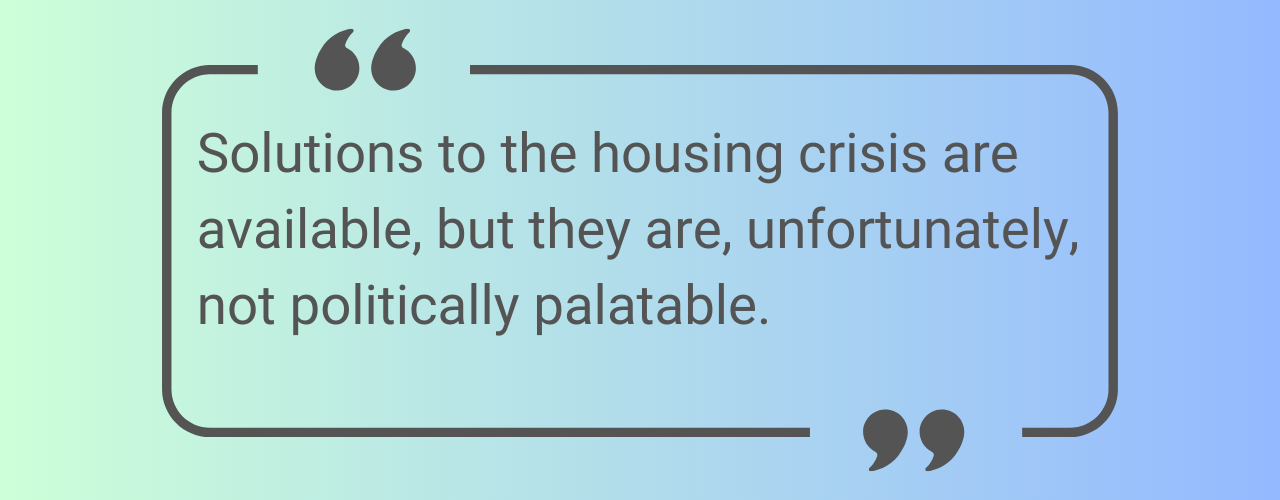
Maybe the reason the Kenny Report is sitting on a shelf gathering dust is that governments do not want to reduce the cost of housing. Their core voters are home owners who will be horrified at the thought that the value of their house would be reduced, even minimally. But unless they are planning to sell the house, that is a purely paper reduction.
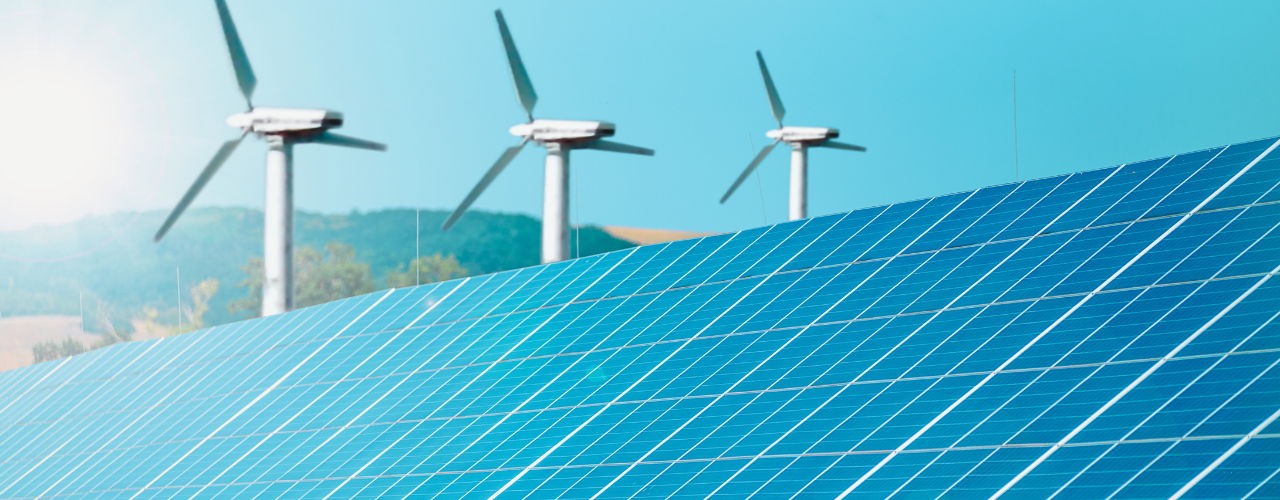
The massive costs and long construction times associated with nuclear power means that every euro invested delays decarbonisation. Since the crisis we face is urgent, the wise approach is to prioritise the transitions that are cheapest to build and fastest to deploy.
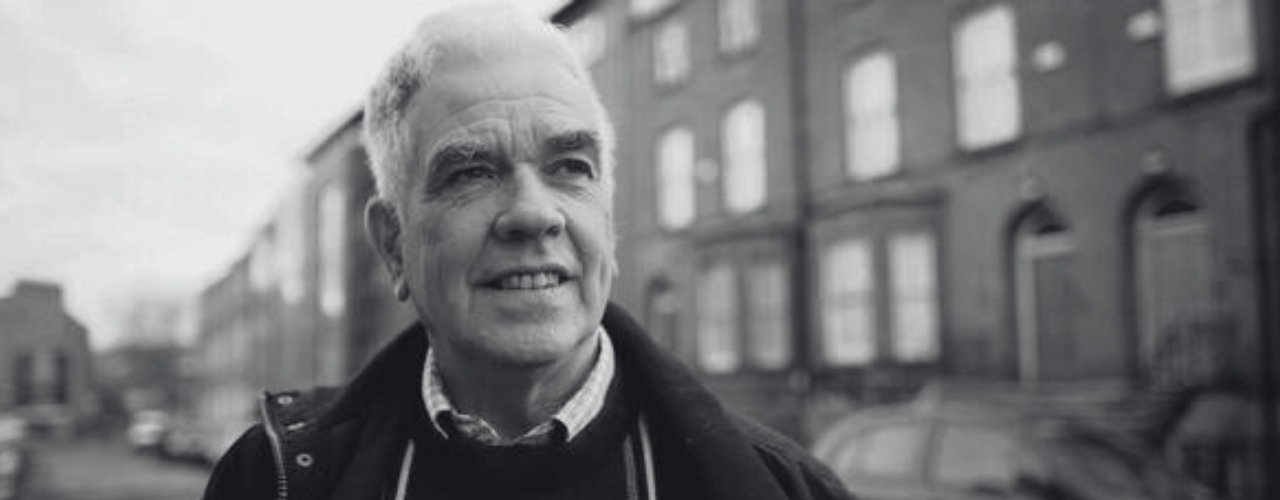
If a climate of fear dominates most public discussion of drug policy, it is often associated with, or justified, by a climate of moral disapproval – drugs are bad, therefore we must eliminate them, we cannot be seen to tolerate them in any way. The war on drugs must continue and any dissenting voices must be suppressed.
Causing the death of a pedestrian or cyclist will continue to be treated as manslaughter but the statutory response to careless and dangerous driving resulting in serious injury is not served by meagre fines for motorists who do not even have a driving ban imposed. Lifetime driving disqualifications must be on the table of sanctions as a driver who has caused injury has visibly demonstrated an inability to safely operate a motor vehicle
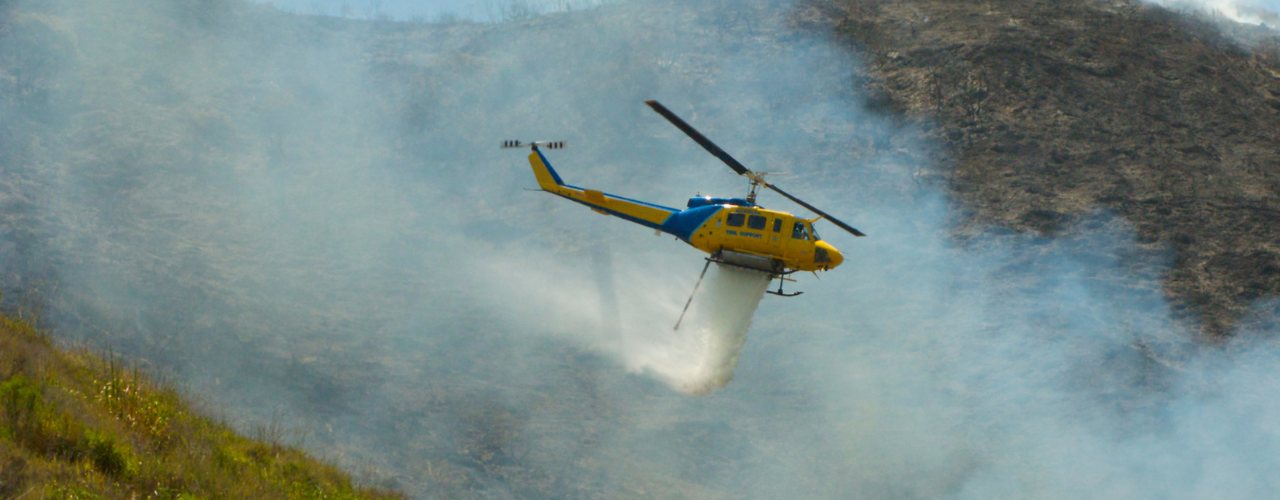
We are not yet feeling the worst impacts of climate change. However, this summer’s wetter than normal weather has already played havoc with the agricultural industry, reducing growth and impacting harvesting. Imagine the impact of more widespread flooding, or the compounding impact of several years of climate induced poor yields. Our reliance on a very narrow range of environmental conditions and our failure to build up our environmental resilience is incredibly risky.
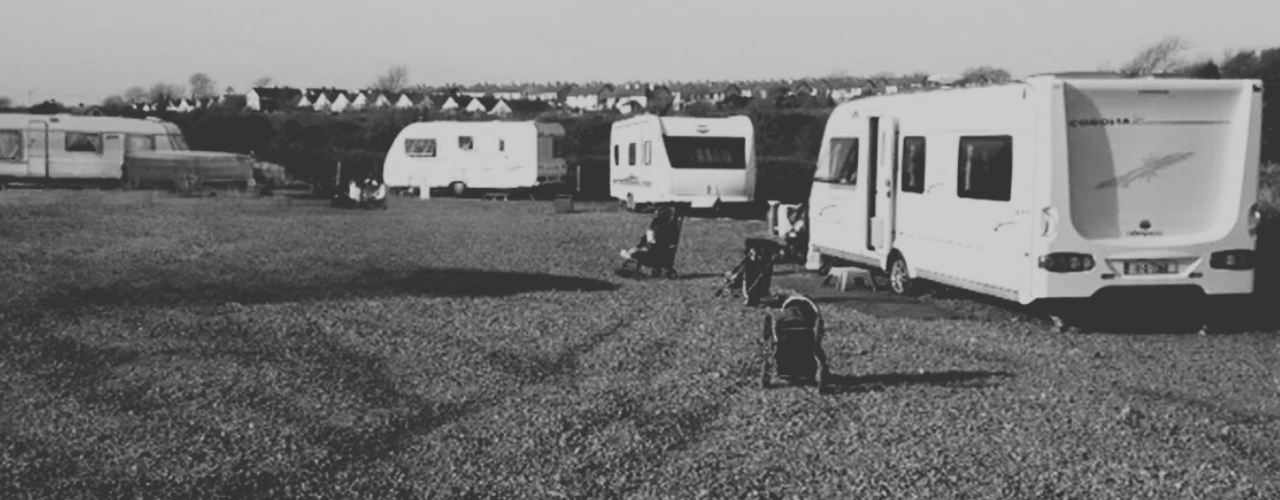
Travellers are overrepresented in homelessness emergency accommodation and also comprise part of the ‘hidden homeless’ in Ireland; people who are living in precarious or overcrowded housing. Traveller families with children are often left lingering in emergency family hubs for far longer than families from the settled community before being offered homes. When they are offered homes, these are often inadequate or ill-suited to their needs. Travellers who try to get tenancies in private rented accommodation face discrimination and have applications rejected.

Research suggests that even switching to cycling or walking one day a week can have significant consequences for our personal carbon footprint and our collective emissions. Developing tailored Irish studies that draw out the kind of emissions reductions that are achieved through school-based active transport initiatives would be an important element of the argument that could encourage local councils to commit to real evidence-based policy.
Considering how we begin to end violence in society, Allegra McLeod, from University of Chicago, urges us to “expand our understanding of violence beyond individualized disorder and the immediate scene of interpersonal harm” and unearth its political and economic roots. This can be difficult when a victim has experienced extreme violence and long-lasting harm. But the ambition of criminal justice systems should be the tempering of violence in society and not just meting out more violence in response to the initial offense. Louk Hulsman, a Dutch criminologist, warns that we create a counter-reality when we only understand an individual in the context of their offense, completely isolated from “his environment, his friends, his family, the material substratum of his world.”
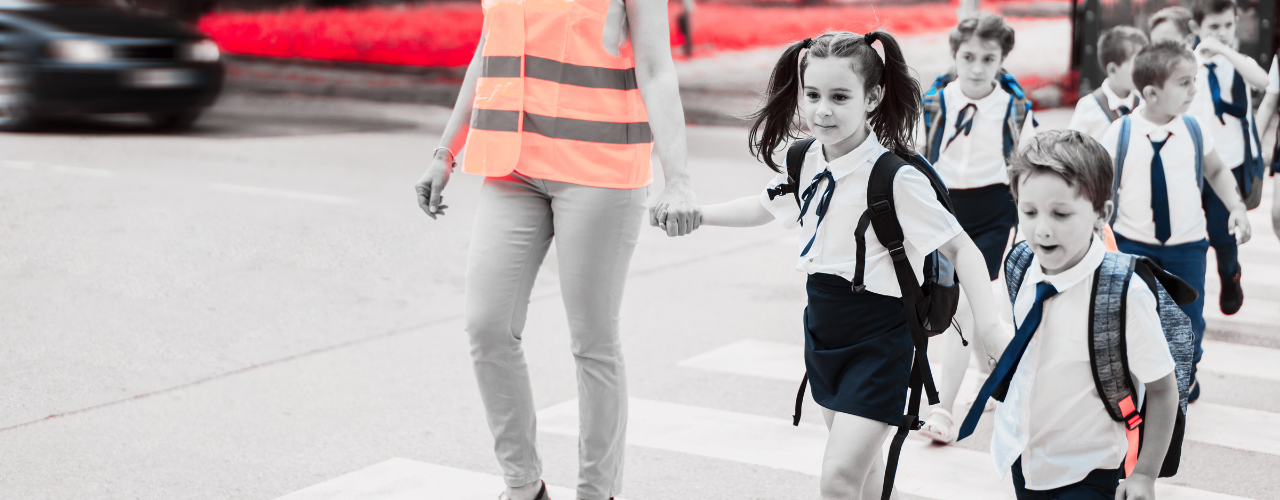
It is a terrible indictment of a city’s infrastructure that I consider myself lucky to be hit by a car in the specific way I was. My incident was not recorded, and neither are many such cases (many of which have much more severe outcomes), which masks the level of danger inherent in cycling or walking through the city. The stats that are recorded highlight the problems we have on our roads. So far this year in Ireland 22 pedestrians and one cyclist have been killed. These figures are an outrage.
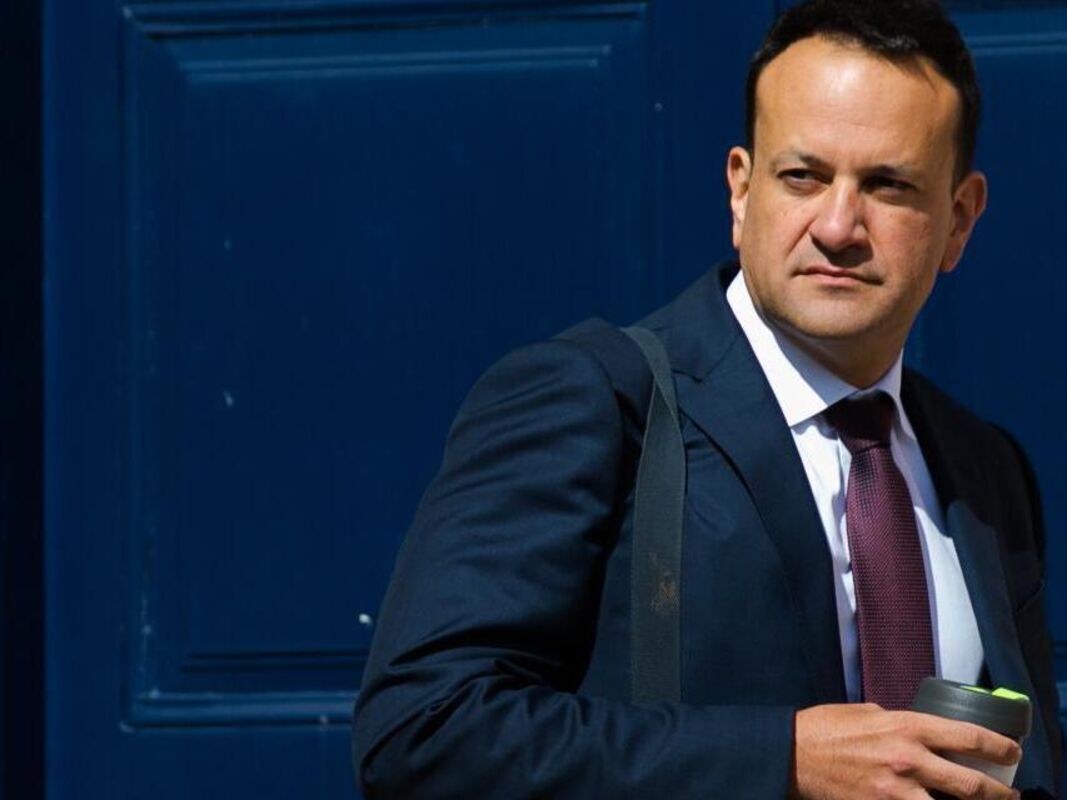
The reasons for turning down one or more offers of social housing are the concern of the homeless person or family involved, and this is not why the homelessness situation is “complicated”. It is complicated because of the reticence to solve it, by automatically placing homeless people in [actual] social homes for fear of a cascade effect where there is a rush of people declaring themselves homeless. This is the anxiety expressed in the 2017 Welfare cheats… campaign – the unfounded fear that the people at the bottom of society are taking advantage of us all, when our real fear is that we might some day be those people
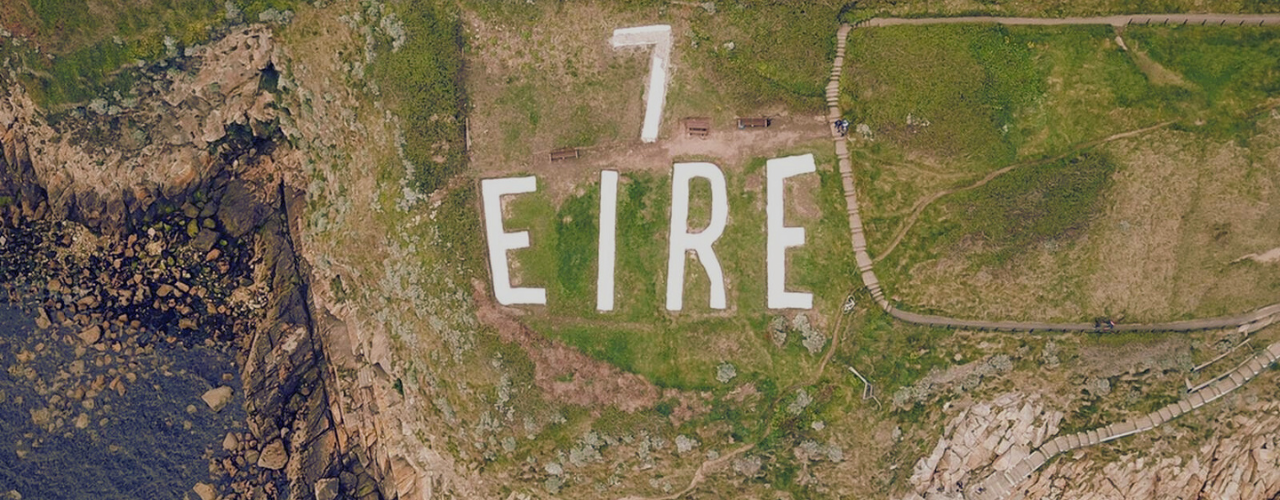
In conversation on this topic, it becomes clear that most Irish people view neutrality not as a refusal to participate in the struggle for justice, but as a positive commitment to participate in certain ways. That means we don’t build an army capable of joining an invasion force. But that doesn’t stop us from building an army well suited to peacekeeping duties.
Working Notes is a journal published by the Jesuit Centre for Faith and Justice. The journal focuses on social, economic and theological analysis of Irish society. It has been produced since 1987.