

Author: Keith Adams

“You Only Do Two Days”

When the Minister for Justice said that “six prisoners were required to be released immediately,” this is either unintentionally erroneous or misleading. These six were not prisoners by definition. Yes, they were in prison but their legal status was profoundly different from that of a prisoner. The sentence they received had been served, they were free people who were being detained in prison with no legal basis or grounding. Their sentences had expired. Something as important as the calculation of released should have safeguards with as many checks as is needed to ensure that a person is guaranteed their correct day of release.

Nothing New Under the Sun

  Two weeks ago, I wrote about how the decision of the Department of Justice to not publish two Dóchas Centre reports undermines its stated commitment to combat violence against women. The stated justification was that the Minister was acting on legal counsel sought by her Department. We know a little more about the serious… Read more »

Whose Violence? Which Women?

If reports into conduct within a closed institution for women deemed worthy of investigation are mothballed on a shelf due to “legal advice,” than an accompanying explanation must also be forthcoming. Are there ongoing criminal investigations based on the report? Are there security risks to the safe custody of the women in the Dóchas Centre? An allusion to legal advice is not sufficient when the stakes are so high.

More Women in Prison: The Only Certainty in Prison Policy in 2022

The vast majority of women are imprisoned for non-violent property crimes and the judiciary will likely continue in its paternalistic vein of either giving the women a “short, sharp shock” or an opportunity to have an assessment and receive treatment. As such, regardless of the meritous developments within the new Limerick prison block, the end result is likely an intensification of this carceral paternalism of poor women and Traveller women.

Reconnect to Nature – Interview with Cécile Renouard

We have to develop an integrated and holistic perspective. If we help people to reconnect to nature, to their own body, to their own feelings, then they will see how the quality of relationships is important and has to be promoted at all levels. With this change of perspective, people will understand that the “one health” is linked with environmental, animal, and human health.

The Compassionate Prison Paradox

While security and compassion will always be in tension in a carceral environment, little evidence exists to demonstrate an equal footing.

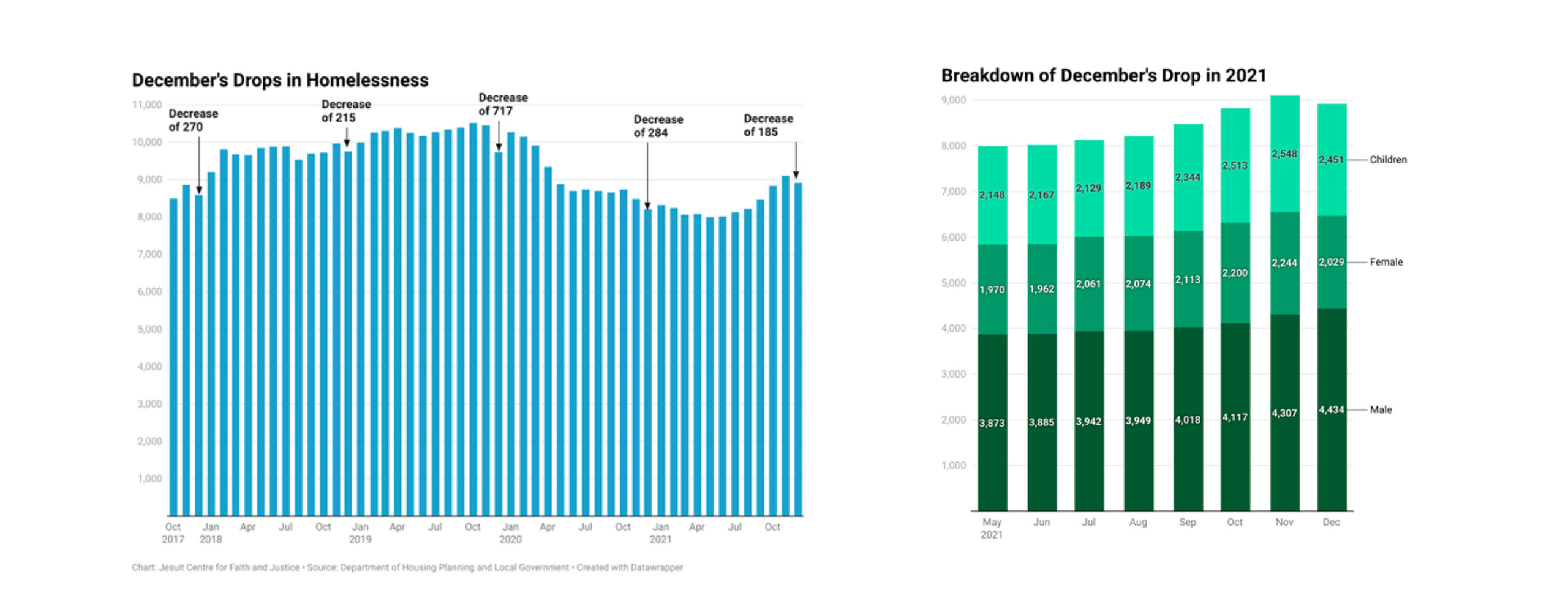
Homelessness: Why Do The Figures Drop in December?

Now that we have observed the trend of the seasonal decrease for five years (2017-2021), we know that the drop in homelessness that occurs each December is an aberration, not a cause for optimism. We have to dig deeper into the available data to account for it, and to solve the conundrum of the strong rebound in homelessness which inevitably follows it in January.

Covid-19 and the Decarceral Instinct

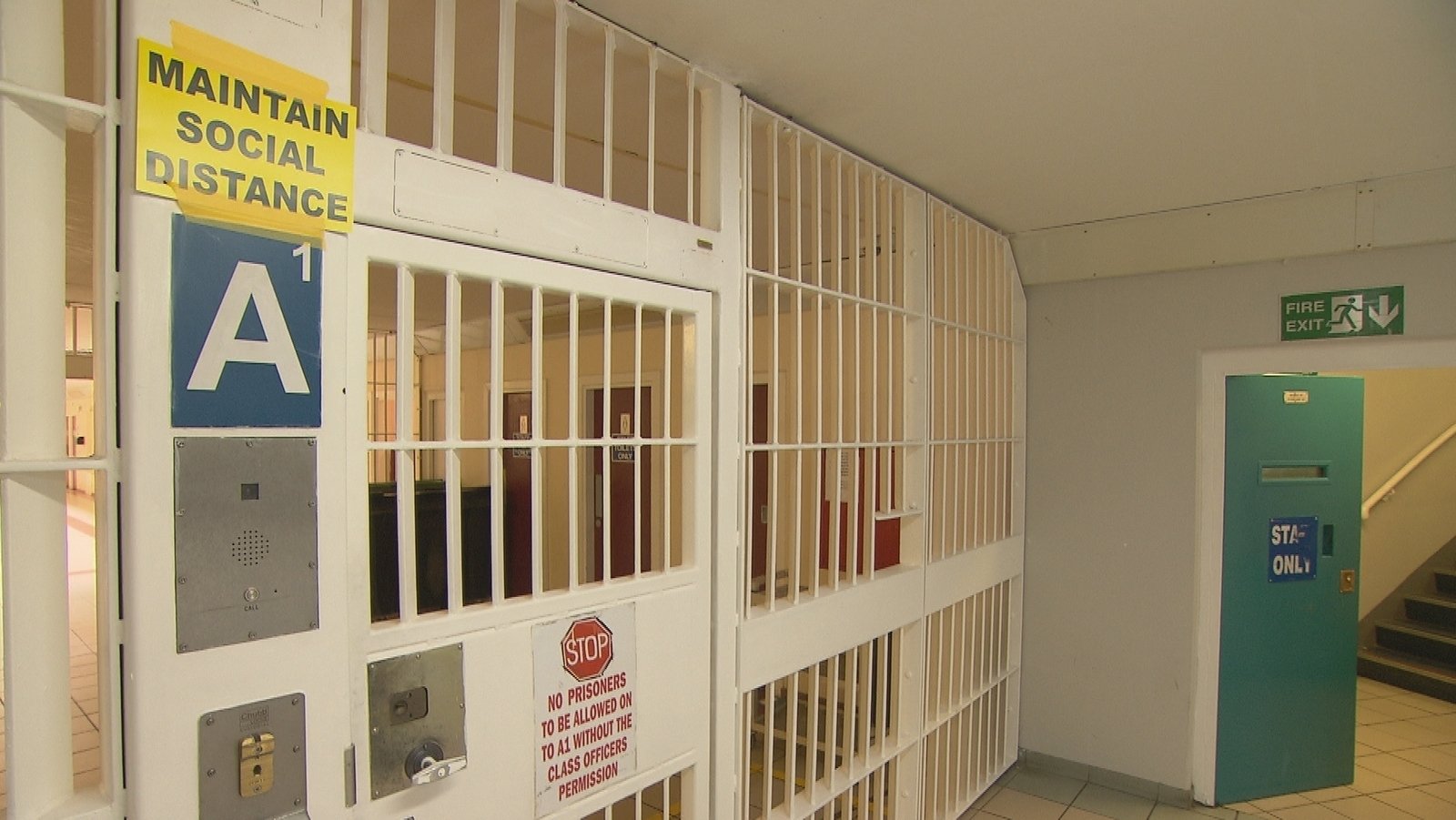
Much complexity has been added to the day-to-day working of Irish prisons over the past 20 months; ranging from necessary health protocols to ever-increasing restrictive regimes by way of serious technological upgrades, but it may be more helpful to reflect on the initial decarceral instinct of policymakers.

Squatting and Vacancy

It is necessary to consider what squatting reveals to us about the Irish housing system. While the communal squat at Prussia Street seemed very much in its infancy and may have been exploring new social forms, it is impossible to ignore the backdrop of Ireland’s worsening housing affordability crisis.

Suspicion and Trust: Housing For All

Policy papers and strategies should not just be taken at face value. They must be read with a critical eye to reveal their hidden meanings or obscured agendas. Their true meaning will emerge via an interpretation in which suspicion plays a crucial role.

Cost Rental-ish Housing and Strategy Delay

Whether they wanted it or not, this Government’s fortunes are inextricably linked with housing.

Prisons Report Illustrates the Need to Build Back Better

A timely Inspector of Prisons’ Annual Report, published by the Department on Friday, provides much which should form the basis of such a debate on the future of our prison system. Here are what we in the Jesuit Centre for Faith and Justice consider the main points of interest in the report.

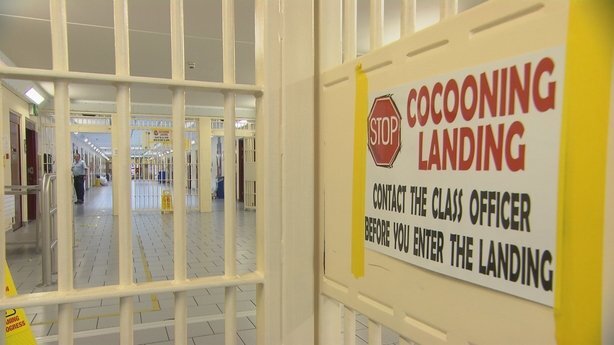
Prison landing with Covid-19 safety notices

The Long Lockdown

With the emergence of multiple vaccines, Ireland is in a very different position today compared with five months ago, when we entered into the highest level of lockdown just after Christmas. Yesterday, the Minister for Health announced that more than half of the adult population had received their first dose of a vaccine, with over… Read more »

The ‘Institutional Investor’ Guarantee

A decade into the most recent Irish housing affordability and homelessness crisis, few adjectives or perojatives have not be used. We want to propose a new word for describing these events: apocalyptic.

We Need a Rent Forgiveness Scheme

Following a 10-day “grace period” after the blanket eviction ban ends today, April 23rd is the date when evictions can resume in the private rental sector.

No Exodus of Landlords from Housing System

We can see that the claims that landlords are fleeing the Irish housing market is false. There is no grand exodus. And the stable numbers of landlords have less debt and more revenue than they have had in the past.

Emergency Accommodation: A Very Neoliberal Solution

This blog post is the final of a three part series on policy-making as storytelling. In this week’s piece, Keith Adams considers how to make further sense of the stories around homelessness by looking at the sources of the housing which families enter into as they exit homelessness and how we can end homelessness.

How temporary is ‘Emergency Accommodation’?

In the second of our three-part series on Policy-making as Storytelling, Keith Adams continues to analyse the Quarterly Homeless Progress Reports to see who remains in emergency accommodation, and for how long? In next week’s final piece, we will look at how we can prevent homelessness.

Policy-making as storytelling

This blog post is the first of a three part series by the Jesuit Centre for Faith and Justice on policy-making as storytelling. Using the Quarterly Homeless Progress Reports, this series will consider the stories which are central to homeless policy in Ireland and if other stories exist. This post will focus on exits from homelessness with the second post next week reflecting on families prevented from entering homelessness. Duration of stay in emergency accommodation will be the focus of the third blog post and round off the series.

Give up yer oul ideologies

  In early 1998, Tony Blair, then UK Prime Minister, addressed the French National Assembly. In fluent French, he described the political ethos shaping New Labour and, more broadly, Third Way politics, as “an attempt to make realistic sense of the modern world. It is a world in which love of ideals is essential but… Read more »

A Shot in the Dark

It is important to ask why a request to vaccinate prisoners in the early stages of the programme is met with vehemence and opposition. The force of emotion expressed reflects something of our punitive instinct around justice and this particular instance exposes how in the end, that desire is self-destructive.

Deaths Under Sentence

Keith Adams considers, from a sociological and theological perspective, what it means for the terminally-ill to die in prison.

Receiving a Wooden Bowl

Imagine if death was somehow suspended, causing people who are close to their demise or severely injured to exist, in a catatonic state? Portuguese author, Jose Saramago posits this scenario in his novel Death with Interruptions. He considers it as a thought experiment, teasing out its potential political, economic, and social ramifications, often with surprising… Read more »

Homelessness: Public Health Response Would Remove Complexity

At the end of July, we witnessed a surge in the number of deaths of people who were homeless or in emergency accommodation. Almost daily reports made the loss of life seem endless. In Dublin alone, ten deaths occurred in July – six men and four women – bringing the capital’s total for 2020 so… Read more »

Image of light coming through prison window

The Unintended Prison Experiment

  We have never been so obsessed with experiments. In some sense, our former way of life ostensibly hinges on their success. Reports of the merest success against Covid-19 imbue us with hope. On the periphery of the pandemic, slightly more removed, many unintended social experiments have occurred or are ongoing in Ireland. Typically, social… Read more »