

Fr Peter McVerry SJ on the role of the state in the housing system
A system working as it is intended
The dominant view of housing today is that, if the housing system is broken, it is only a temporary crisis. Housing is seen as the domain of experts, like developers, architects and economists. Tweaking the system, through smarter planning, new building techniques, reforming the rental laws, more subsidies for developers and fewer regulations will increase the supply and solve the problem, so we are told. But the crisis goes much deeper than that. There is a conflict between housing as a place to live and housing as an instrument for profitmaking. Housing is the investors’ new currency. The housing system is the outcome of a struggle between those looking for a home and those looking for a profit. Our housing crisis is not the result of the system breaking down, but of the system working as it is intended, namely to benefit investors.
There are actually two property crises: one at the top of the market where many people are priced out of owning their own home, and one at the bottom of the market where low-income households cannot get social housing. The one at the top of the market is the priority for government: Help to Buy scheme, First Home Scheme, Local Authority Home Loan Scheme, all help people to get on to the housing ladder. But they push up the cost of housing for everyone else. Experience suggests that owning your own home gives someone “a stake in the system” and they are more likely to vote for the government that enabled them to secure their home. It is a vaccine against radical or protest action.
Emergency public order
But at the other end of the housing market, homelessness continues to reach record levels each month because there is insufficient social housing available. Providing hostel accommodation is not about housing homeless people. It is about preventing thousands of homeless people living on the streets, being a threat to public order, making business life more difficult and alienating tourists. In many of the hostels, people are crammed in rooms with bunk beds, with no privacy and no security, where drug users sleep, and use drugs, in the same room as people who have never taken drugs, where people who have to go to work in the morning are sleeping in the same room as people who are up all night talking or watching television. Providing shelters is more about preserving public order as making life better for homeless people. Indeed, some homeless people feel life is better, and safer, living on the streets than in hostels.
The demolition of the Inner City tenements in the 1980’s was due as much, if not more, to the growing crime rates, such as car thefts, handbag snatches and assaults, as admitted to me, privately, at the time. It was the people, not the social conditions in which they lived, who were considered to be the problem, so they had to be scattered, diluted, around the city, thus losing the one thing that mattered most to them, their sense of community.
It was the people, not the social conditions in which they lived, who were considered to be the problem…
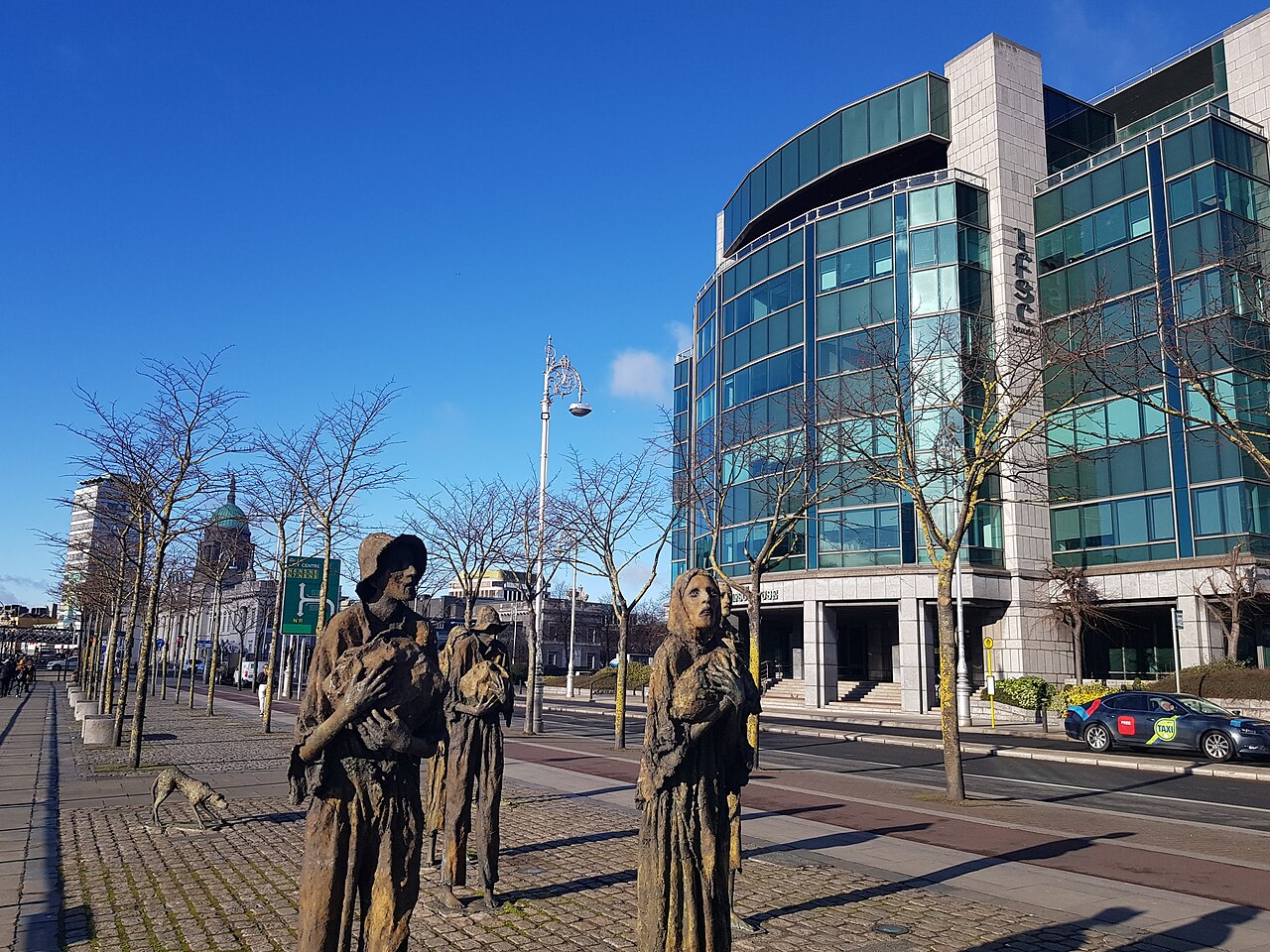
Similarly, the demolition of the flats in Sherriff St were due as much, if not more, to the embarrassment to Government of such visible poverty adjacent to the newly built Financial Services Centre, as to a concern for the residents, most of whom didn’t want to move.
The housing system is dominated by powerful actors and institutions that have a major interest in maintaining the status quo. It requires breaking the monopoly of for-profit developers, changing the idea that housing should be primarily an asset to create wealth. The idea that there are no alternatives to the for-profit construction developers must be challenged; otherwise the government’s role is simply reduced to facilitating them. There needs to be a permanently non-profit public sector to act as an alternative.
Let the private sector build housing for those who can afford to buy – without the need for government handouts – and let the public sector build houses for those who cannot afford to buy.


