


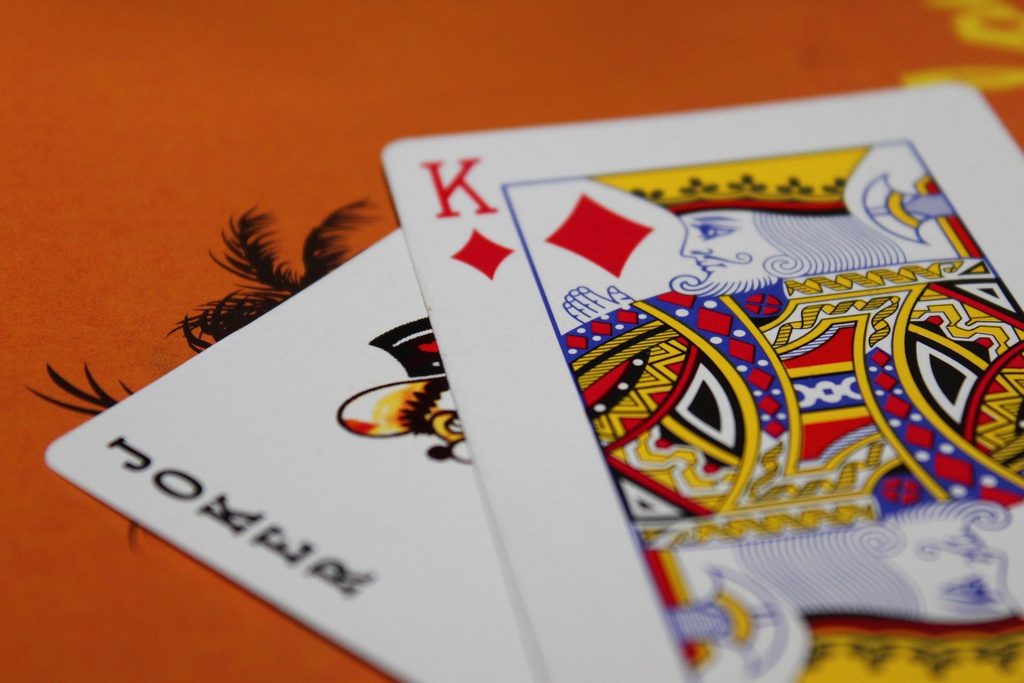
When I was little, I used to try and make a house out of cards when I was bored or the weather wouldn’t allow me to play outside. I would spend what felt like hours to a small child trying over and over to put it back together after it would fall. I couldn’t seem to grasp how delicate I needed to be, to consider all sides of the house and not just the side I was trying to keep upright. I would use every card I could—aces, kings, the joker, fives, etc.—because to me, a card was a card. I would be overjoyed when I managed to get it to stand on its own, only for a cousin to come along to knock it down for the laugh, or for someone to open the door and a gust of wind take it down. However, it taught me about structural integrity, and I would try to build it back better.
Now that I have grown up, I see that it was never just a metaphor. Housing and housing policy is as delicate as a house made of cards. A solid foundation will lead to a steady structure that will last, but forget to ensure one side isn’t wobbly and the whole thing will crash down around you. A gust of wind in the form of minor economic downturn may shake your house, but it won’t crumble.
Contrary to how I was when I was a child, the Irish government are not using every card available to them. Unlike a house of cards, sometimes we don’t want to be using the joker or the king. Sometimes the diamonds are worth more than the spades, and we should be mindful of the hearts (note, I would love to make a joke about clubs, but alas, I am young and love to dance and therefore can’t bring myself to suggest we get rid of them). Diversity of cards, like a diversity of tenure types and stakeholders, is important. A well thought out vision stands the test of time, remaining strong and able to weather storms.
Building our policies with the jokers and the kings leads us to the reality we see today. Developers, seemingly both the joker and the king, making plays and demands that are humorous to them and make the rest of us, especially the government, bow down to them. The government, apparently also playing the roles of joker and king, are fixated on the idea that only the most powerful cards should be used. Only the highest value cards should be explored and used, and being delicate does not matter because if enough people build a house of cards this way, surely one person’s will stand…in theory. They forget though, like myself as a child, that patience and being delicate will take you further. Ensuring all sides are steady will allow you to create your roof, and you won’t need to continuously try and replicate your card house because you have one that remains strong and consistent. Rather than relying so heavily on the private sector, investment on publicly supplied housing is a better long term strategy.
Structural integrity in both a house of cards and housing policy is important, both literally and morally. When we put integrity to the side, we put human dignity to the side. When we create a system that favors the few while ignoring the many, we see that some sides of our house are incomplete. And how on earth could you expect a house to stand when its missing two sides and half of its roof? When our housing policy and strategy neglects certain portions of our population, we are effectively building only half of a house, making us susceptible to our cousins trying to knock us down (like the United States increasing tariffs, making life in general more expensive) or a gust of wind taking us down completely (think the Global Financial Crash in 2008—see our Working Notes 68).
Much like a house of cards, we need to be anticipating collapse and learning how to protect ourselves from falling down completely. Reactionary policy does not work, and it does not prevent what we can so clearly see has happened, is happening, and will happen. To continue to disregard human dignity in housing policy and build a policy that neglects one or more of its walls is to build a policy that allows suffering. It means we will continue to see increasing homelessness, increasing wait lists for social housing, increased number of people struggling to make rent payments, and more of our youth leaving Ireland for more affordable places. Instead, let our house of cards become so steady that we are unshakable, unbreakable, and no longer a metaphor.


