

Waste of Resources
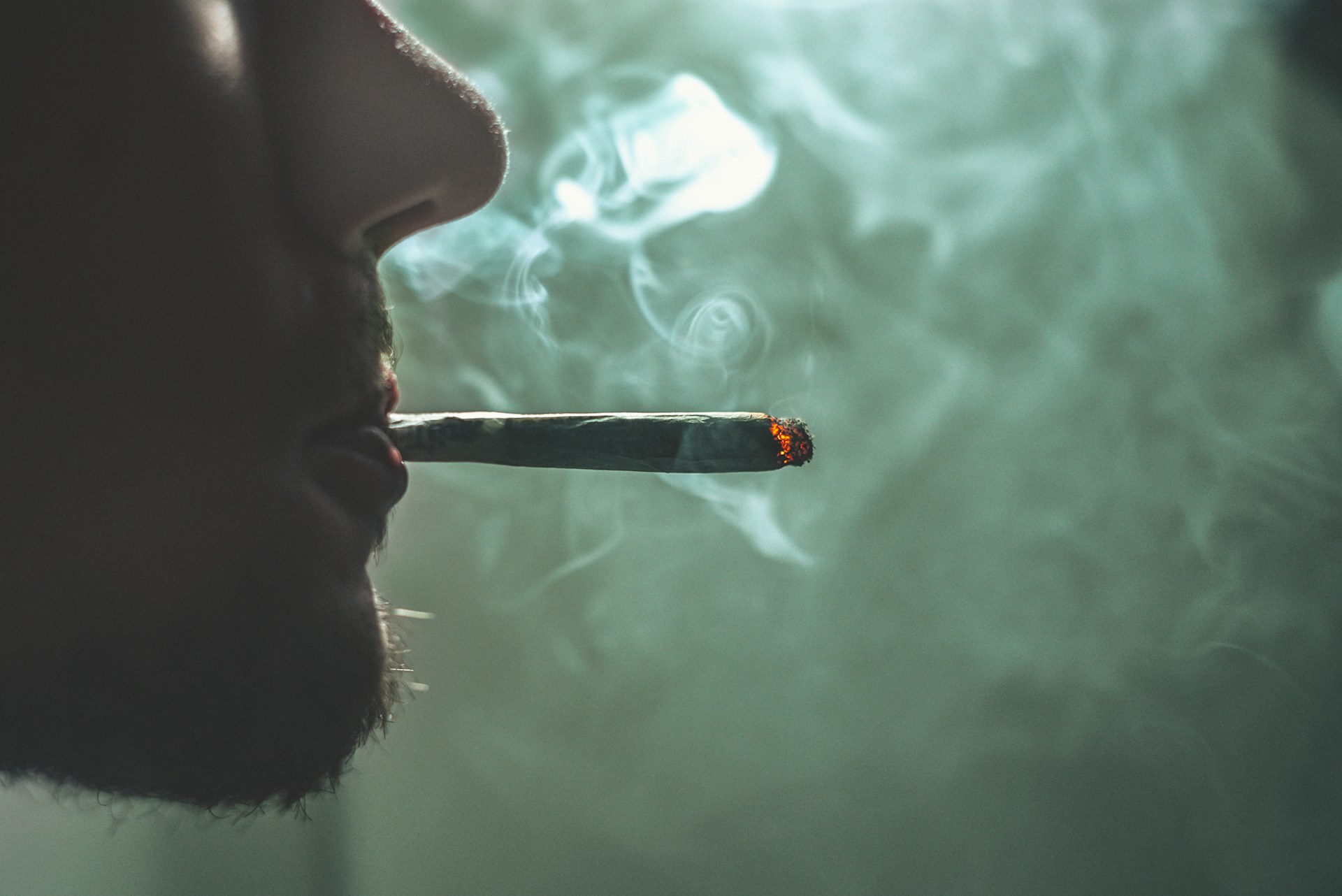
Should society decriminalise the possession of small amounts of drugs for personal use? I would argue yes. I have personally spent five mornings in court with a young man who was charged with possession of cannabis valued at €2.
The prosecuting Garda also spent five mornings in court. The young man was given free legal aid at the State’s expense. The Judge requested a probation report, also at the State’s expense. Eventually, the judge told him to go away and stop taking drugs! That case was a massive waste of Garda and state resources.
Of course, the possession of drugs for sale or supply should still be prosecuted. Criminal behaviour under the influence of drugs, such as assault or criminal damage should still be prosecuted. The objective of any response to the drug problem must be to reduce the use and misuse of drugs. For the past forty years, our primary response has been to use the criminal justice system to arrest, prosecute and sometimes imprison drug users. Hundreds of thousands of people have been prosecuted for the possession of drugs for personal use (15,419 people in the District Courts in 2025 alone). Thousands have been imprisoned.
The result – we now have an increasing supply of an expanding range of drugs to an increasing number of drug users in more and more cities and towns, and even villages, of Ireland. Illegal drugs are often referred to as “controlled substances” but the reality is quite patently the opposite. Ireland now has a free market in drugs. I can make a phone call and my drug of choice will be delivered to my door quicker than a pizza – by a 14-year-old on an e-scooter! Politicians keep talking about “value for money” but no-one could possibly justify the billions the criminal justice system has spent over the past forty years on trying to reduce drug use as “value for money.”
Fear Prevents Discussion
We need a new approach. But this requires a new set of attitudes. Aodhán Ó Ríordáin was appointed Minister of State with responsibility for drugs in 2015. He brought a passion and commitment to the job – and promptly lost his seat in the next election! The dominant attitude to drugs is “fear.” The public are afraid that decriminalisation will give the message that society tolerates drug use and will therefore encourage more people, particularly young people, to use them, causing more crime and public disorder in our communities. Fear prevents a rational discussion on alternative ways of addressing the drug problem. The other argument against decriminalisation is a moral argument, that drugs are “bad” and so we must assert our opposition to drugs by using the criminal justice system to catch and prosecute those who use them.
Why We Need Decriminalisation
But there are several arguments in favour of decriminalisation of small amounts of drugs for personal use. Every young person growing up today will encounter drugs, they will know people who use drugs, particularly cannabis, and they will be offered drugs by their friends. For us adults to ignore that reality is to have our heads in the sand. Many of them will experiment with drugs, just as they will try alcohol or vapes, but 95% of them will come through that phase unscathed. Many young people today already feel very insecure about their future, wondering will they find employment, a place in society, somewhere to live or will they fall through the cracks. Prosecuting them for possession of drugs deters very few, introduces them to a criminal sub-culture and, through the societal consequences of having a criminal record (difficulty of obtaining employment, obtaining visas to travel and the labelling that having a criminal conviction ensures) marginalises people even more in their society. Drug use thrives amongst people on the margins.
Secondly, many persistent drug users use drugs to blot out traumas which were never addressed, such as bullying, abuse, low self-image from constant criticism or pressure to achieve. Some drug users have mental health issues which have not been adequately addressed and use drugs to self-medicate. They need professional help, not prison. If someone is misusing alcohol – the drug that causes more problems for families and society than all the illegal drugs put together – we look for treatment options. Many parents who have discovered that their son or daughter is using drugs ring me up to seek advice. If I were to tell them to ring the Garda, they would laugh at me. When their own family or friends are involved, they are looking for treatment options.
Thirdly, the alternative to prosecuting drug users is not doing nothing, but referring or encouraging them to seek treatment. That is to say, we should treat drug use, not as a criminal justice problem, but as a health problem. However, our treatment options have long waiting lists. The young man mentioned above who was prosecuted for €2 of cannabis has now been waiting over six months to access a treatment programme. Every drug user I have ever worked with comes to a point in their lives where they want to give up drugs. But if they go on a long waiting list, many get demoralised and give up trying. The billions spent prosecuting drug users would be better spent on providing timely access to treatment. It means “medicalising” drugs, nor criminalising their users. It means spending money on health professionals and counsellors, not on lawyers. It means seeing drug use as a public and personal health problem, not a criminal issue. It sees addiction as an illness which needs support and treatment, not as a badness which requires punishment. It frees the Garda from having to invest in tackling drug consumption to focussing their resources on drug dealing.
Finally, we need to address the economic, social and political context in which drug use thrives. Most of those who misuse drugs come from areas where poverty and deprivation are a fact of life. We have “individualised” the drug problem, that is to say we see drug use as a consequence of some defect in the person who uses drugs, whereas for many it is a response to the depressing situation in which they live. For many it is a “temporary vacation” from life! Some teenagers will turn to selling drugs, as it gives them far more money than their older brother gets on the dole, it gives them a sense of belonging and it gives them status, none of which they had before they started selling drugs. They now have what most adults work hard to achieve.
Wars Can End
In 1974, a Japanese soldier, Hiroo Onoda, was found hiding in the jungle. He had not realised that World War 2 was over. Twenty-nine years after the war had ended, he was still trying to avoid capture so that he could continue the fight. His predicament was so weird that every news media in the world covered the story. However, no less weird is the war on drug users. The war has been over for twenty years or more and we have lost. But we continue to fight in the belief that the war still goes on and can yet be won.


