

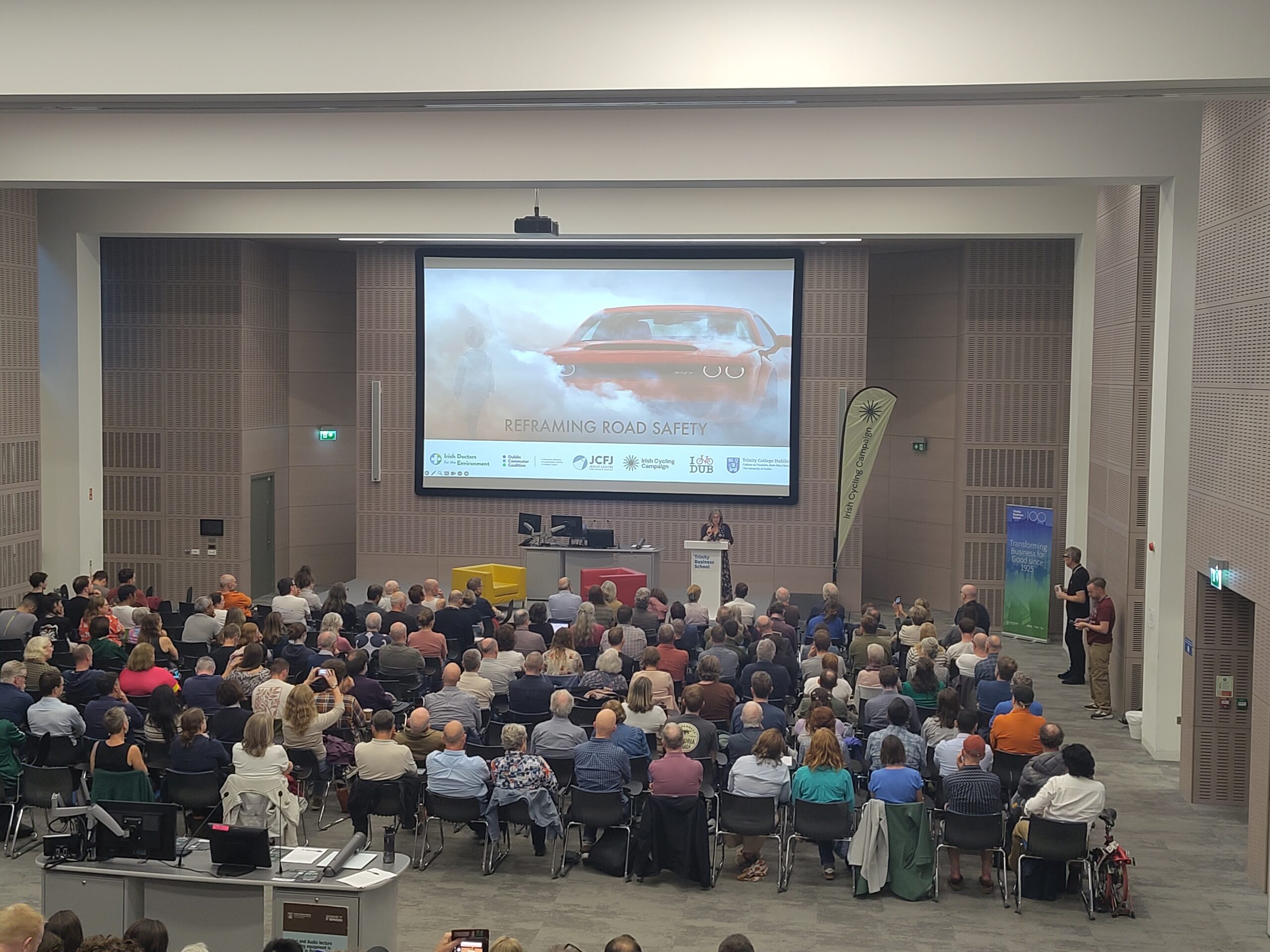
Tom Flood, a world-renowned Canadian cycling advocate and road safety communications expert, arrived in Dublin to a chorus of bicycle bells and an abundance of good will. He was in town to deliver a public lecture “Reframing Road Safety” on the 22nd September, World Car Free Day, to a packed Dargan Theatre in Trinity College Dublin as well as give a key note address at a seminar day on the 23rd entitled “Change the frame: how conversation and narrative facilitates implementation of cycling policy“.
Once you see it you can’t unsee it
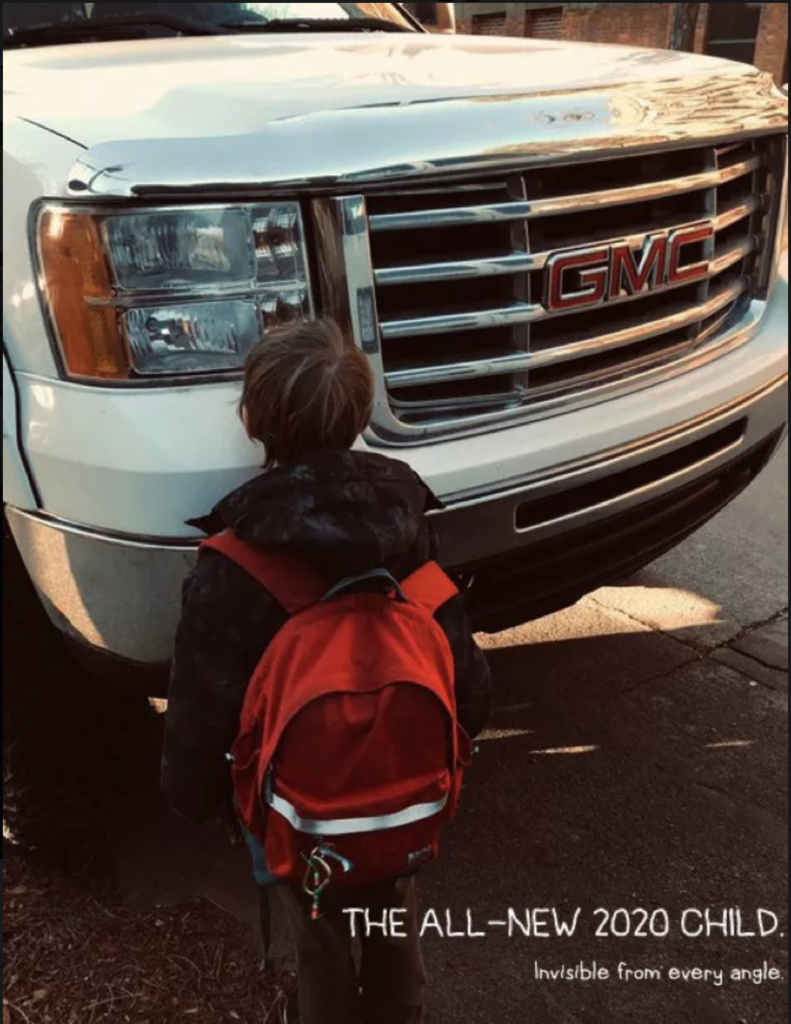
In a car dominated society, cars are everywhere but often invisible. We don’t see how much space they take up or when they invade areas they should be excluded from; or even the inherent danger they embody. Toms work and creativity in this area tackles exactly this problem. This lecture starts with him recounting this own journey into his current line of work. Living in Toronto, he always cycled to get around, simply because it was the best and easiest way to do so. He worked in advertising. He sold cars and trucks. This daily commute saw him sharing the road with large vehicles with no separation or thought to his safety. He didn’t join the dots that the way in which cars and trucks were advertised were making his commute difficult.
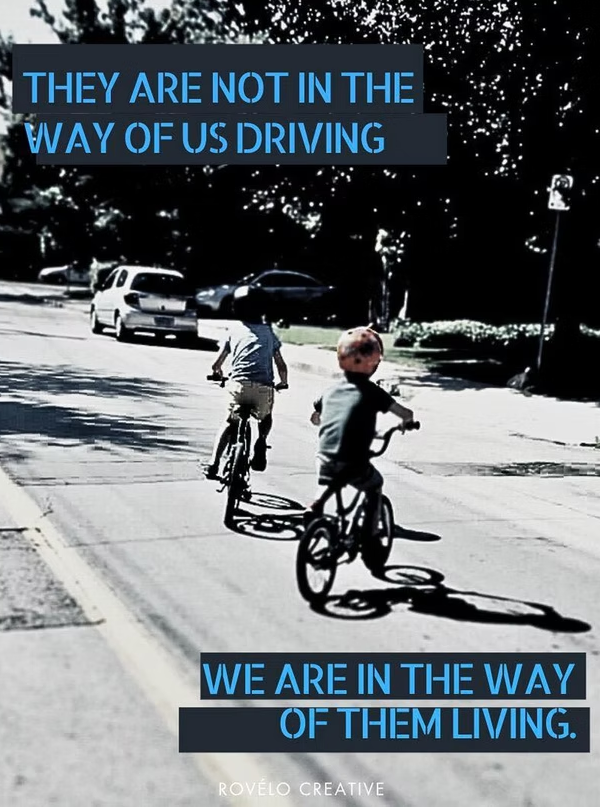
This moment only happened when he brought his kids on his bike. This changed everything. Getting around by bike wasn’t the easy, convenient thing he had experienced before. It was an activity filled with danger. Combining children’s fragile bodies with several tonnes of speeding metal and poor road surface is not a fair or safe. Throw in the unpredictable behavior of kids, with the sometimes dangerous, entitled and unpredictable behavior of drivers, and the situation becomes ‘absurd’. He had his ‘road to damascus’ moment.
His skill at marketing, honed by selling cars was turned towards this new, counter message of road safety, highlighting the imbalance on the roads. Effective messaging and storytelling can recreate this moment of ‘seeing’ for those who don’t get to experience this moment physically.
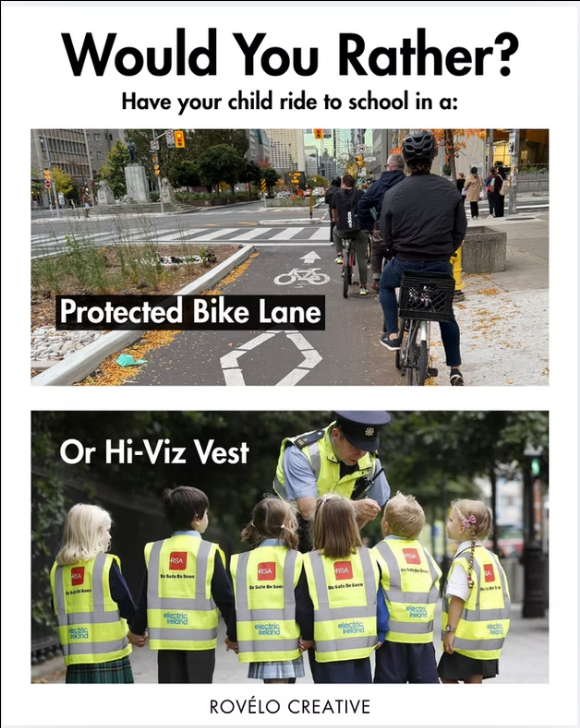
He reframes the responsibility to the person in the car who has control of this dangerous machine rather than on those outside who can only anticipate what they will do, hope they see them and are sometime only protected by a bit of paint on the ground.
It’s not radical – it’s really very normal
His message is clear – wanting kids to be able to walk and cycle is not radical, wanting them to be safe is not radical, and expecting paint to protect them is absurd. Children being able to move independently is not radical – it is time for parents to have a coffee in the morning while the kids make their own way to school. Being independent is not just a good thing for kids but facilitates ‘lazy’ parenting. The inevitability of being a taxi for the guts of two decades is used as a calling card for parents to consider road safety as they might not have before.
Conversely, creating machines[1] and a transport system which renders children invisible is a radical destruction of the freedoms of children, and it is the prevailing acceptance that this is normal that is absurd.
His use of imagery and music powerfully underlines his storytelling. Videos of kids scooting around spaces free of cars is joyful, with the underlying message being that: this should be normal. Sequences of images showing the evolution of a child’s life only for it to be tragically cut short by a person driving a car was the heart-breaking moment in the lecture where I was uncomfortably close to tears – and I know I am not the only one. He expertly contrasts this to the flippant and casual road safety messaging, which government agencies sometimes use, to highlight that road safety should not be trivialised. It is too serious a matter.
The social environmental and the natural environment deteriorate together
In Laudato Si Pope Francis stresses that “The human environment and the natural environment deteriorate together; we cannot adequately combat environmental degradation unless we attend to causes related to human and social degradation.” This rings especially true in our transport system yet the prevailing car dominated system is so entrenched that it is difficult to see it for what it is never mind imagine an alternative. The most obvious consequence of our current transport system is the road deaths. So far this year, 140 people have died on the roads. This figure is tragic enough before we get into the vast number of people with catastrophic injuries, disabling injuries and even trauma caused by road crashes. The societal damage – from the limitation of freedom of movement, the increased dependence on the car as active travel is perceived to be too dangerous, to the imbalance in the use of space – is the less obvious but insidious side effect of how we get around.
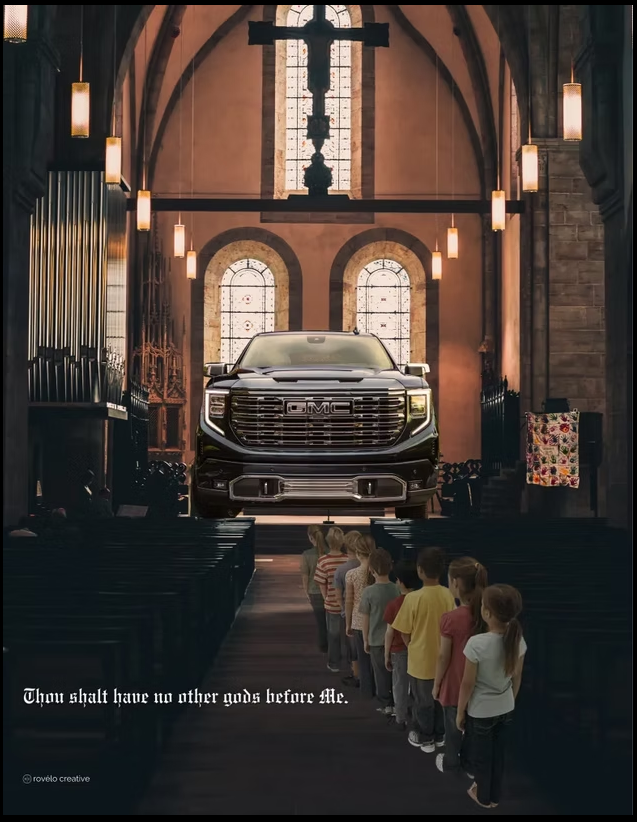
The environmental damage is monumental. The carbon dioxide coming out of the tailpipe of cars on Irish roads contributes nearly 22% of the Irelands overall greenhouse gas emissions, coming second only after agriculture and are proving incredibly difficult to reduce. Air pollution around high traffic areas serious impact the health of people living, walking and cycling in those areas. The amount of space needed to accommodate parked and moving cars pushes out everything else including space for biodiversity and children playing. The cost of assuming a car requires access and parking at the door of houses adds significantly to the cost of construction contributing to the affordability crisis which we are experiencing. All of these things exist in our car dominated society but as a society we are blinkered to it as the car is a ‘necessity’ to daily life.
The invitation for Tom to speak about road safety is a recognition that road safety is a prerequisite for every other social and environmental good which is delivered by a transformed transport system. We cannot expect people to abandon cars if it is the only safe way to get to work, shops, friends house or school. We cannot offer children the freedom of their local space when cars are also offered unfettered freedom. The public lecture highlighted the appetite for change in the country. The original 200-seater capacity venue sold out in a matter of days. The new venue, secured only two weeks before the event, represented more than a doubling of capacity and quickly began to fill. An incredibly hopeful and eclectic mix of cycling campaigners, road safety campaigners, public health advocates and environmental campaigners all came together to be inspired by Tom’s message. He did not disappoint.
The lecture was co-organised by JCFJ, the Irish Cycling Campaign, Dublin Commuter Coalition, Irish Doctors for the environment, I BIKE Dublin and Trinity College Dublin. Hats off to I BIKE Dublin for the special mass cycle through Dublin on the 23rd September with a specially curated play list of Tom’s favorite tunes. If you missed the lecture but would like to hear Tom speak keep an eye on our webpage and socials where we will be posting a podcast interview with Tom soon.
[1] This term is used deliberately as many of the personal vehicles which are on the market are absolutely deliberately in opposition to the safety of those outside the car. Cars designed to jump curbs at high speed, cars with high bumpers and massive blind spots are designed to dominate and control the road which leaves little space for those not in the car.


