

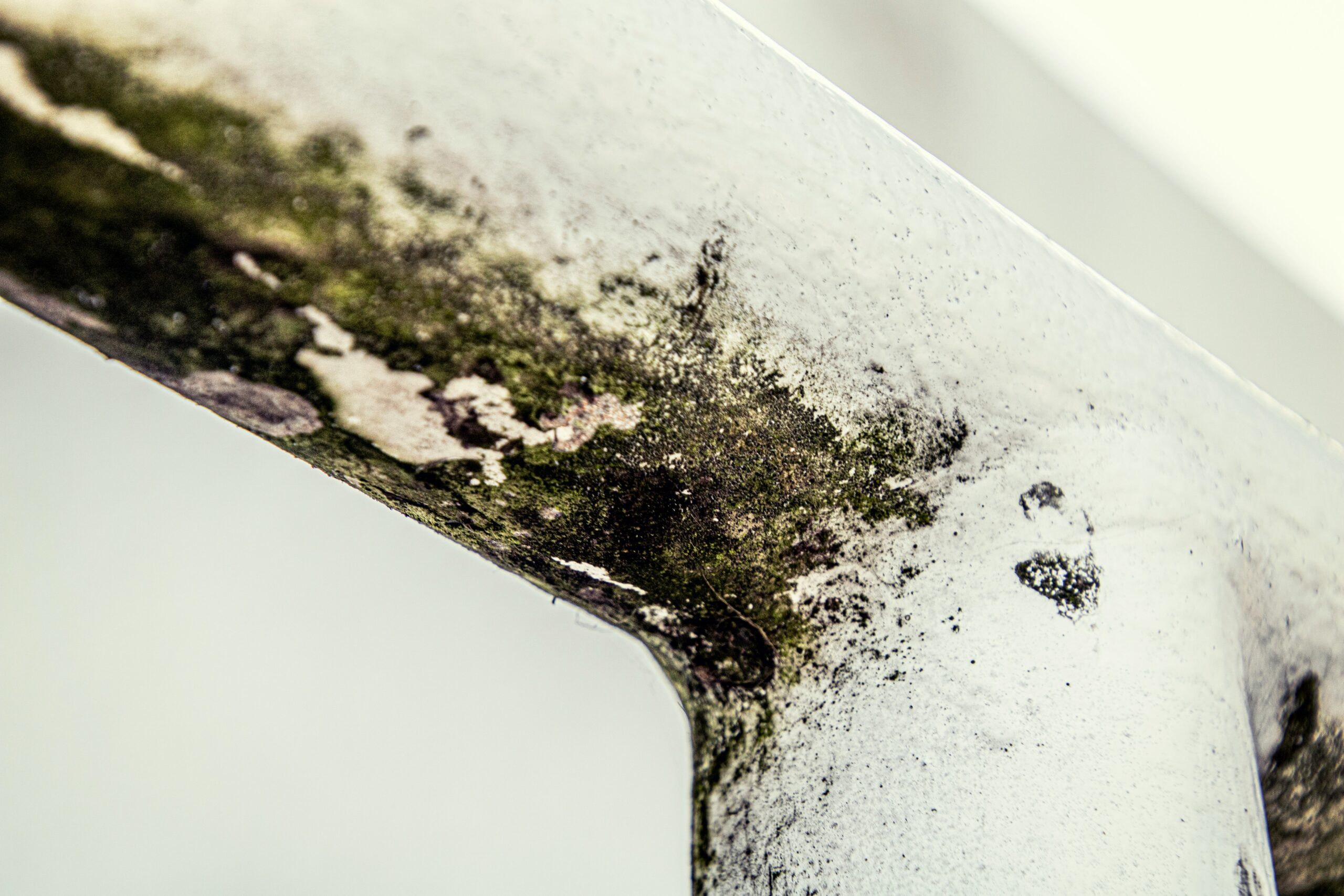
“And the best part, there isn’t any mould!”
That is what I was told the last time I was looking for a room to rent. What is worse, is that was the best part. Like many looking for a room/apartment/house for rent, or even to buy, my eyes automatically scan to the corners of the rooms to spot dampness, black splotches, or even mushrooms growing (yes, I have heard of this happening from multiple different people). While a broke college student, I have lived in mould covered rooms that left me with persistent health issues that probably cost me more in doctor’s appointment and prescription costs than I saved in rent. This is not a unique story, unfortunately.
“There isn’t that much mould in this place…”
“Sweetheart, that shouldn’t be the standard”
“Mum, this is the Dublin rental market. That is the standard”
That is the conversation I had with my mum about 6 years back while scrolling through Daft.ie and Rent.ie. That is also the same conversation I had with her the four separate times I have had to look for a new place to live in the 10 years I have lived in Dublin. It is also the same conversation, although with me stepping into the mom role now, that I have with my friends when they are looking for a new place to live because their landlord has indicated their “intentions to sell” (wink wink, more like evict and increase the rent). Once again, this is not a unique story.
Mould thrives in Ireland as it needs a certain level of dampness that Irish homes can provide very well. Ventilation is a massive contributor to this, which is essential in our wet climate, and yet severely lacking in many buildings. While it is easy to just say “crack a window open”, it isn’t that simple. First, winter is cold. To leave your window open for an extended period of time would suck all the warmth out, and anyone who pays for gas or electricity knows that it isn’t cheap to heat a whole home. Second, that negates the very real problem of a structural failure to account for dampness and ventilation. Studies have shown that structural defects are more likely to cause mould than how someone lives within the home.
While there are ways we can try and combat moisture on a day-to-day level, like running a dehumidifier or using those moisture collecting bags, we should be looking at better building solutions. Using timber in construction is not only cheaper to use to build and more environmentally friendly, it also naturally acts as a moisture regulator. Scotland, who have a similar climate to us, have been using timber for years without issue. The Scandis have been using wood frames for years, and they are regarded as having some of the best homes and are also able to keep up with housing demand production, in part thanks to their building system and using timber.
We shouldn’t be settling for our homes to be constructed poorly or to rent a room with evident dampness. While we cannot control the humidity outside, we can mitigate how it enters our homes. We also have to learn that “not that much mould” is not an acceptable way to live and it is within our legal rights to demand a safe environment from our landlords and our developers.


