
Root of the Problem
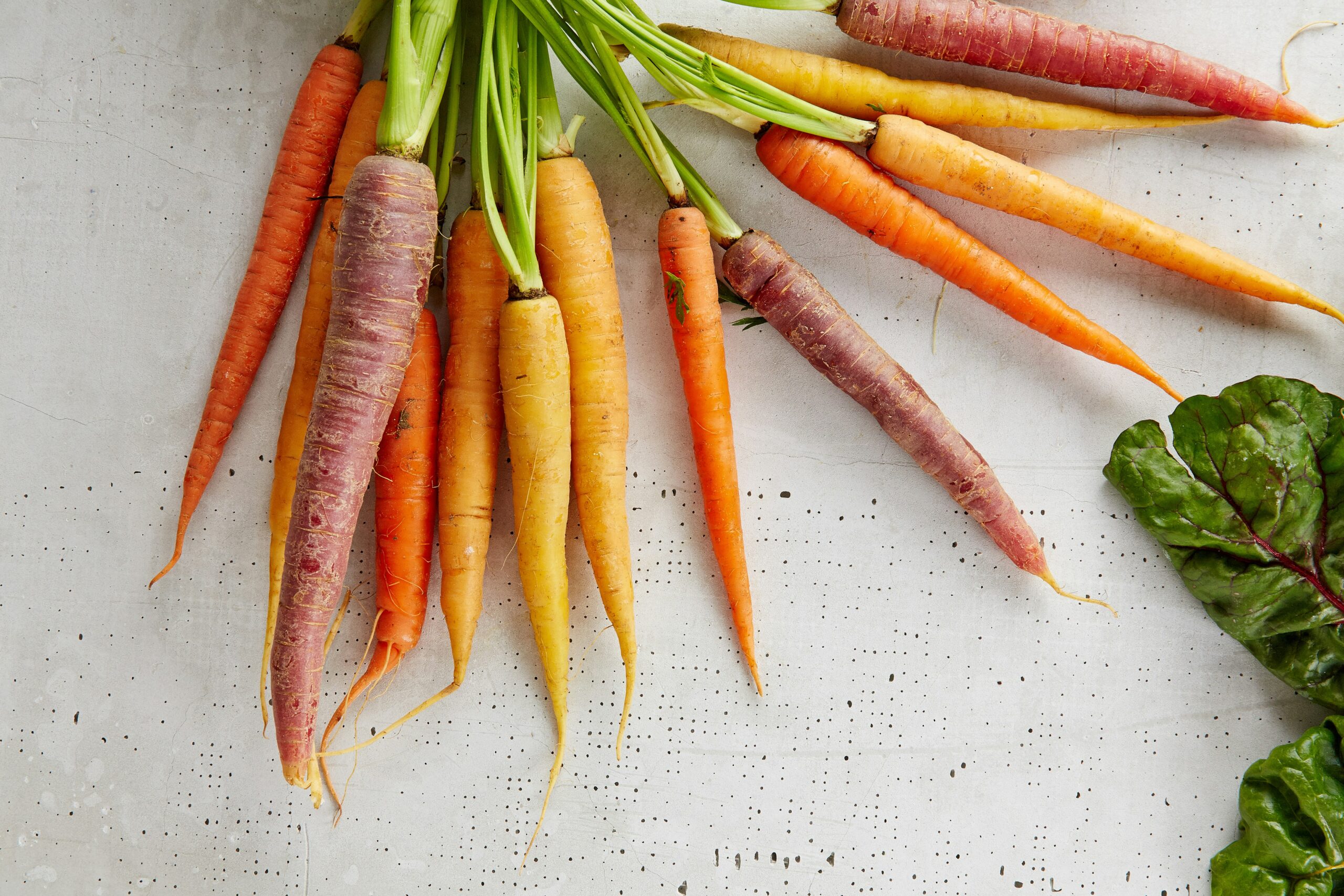
Earlier this month, one of Ireland’s major carrot producers, Hughes Farming, went into administration. The company’s 45 employees are now facing unemployment, which is simply devastating for them, for their families, and for the local community in Kilkenny. The news, while shocking, did not come as a surprise to those who follow horticultural affairs. Speaking to The Journal, carrot farmer John Dockrell, highlighted that for many years the price of carrots has been consistently decreasing in real terms:
“About 20 years ago the price was €1.30 or €1.50 and here today carrots are €1.29, so the price has dropped effectively.”
If carrot prices were keeping up with inflation, they would be around €1.90. At the time of writing, you could buy carrots on the Dunnes Stores website for €1.06 per kg. Tesco’s lowest price was €1.10 per kg. Lidl also recently advertised bunch carrots, which normally command a much higher price, at just €1.29 per kg. These prices are indicative of how the supermarket chains operating in Ireland are continuously racing to the bottom. Hughes Farming is one more casualty in this race.
As we know, the only financially viable way to produce food with tiny profit margins is to produce it in massive quantities. So by driving vegetable prices down, supermarkets at giving growers a stark choice: go big or go bust.
And if the smaller players go bust, this is ‘good news’ for supermarkets insofar as it clears the way for the few remaining big players to get even bigger and further dominate the sector.
More problems
Unfortunately, vegetable growers have more problems than miserly supermarkets and customers.
The relentless rain over the last number of months was another factor in the collapse of Hughes Farming. As predicted, wet winters/springs; and unforgiving dry summers are becoming more frequent. These poor growing conditions will drive more farmers to the wall if something doesn’t give.
To compound these economic and ecological matters, there is the added pressure war. The violence in the Gulf has already triggered a surge in oil prices. If the conflict continues, higher food prices will follow. Up to a third of the world’s key fertiliser ingredients is shipped through the Strait of Hormuz. So disruption to that shipping route will lead to a spike in costs.
These stacked problems explain how the number of domestic fruit and vegetable producers in Ireland has been consistently shrinking for the last few decades. Today, there are just 74 commercial vegetable growers left in Ireland — minus Hugest Farming makes that 73. That is down from around 600 in the late 1990s. It turns out that the choice to go big or go bust was actually an ominous fate: go big and then go bust.
Losing food security and sovereignty
The less domestic growers we have, the more we rely on global food systems. We currently export 90% of our food production (mostly meat and dairy) and we import 85% of our own diet. The advantage of this arrangement is convenience and cheap food. The downside is vulnerability. When we live in an economically, politically, and ecologically fragile world, to be so heavily reliant on long food supply chains is puts us in a very vulnerable position. One well-known author has compared the fragility of our food system to the fragility of the globalised financial system prior to 2008 crash. May that traumatic episode remind us that big food is not too big to fail.
Where is David?
The more I live, the more I believe that the answer to our problems is usually already present in some shape or size. When those problems are gigantic, it is easy to be transfixed by the presence of Goliath. But if we look around we will also see David.
Thankfully there is a small but burgeoning movement in Ireland which is working towards a more resilient, socially and ecologically sustainable food system. Small growers are increasingly taking to social media to point out the aggressive pricing by supermarkets and the toll this is taking on the few remaining producers. New community-supported agriculture programmes are connecting farmers directly with their customers, who are happy to pay a fair price for quality produce. Such solidarity is the life blood of a sustainable food system.
As for civil society, Talamh Beo is a member-led organisation of farmers and citizens who advocate for agroecology and food sovereignty. They stand for a system “which puts the power back into the hands of farmers, communities and citizens instead of corporate interests and industrial agriculture and food production.”
War tends to focus national policies on the most efficient use of resources. During WWI and WWII, the Irish government introduced compulsory tillage schemes in a bid to avoid food shortages. War is here again, so we must choose the most efficient way of feeding ourselves. If we don’t back the many Davids, who are small and nimble, we will fall with the few Goliaths who are large and cumbersome. Let us support our small vegetable growers while we still can.


